Skyler Wood
Trinity Times Correspondent
When Trinity Washington University freshman Patricia Thomas attended the student-sponsored “Voices Across All Borders” event last April, she expected an intellectual discussion – but instead found a campus community where she finally felt she belonged.
Thomas was among 15 students who gathered in Trinity’s O’Connor Auditorium on April 1 to share personal experiences about stress, identity and finding safe spaces, turning a campus event into a conversation about trust, vulnerability and support.
The Butterfly Network and Psychology Club co-sponsored “Voices Across All Borders,” setting the scene with tables decorated with colorful items, snacks and a station for photo headshots.
The Butterfly Network is a student-led organization that supports documented and undocumented students, while the Psychology Club creates a space for students to share knowledge and explore their interest in psychology in ways that support academic and professional growth.
“I’m excited to see how the event goes since it’s my first one,” Thomas told Trinity Times as the program got underway. “I’m also excited to meet new people and possibly become part of the program.”
Fun was not the only thing on the agenda, however. The event also focused on mental health, safe spaces and building meaningful connections.
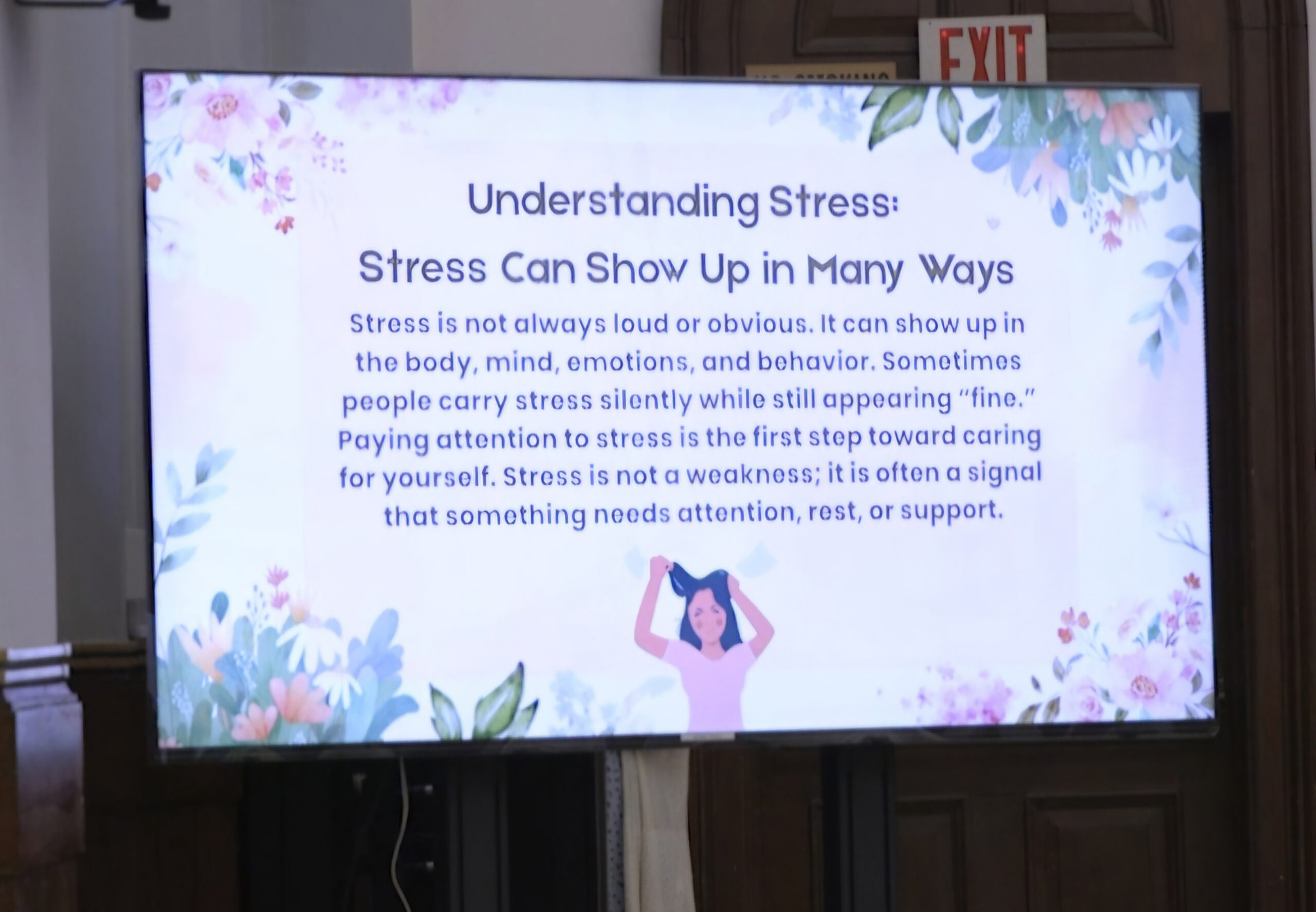
A PowerPoint presentation was displayed at the front of the room, featuring information on self-advocacy and stress management.
Student leaders Belky Alvarado, president of the Butterfly Network, and Saron Gebereegziabhier, president of the Psychology Club, encouraged attendees to discuss the challenges they face and how they cope with stress. The goal was to provide students with information about mental health, tips for self-care and guidance on recognizing safe and supportive environments.
“These events create a space for everybody to come together,” Gebereegziabhier said. “Students are able to build connections and friendships they wouldn’t normally make.”
Student leaders also discussed the importance of being careful about whom they trust as advocates.
The late labor and civil rights leader Cesar Chavez was a point of discussion after recent allegations involving sexual and physical abuse resurfaced. Organizers used his example to show that people or groups who claim to support others may not always have good intentions.
“I decided to attend because it seemed like a really peaceful event, and I want to get more involved in school,” Thomas said. “Since it’s the end of the school year, I’m trying to go to as many events as possible so that when I come back in the fall, people already know me.”
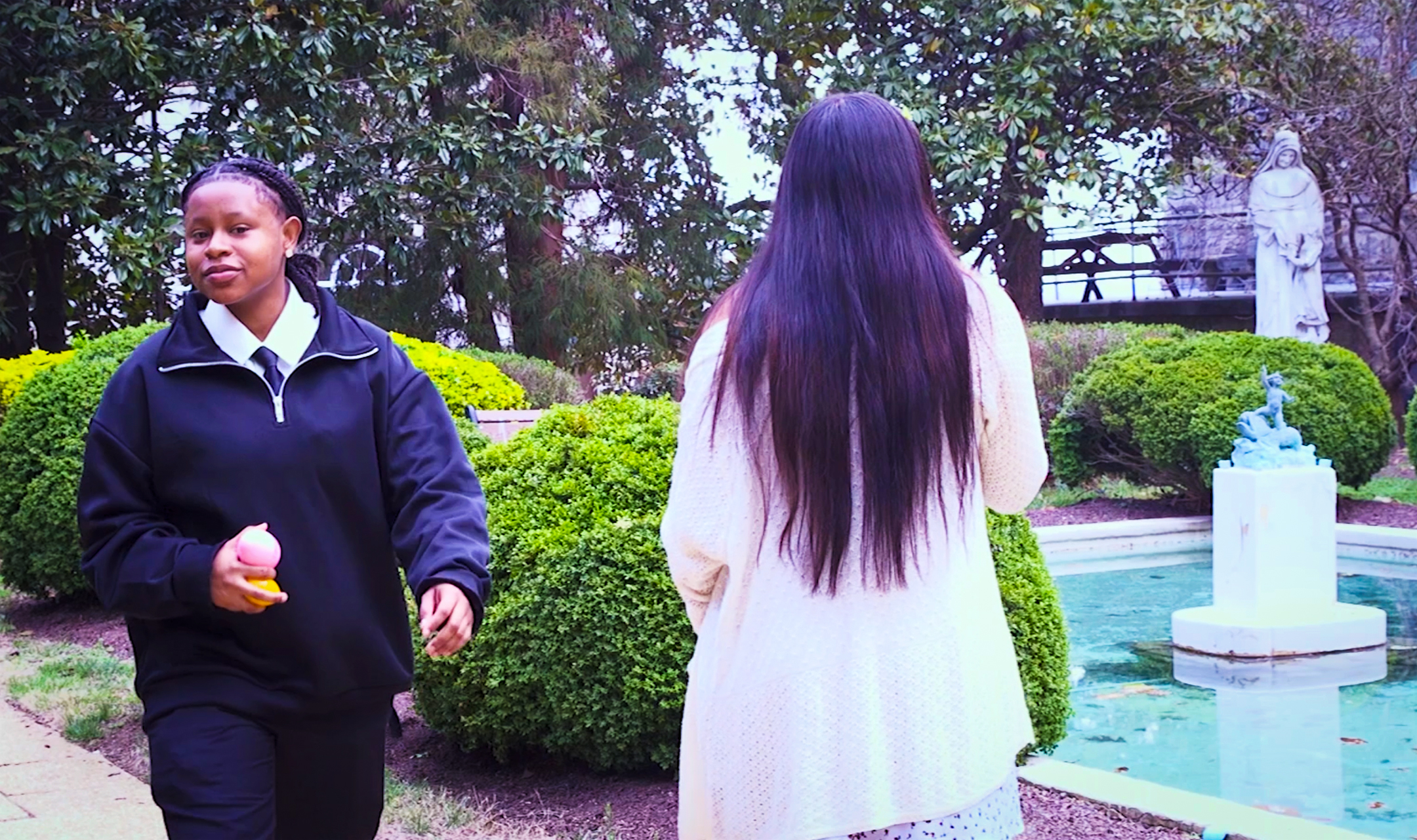
Later, after discussions about the pressures of life and school, participants went outside for an Easter egg hunt, searching for colorful candy-filled eggs and a special golden egg that offered a prize at the end of the event.
The ethnic diversity of Trinity’s student body was on full display, Thomas observed, adding, “I love that this is a small campus with so many different cultures.”
Her experience reflected a broader sentiment among attendees, many of whom came to connect with others and learn how to better support their mental health.