By Nayeli Martinez
Trinity Times Correspondent
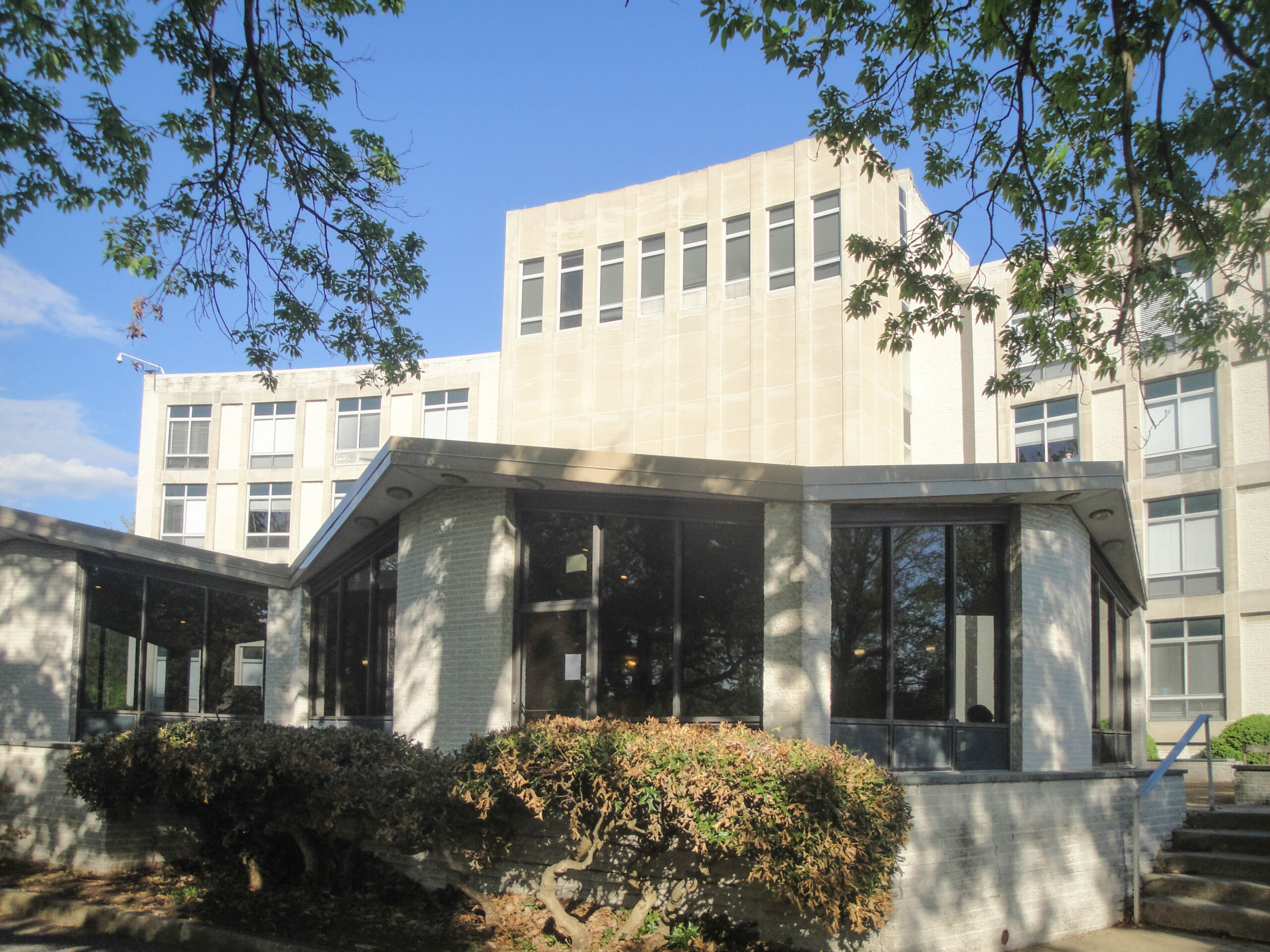
Dorm life didn’t live up to its hype, at least that was the impression for Trinity Washington University student Cinthya Calderon-Hernandez, a senior majoring in global affairs who’s living in the dorms.
Questions about the upkeep and age of the buildings, some amenities not working, it being so hot you could barely function, were some things that she wasn’t expecting.
“I had expectations because nobody in my family had really gone to college,” Calderon-Hernandez said. “So I only knew what was shown to me through movies and books. So I was coming with this really picturesque, kind of idea of what it was like.”
Students on Trinity’s campus have learned to navigate their new found independence while living in the dorms. They are dealing with feelings of homesickness, making their way with new cultures, and making new memories with the community on campus.
Independence is a good thing about dorm living, but there are some accommodations that students wish would change.
“In the communal kitchen area, the stove doesn’t work,” Calderon-Hernandez said. “If I were able to crack up some fried eggs in the morning, it would probably change my life drastically.”
“In terms of the kitchen [not working], that’s why we require residents to have a meal plan so that we know that students have access to food,” said Maereg Gebretekle, who is a housing coordinator in residence at the university.
Trinity is a place full of history, with halls walked by many generations, but dorm living can show the downsides of living at a historic place.
Shy-Anne Thomas, a junior majoring in criminal justice, had a few things to say about living conditions. “The heating does work, but it does end up drying me out,” she said. “Since it’s gas, I’ll have to open a window once I turn it on.”
“I speak about these things but in no way do I want to be ungrateful for the fact that I’m getting an essentially affordable education,” Calderon-Hernandez said. “I feel like I do have a reason to complain about it because it is my living situation. It’s just rough.”
Gebretekle also gave insight on how the campus housing staff works in upkeep with the dorm buildings.
“We are always trying to improve facilities and certain conditions in the buildings, but those do take time and money,” Gebretekle said. “I’m not saying that as an excuse, but we’re always trying to keep everything updated, clean and serviced.”
Gebretekle lives on campus herself, currently residing in Kirby Hall. She keeps students’ complaints in mind and works with the housing staff on how to improve accommodations.
While living on campus can give students the first taste of living on their own, homesickness always has a way of creeping in after some time.
Fernanda Avendano-Gomez, a senior majoring in business administration, can attest to that.
“I do miss home a lot and I’m surrounded by nature back home, no shade to the city,” Avendano-Gomez said. “I love the city, but I do miss a good tree.”
Even with the nature surrounding campus itself, students who are used to living in rural areas have to adjust to seeing that nature fizzle out once venturing outside of Trinity’s campus.
Calderon-Hernandez can relate to the feeling of missing home.
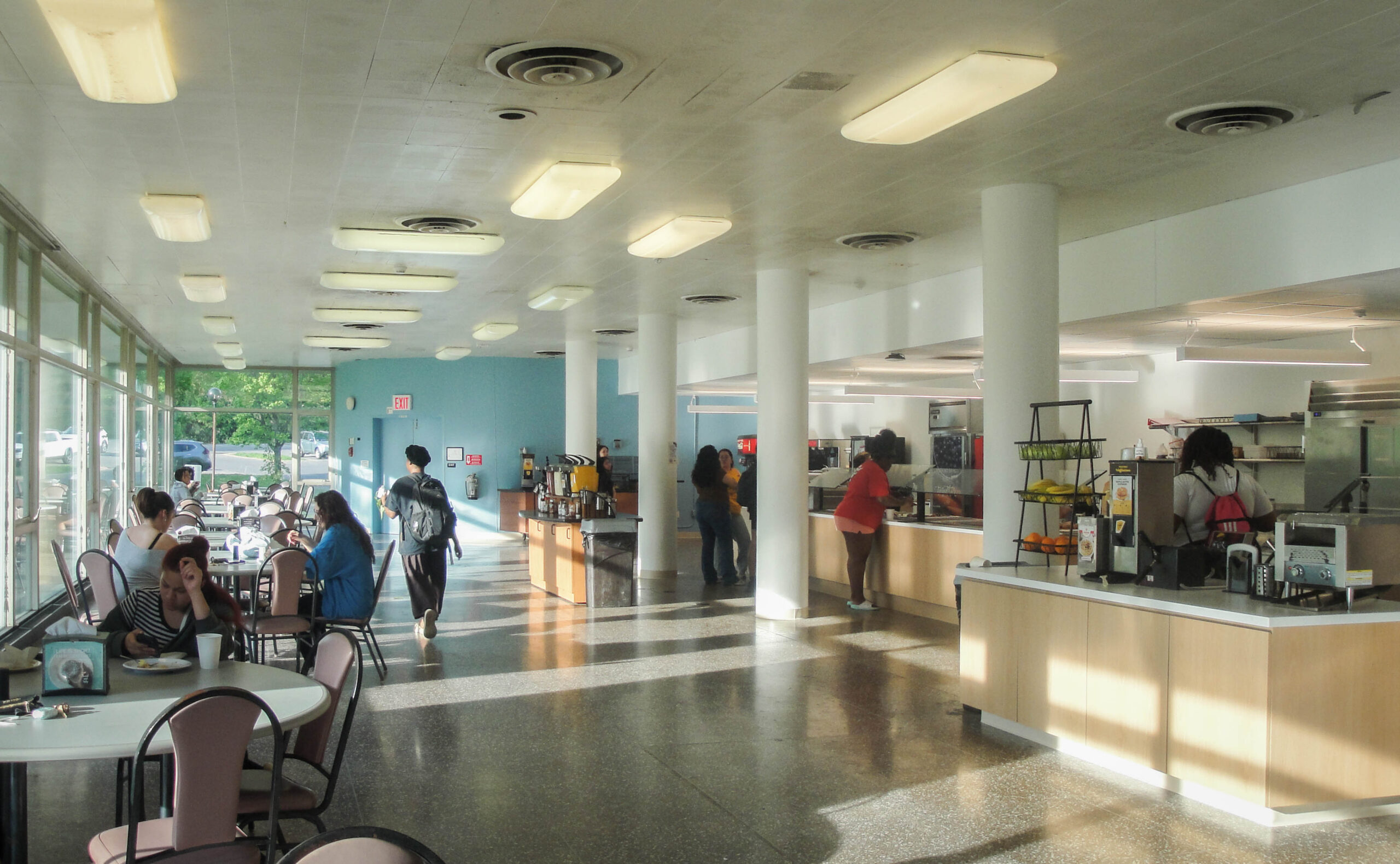
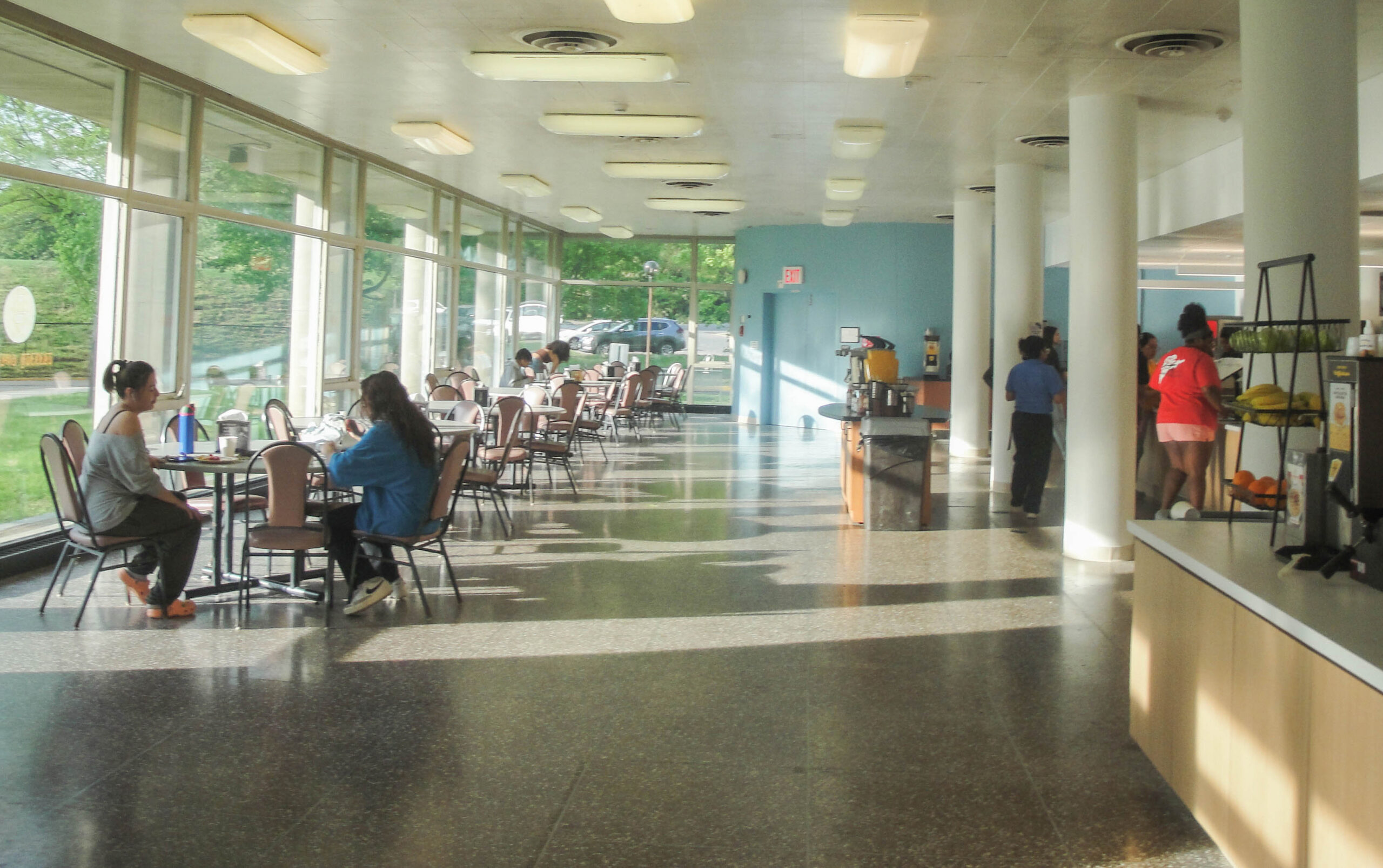
“I like being independent and being with my own presence, but I miss my mom’s cooking so bad,” Calderon-Hernandez said. “I think it impacts a lot, especially the way that I work because I need energy to work. I can’t live off of the salad bar and the fine cuisine here.”
Despite missing home, Avendano-Gomez is happy with campus life.
“I grew up with sisters, and that’s the good thing about here,” she said. “I’m surrounded kind of by makeshift sisters.”
Rewa Burnham, associate professor of English at Trinity, echoed the sense of sisterhood at Trinity. “I graduated from Trinity in 2005, and I still see all my friends from Trinity.”
Burnham was a student residential assistant at Trinity and shared memories from dorm living and campus culture.
“We used to do what’s called ‘a Well Sing,'” Burnham remembered. “All the color classes would come to main and would stand at their designated floor, from freshman at the top to seniors at the bottom, and we would sing Christmas carols.”
Each graduating class year is given a color name by Trinity. The very first graduating class was the Red Class of 1904. The other colors are the Green Class, Blue Class and Gold Class.
Friendship is an important aspect of dorm life.
“If it wasn’t for the friends I made within the dorms, I’d probably lose my mind,” Thomas told Trinity Times.
Calderon-Hernandez related to that sentiment with her own experiences while living on campus. “I really like when we coordinate and have movie nights in Alumni or Kirby.”
Avendano-Gomez also recalled a time where she had a night excursion with some friends.
“We just played Monopoly and ate food,” she said. “That was it. We were just playing Monopoly for hours at night in the middle of the field.”
On the Trinity Times podcast Enlightened Exchanges, where both Calderon-Hernandez and Avendano-Gomez appeared, there was discussion about having an even stronger Trinity community.
“We talk about how there’s a lack of participation and lack of people showing up to things,” Calderon-Hernandez said.
“It’s because we don’t talk to each other but I feel like we have so much potential. It would be nice to see new faces at events,” Avendano-Gomez said. “It would be nice to have a Trinity homecoming.”
There isn’t an official curfew on the campus, but it doesn’t feel that way, Calderon-Hernandez said.
“Visitation hours are from 10 a.m. to 10 p.m,” she said, “In a way, it does feel like a curfew and bedtime.”
Avenado-Gomez added, “We have quiet hours before finals. It usually happens around exam season.”
Calderon-Hernandez said she would rather have people over and not be isolated during exam season.
Even with challenges, dorm life is beneficial, Burnham told Trinity Times.
“There is something really valuable about the experience, even down to the room sharing,” Burnham said.
Thomas agreed.
“I recommend dorm living for incoming freshmen because you get to have that independence and are able to grow within this environment,” she said. “It gets you acclimated to living by yourself, decorating how you want to, and maybe that’s something you’ll take with you when you first get your apartment.”
It seems that a lot has changed at Trinity since I graduated in 1997, a member of the Blue class. Kirby wasn’t open then. I lived in Alumnae and the dining hall was on the first floor. We had really good food and the accommodations were adequate as there were adjoining rooms and a shower/bath in the middle. As the RD, I slept on one side and had an ‘office’ on the other. Alumnae housed primarily upper-class women who were quite independent. The rooms had old antique dressers and lamps that would cost a pretty penny if purchased today. We’re talking real heavy wood carved with features modern furniture would never display. The closets were small but there was storage on the 3rd floor. The building was air-conditioned in summer but over-heated in winter. You were either hot or cold,,, no in-between. Alumnae stood behind Main and housed the Health Center, computers, large lounging areas and an elevator. I enjoyed living in that building. I know it’s been renovated, so I’m not sure how it looks today but it was a memorable experience.