
By Maria Santana
Trinity Times Correspondent
At least two separate surveys showed nearly one in four undocumented students in California avoid medical care because they fear judgment or immigration consequences. At Trinity Washington University, where many students come from immigrant households, that fear is not theoretical – it is personal.
As debates over federal immigration policy continue, one issue that often gets overlooked is healthcare access. The U.S. healthcare system largely excludes undocumented individuals from public programs like the federal-state healthcare insurance program Medicaid, raising questions about prevention, affordability and how mixed-status families navigate care. For some students at Trinity, these concerns shape daily decisions about when, where and whether to seek medical attention.
“With this new administration, my fear is that if I go to the ER, am I going to end up getting deported back to my country even though I was trying to receive help,” said Flor Morales, a senior business administration major and data analytics minor. Flor Morales is a pseudonym used by Trinity Times to protect the student from potential identification by immigration authorities.
For many students like Morales, healthcare becomes a last resort rather than a routine part of maintaining well-being.
“I never go to the doctor unless I’m really sick,” she said. “I feel like in Hispanic culture, that’s very common. Since we don’t have access to healthcare, we just wait until we’re at our last straw to go to the ER.”
Morales recalled delaying treatment once when her family did not have health insurance, which resulted in a serious diagnosis that required surgery.
“It was a difficult time navigating that,” she said.
Freshman Ashley Rays, a prenursing major, told Trinity Times about a similar pattern within her family. Ashley Rays is also a pseudonym used to protect the student and her family from potential identification by immigration authorities.
“My dad has asthma, and in the past, he would just ignore his health issues because he didn’t have the insurance necessary,” she said.
Angela Anderson, the director of health services at Trinity’s Health and Wellness Center and the campus nurse practitioner, said delayed care often leads to larger health concerns.
“Limited access usually means no access,” Anderson said. “As a clinician, I work from a perspective of prevention, not maintenance.”
Anderson explained that preventive care allows providers to monitor conditions before they become severe. When care is delayed, patients often rely on urgent care centers or emergency rooms, where there is no established medical history or continuity of care. This can increase the likelihood of misdiagnosis or unmanaged chronic illness.
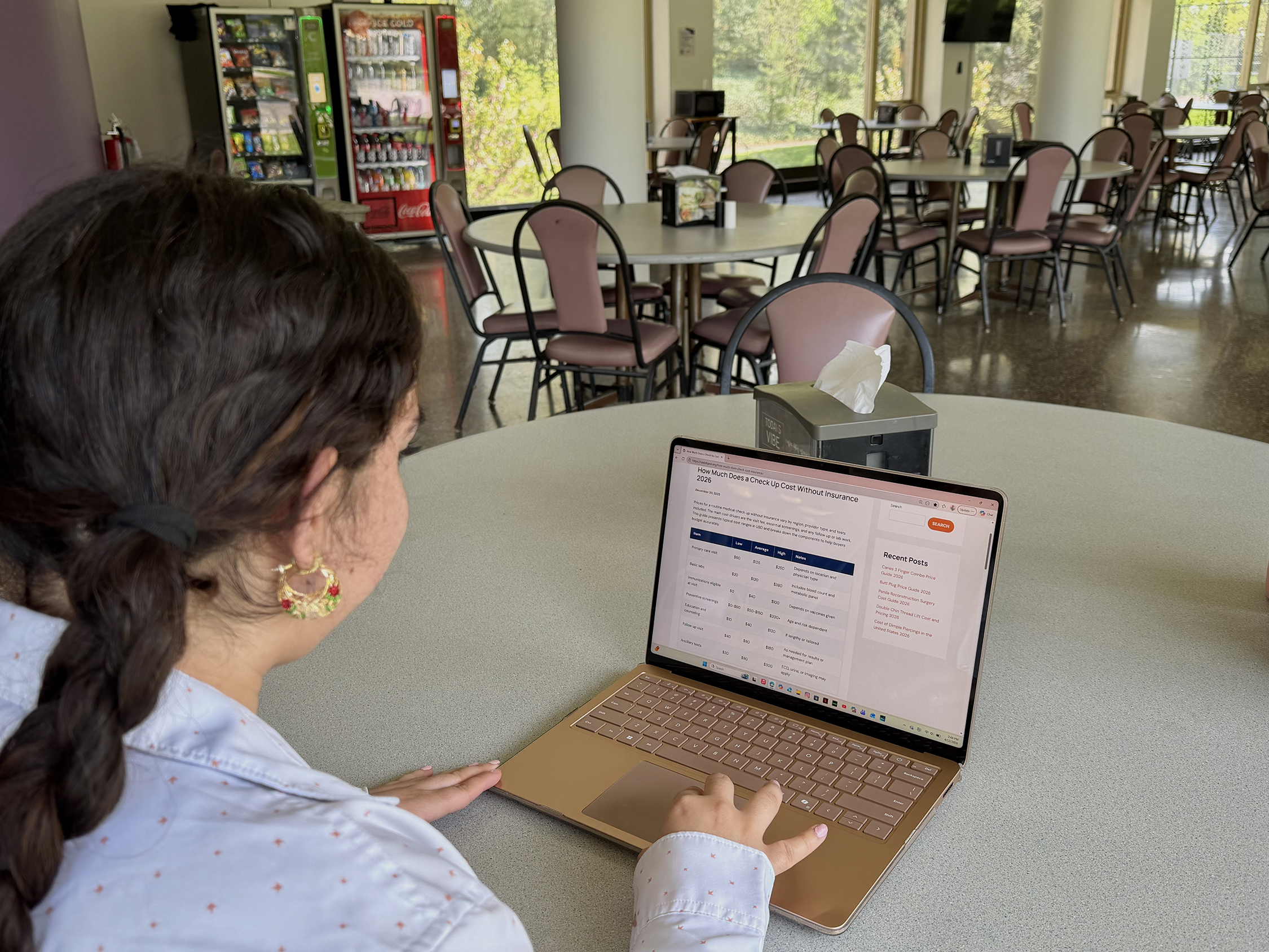
Rays said the limited healthcare access challenges also impacts the U.S.-born children in immigrant households.
“Since elementary school, I’ve been translating for my parents – making appointments, going to the doctor, even for my own appointments,” she said.
Language barriers can complicate medical visits and discourage families from seeking routine care. Rays said it is emotionally difficult to watch parents avoid appointments because of communication barriers.
Anderson noted that anxiety surrounding immigration enforcement has affected student behavior on campus in other ways.
“Some students prefer to pick up their medication here instead of going to a CVS because of fear and anxiety about what’s happening,” she said.
While hospitals are required to treat emergency medical conditions regardless of immigration status, preventive and routine care are not guaranteed.
In “Barrier to Care,” published by the Los Angeles Times’ High School Insider, journalist Luke Kim reported that other countries, such as Spain, provide nationwide healthcare without immigration restrictions and report stronger overall public health outcomes.
According to the National Immigration Law Center, undocumented immigrants paid $96.7 billion in federal, state and local taxes in 2022 despite being excluded from federal health insurance programs.
“There’s this misunderstanding that undocumented individuals don’t pay taxes, but in reality, we do – we just don’t receive any of the benefits,” Morales said.
Anderson framed the issue as one of basic dignity.
“If someone has to choose between health and wealth – that should never be a choice,” she said.
Thank you for sharing this. As a nurse, humanizing the healthcare challenges immigrants face is needed. Many immigrants experience significant barriers to accessing healthcare, including language differences, financial limitations, lack of insurance, and fear of deportation. For some individuals, the fear of drawing attention to their immigration status may outweigh concerns about their own health, leading them to delay preventive care, ignore symptoms, or avoid seeking treatment altogether. This can result in worsening health conditions and increased healthcare disparities.
Nurses are in a unique position to build trust, provide compassionate care, and advocate for equitable access to healthcare services. By approaching each patient with cultural humility, respect, and an understanding of the social factors that influence health decisions, nurses can help create a safe environment where individuals feel valued and supported. Regardless of immigration status, every person deserves dignity, compassion, and access to quality healthcare.