By Anette Perez
Trinity Times Correspondent
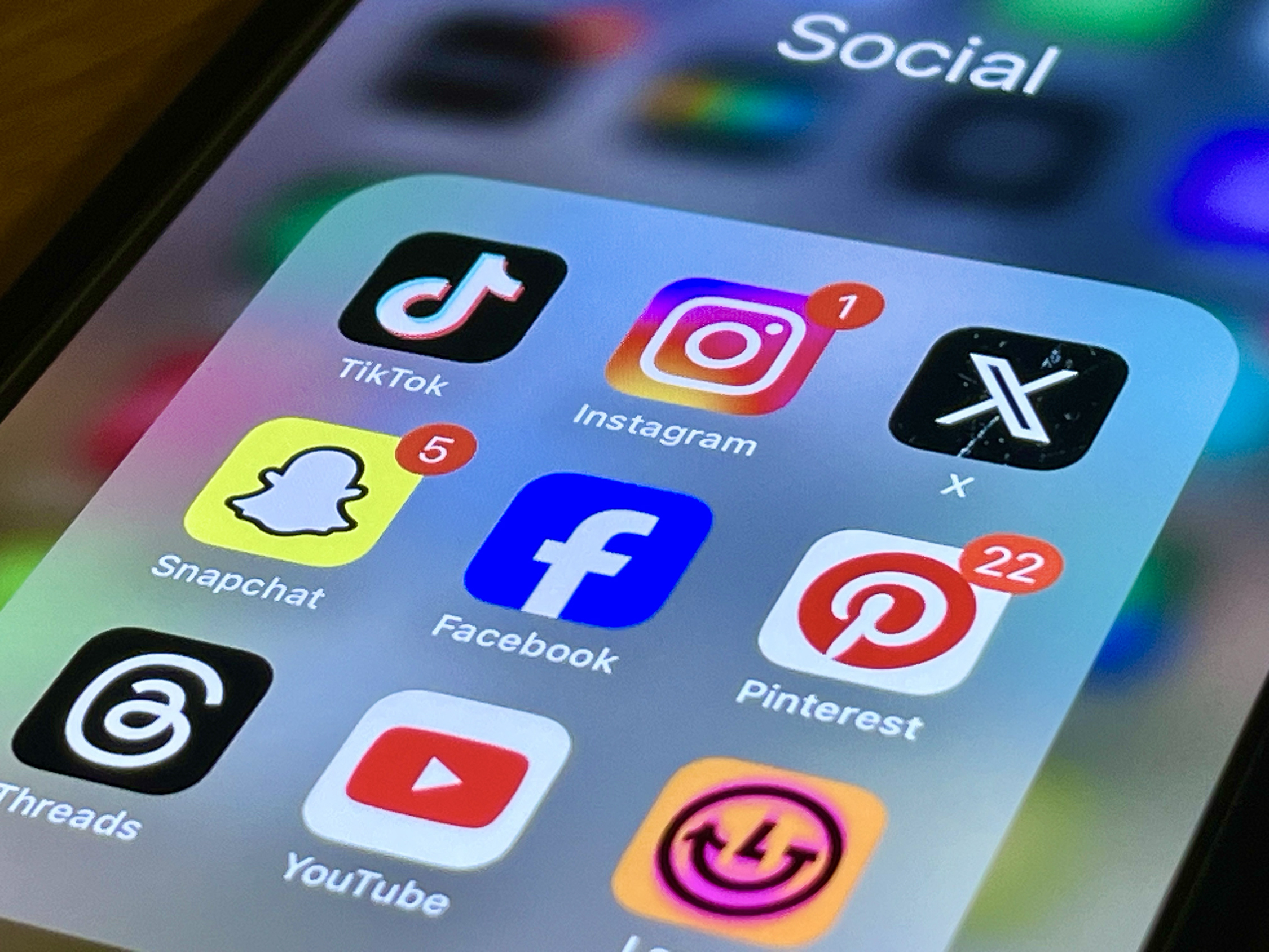
In today’s rapidly evolving digital world, most college students divide their time between reading, writing and scrolling. Platforms such as TikTok, Instagram, X (formerly Twitter), and YouTube have increased media exposure over the past decade.
Social media offers students instant connection with friends and family, access to information, and an outlet for self-expression — and Trinity Washington University students are no exception.
While social media can positively contribute to campus life, it also presents challenges for students in high-pressure academic environments. Numerous studies have linked social media use to mental health concerns, including depression, dependency and diminished academic performance.
“It can make me feel happy at some moments, especially when coming across funny videos or videos similar to that,” said Ericka Gnan, a sophomore who was the vice president of Trinity’s Red Class during the last academic year. “But after a while, I tended to feel sad about how much time I was wasting.”
Gnan said she has since adopted a minimalist approach to social media.
Although social media offers connection and real-time awareness of global events, it can also impact students’ moods. Seeing a friend’s birthday party one didn’t attend or viewing violent news events on a phone screen can dampen mental well-being and productivity.
Gnan likened social media to a dopamine rush and said the oversaturation led to mental fatigue.
Distraction is a common concern among students, Trinity counselor Anne Cosimano said.
“I think people talk about getting distracted a lot,” Cosimano said, “which gets in the way of them doing some of the work they need to do and following through with commitments.”
The overconsumption of social media can sneak up on students. With highly personalized algorithms like TikTok’s, users often don’t realize how much time they’ve spent scrolling until they close the app. As a result, time management suffers, and academic responsibilities can pile up.
Over time, this frequent use can lead to dependency. Students may turn to social media as a stress reliever, but when it becomes routine, it creates a habit that’s hard to break. The platform becomes a form of escapism, reinforcing avoidance behaviors.
Behind every trend and filtered selfie, insecurity can also grow — particularly for women, who make up most of Trinity’s student population. Users often compare themselves to the seemingly perfect images and milestones shared online.
“Watching someone complete a dance trend can lead to body comparisons, and seeing a post about someone graduating early can lead to life comparisons,” Gnan said. To counteract that, she embraced the idea that “the grass isn’t always greener on the other side.”
Despite these pressures, Trinity remains committed to student wellness. The university offers individual counseling services and de-stress programming, including “Mental Health 101 – First Tuesdays,” a monthly drop-in session hosted by the university’s Health and Wellness Center.
There is a correlation between social media use and depression among teenagers and young adults, according to the 2025 study “Does Social Media Use Cause Depression?” by the Child Mind Institute.
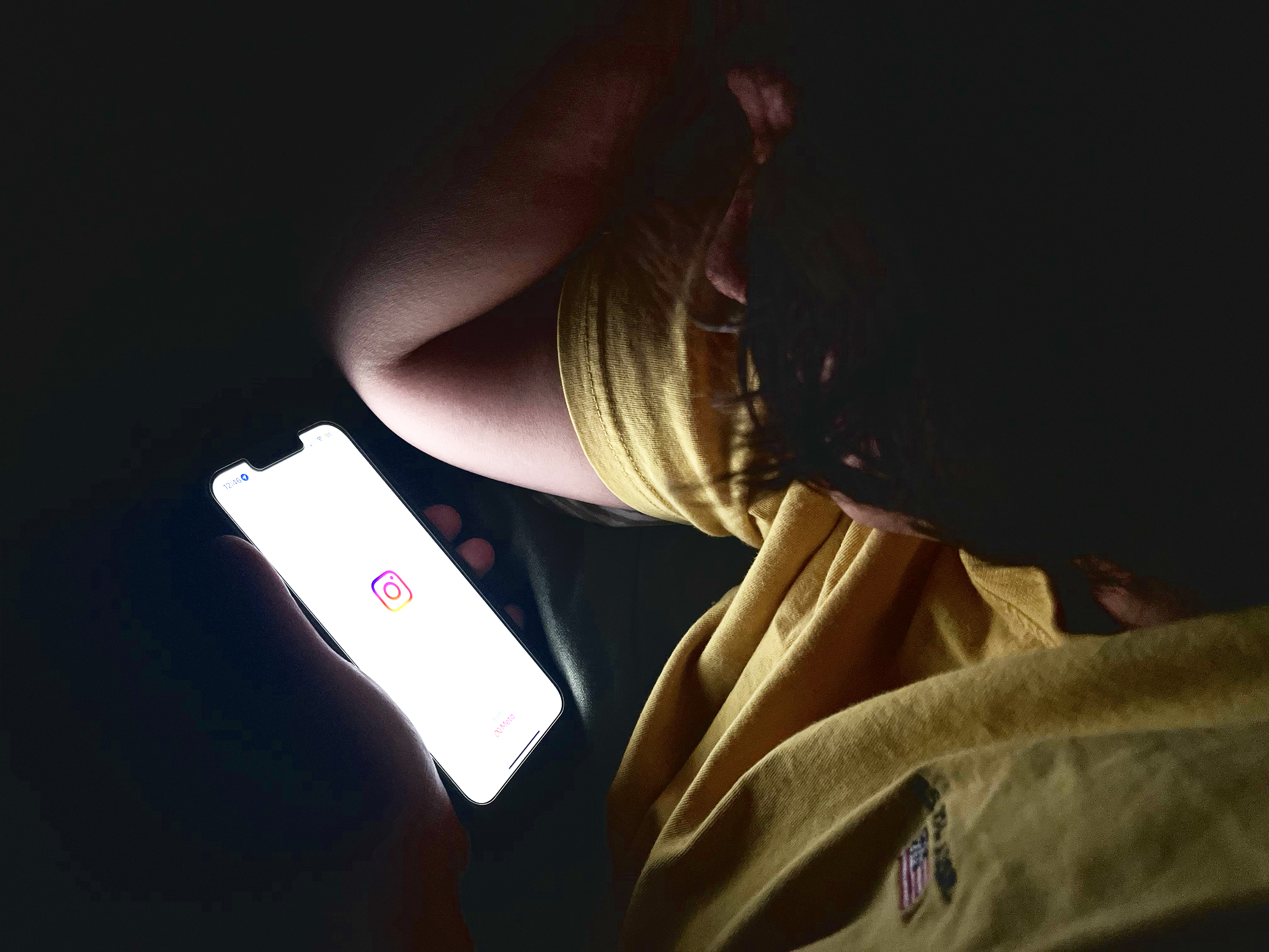
The study shows individuals who spend more time on platforms like Instagram and Facebook report higher rates of depression. Some reasons cited include less fulfilling online connections, increased feelings of isolation, negative impacts on self-esteem, reduced time for healthy activities, sleep deprivation, and fear of missing out (FOMO).
MaryJo Kolze, a psychology professor at Trinity, explains FOMO as “the discomfort you feel when your values and actions don’t match,” adding that social media intensifies FOMO by constantly showcasing others’ happy moments.
“There can be positive and negative effects,” Cosimano said. “I think sometimes it helps people stay connected to other people and connect you to things that you can’t always do.”
Though students should remain cautious of the downsides, social media also offers professional networking opportunities, academic support, and community-building. With mindful use, the benefits can outweigh the harms.
To maintain a healthy relationship with social media, experts suggest that students can set time limits and prioritize tasks that support their long-term goals.
“I started setting time limits on the apps I use and started prioritizing tasks that would benefit me in the long run,” Gnan said. “I learned to replace the usage with other tasks that can be rewarding and make me happy, such as reading, writing stories and getting creative.”
Reframing how students approach social media can also ease its emotional impact.
“I feel like a lot of people base their self-worth and seek validation from factors outside of themselves,” Gnan said. “But it’s all about the mindset. I believe social media can be a facade in a way where people mainly show you what they want you to see.”
Cosimano encouraged students to treat social media like a reward rather than a reflex.
“I recommend a ‘carrot on a stick’ mentality,” she said. “Discipline yourself to work first, then relax — rather than thinking, ‘I’ll do it later, let me check TikTok first.'”
Students at Trinity and across the country are unlikely to stop scrolling, liking or posting anytime soon. But with mindful habits and boundaries, they can create a healthier digital lifestyle, Cosimano said.
“There’s a lot of information out there, and it can be a very useful tool,” she said. “Just set some boundaries around it — that’s all.”
—
Trinity student journalists Italy Escobar and Maryi Orellana contributed to this story.