By Abigail Ofous
Trinity Times Correspondent
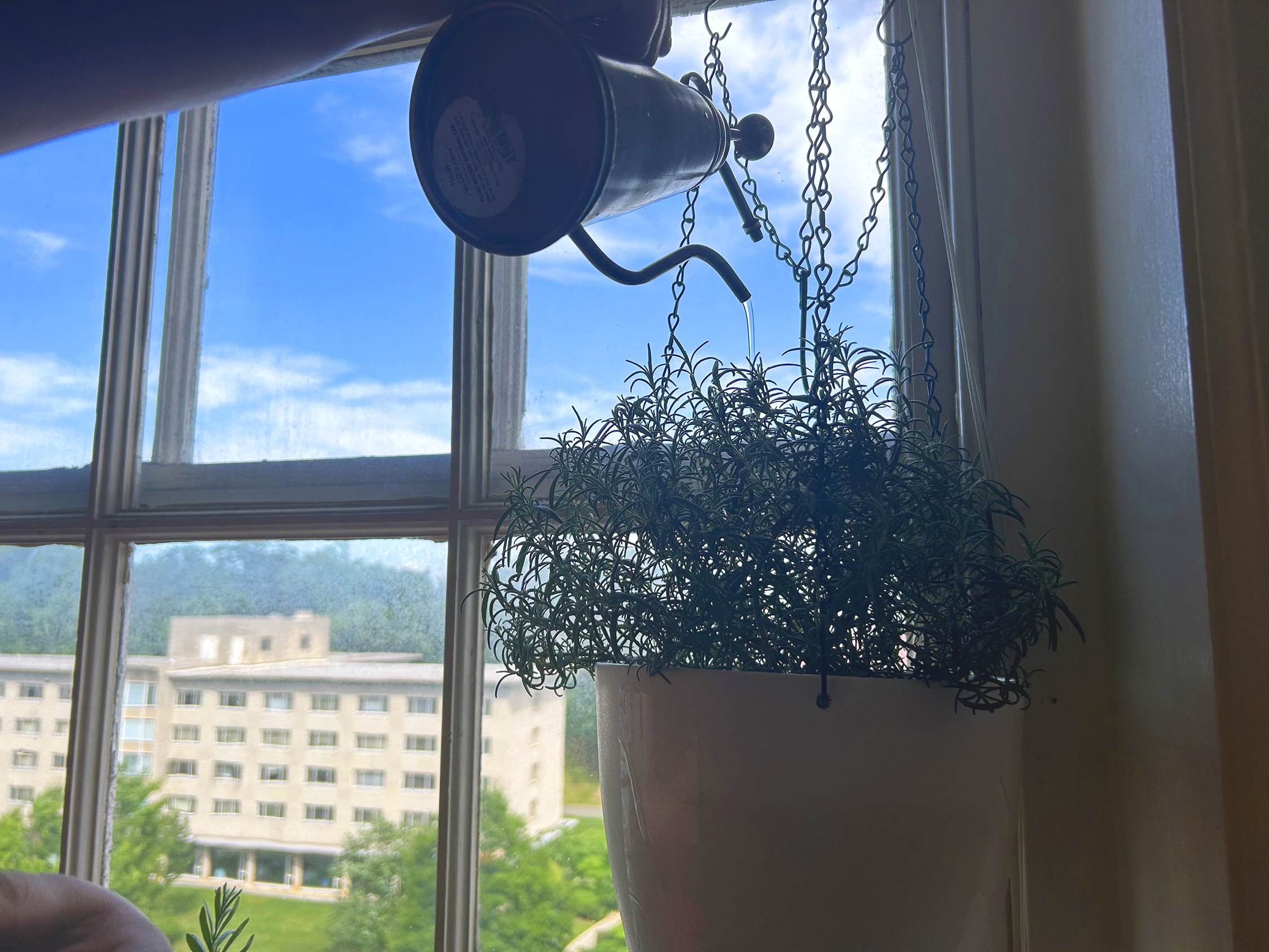
When Trinity Washington University student Sandra Baca became particularly anxious about her pathophysiology and pharmacology classes, she turned to an unlikely source of comfort – her indoor plants.
“The workload in nursing is a lot, which is very challenging for me,” Baca said. “I felt overwhelmed.”
The prospect of constant exams concerned her most, all while doing clinicals, and began questioning her major, especially after scoring beneath her expectations on a recent test.
At the height of Baca’s anxiety, she took a step back and began to care for her indoor plants. It gave her the mental space to alleviate her overwhelming sense of doubt.
As the country learned during the COVID-19 pandemic, nursing is not an easy burden to bear, mentally or physically. As a nursing student, Baca has dealt with her share of ups and downs.
Adverse mental health has surprising and sometimes devastating effects on a person’s day to day life.
For example, the Center for Disease Control found that in 2021 suicide “was among the top nine leading causes of death for people ages 10-64.”
The National Institute of Mental Health reports that 57.8 million people (or one in five adults) live with some degree of mental illness.
Baca manages her anxiety in a unique way.
“Having plants is comforting,” she said, “especially throughout stressful times.”
According to the National Library of Medicine, indoor plants have been shown to reduce stress levels. They also improve people’s comfort, satisfaction, and happiness.
Several studies collected by The Conversation, a nonprofit independent news organization, suggest that even being in a room with plants brings diverse emotional benefits such as “pride, social connection, satisfaction, fascination, mental resilience in times of stress, and may even help you heal from past trauma.”
Researchers at Texas A&M University found that living near green spaces can encourage positive behavior, lower the intensity of depression and even improve your memory – all hugely beneficial to any student.
Indoor plants also help with concentration, memory recall, greater pain tolerance and lower levels of physiological stress. The research concluded that people reacted positively to “lush, green plants with rounded and denser foliage.”
Baca began her journey with indoor plants during the summer of 2023. She started off by purchasing a single basil plant.
“It looked nice,” Baca said. “And it smelled good.”
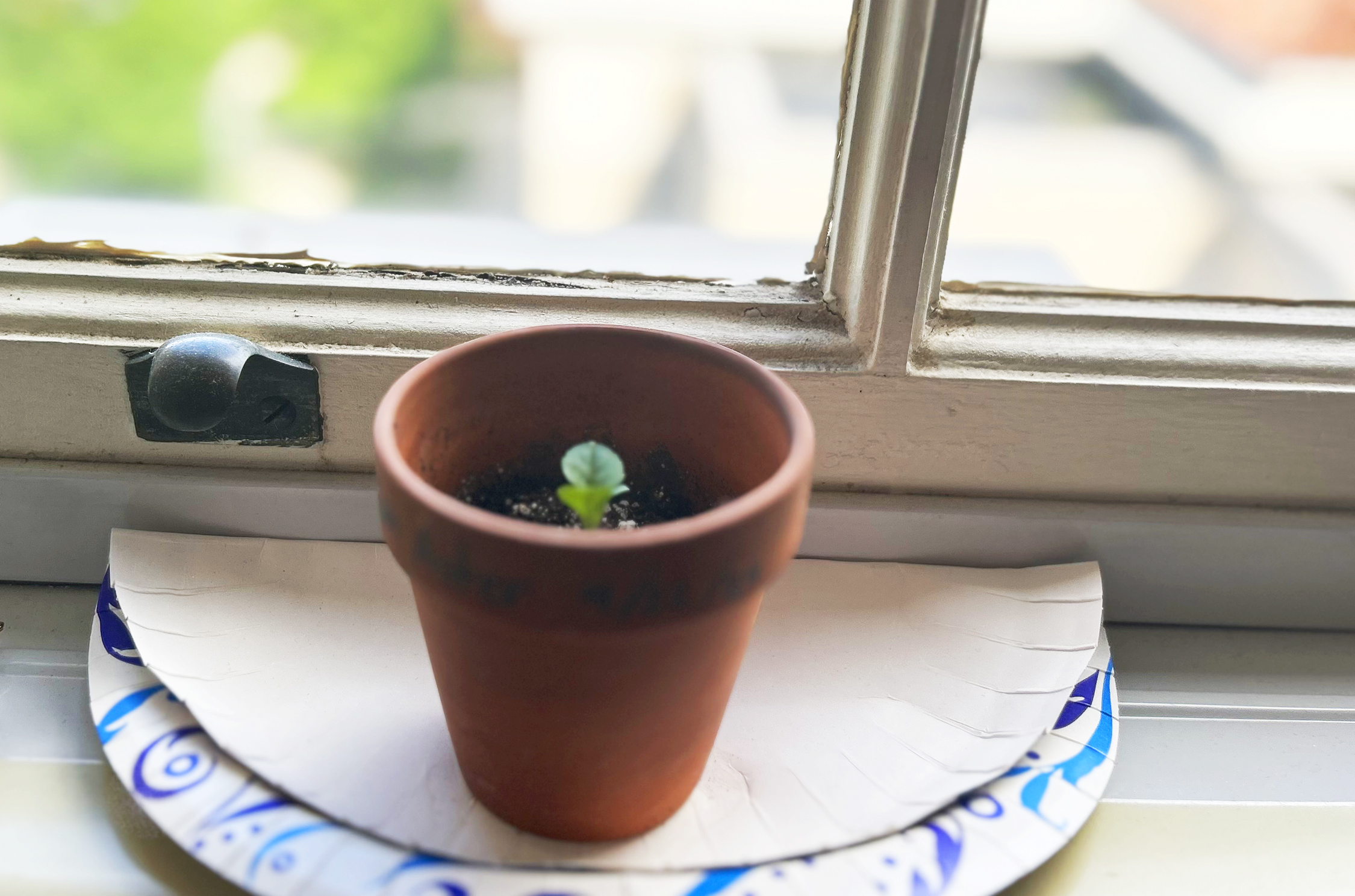
Baca believes plants have helped her in many ways beyond the aesthetic pleasantness of their presence. “My plants have helped me to get into a soothing and consoling atmosphere and be surrounded by a good environment.”
Because Baca spends so much of her time studying, she also believes the presence of her plants helps with reducing stress and anxiety and helps her manage her mood generally.
“I’ve been able to make good connections and network with other students,” she added, which has led to a love of gardening and the growth of a foliage-focused community.
Baca isn’t alone on Trinity’s campus in noticing mental health benefits from the proximity to calming flora.
“Having indoor plants creates a way to de-stress,” said Trinity junior Christy Ramos, a psychology major who has struggled academically in the past.
Ramos relied on her indoor plants as an escape from the wider world of concrete walls, whiteboards and flickering screens. “Caring for my plants is time consuming but it slows me down to move my attention toward my plants when I’m overthinking and overstimulated.”
Her indoor plants create a safe space, granting a sense of calmness and relaxation and providing a personal commitment to care for the living organisms.
It’s important to create safe spaces to care for one’s mental health, said Deneen Robin, director of Trinity’s Clinical Training for the Counseling Graduate Program.
Robin has made it a primary goal in her life to create safe spaces.
Growing up in a Caribbean family and Black household, she stressed that “mental health, emotions and feelings were not talked about enough in the home.”
Stigma is one of the biggest factors for the absence of talks like these, especially in the households of people of color, Robin told Trinity Times.
Studies by the U.S. Department of Health and Human Services report that while African Americans are 20% more likely to report feeling psychological distress, only a third seek treatment.
Statistics like these underpin Robin’s advocacy for mental health awareness – a mission helped along by intentional acts of care, including for plants.
“People feel a sense of positivity and relaxation when they see plants,” she said. “Being around nature and beautiful things helps people reduce stress. Caring for plants creates a sensation of happiness and fulfillment.”
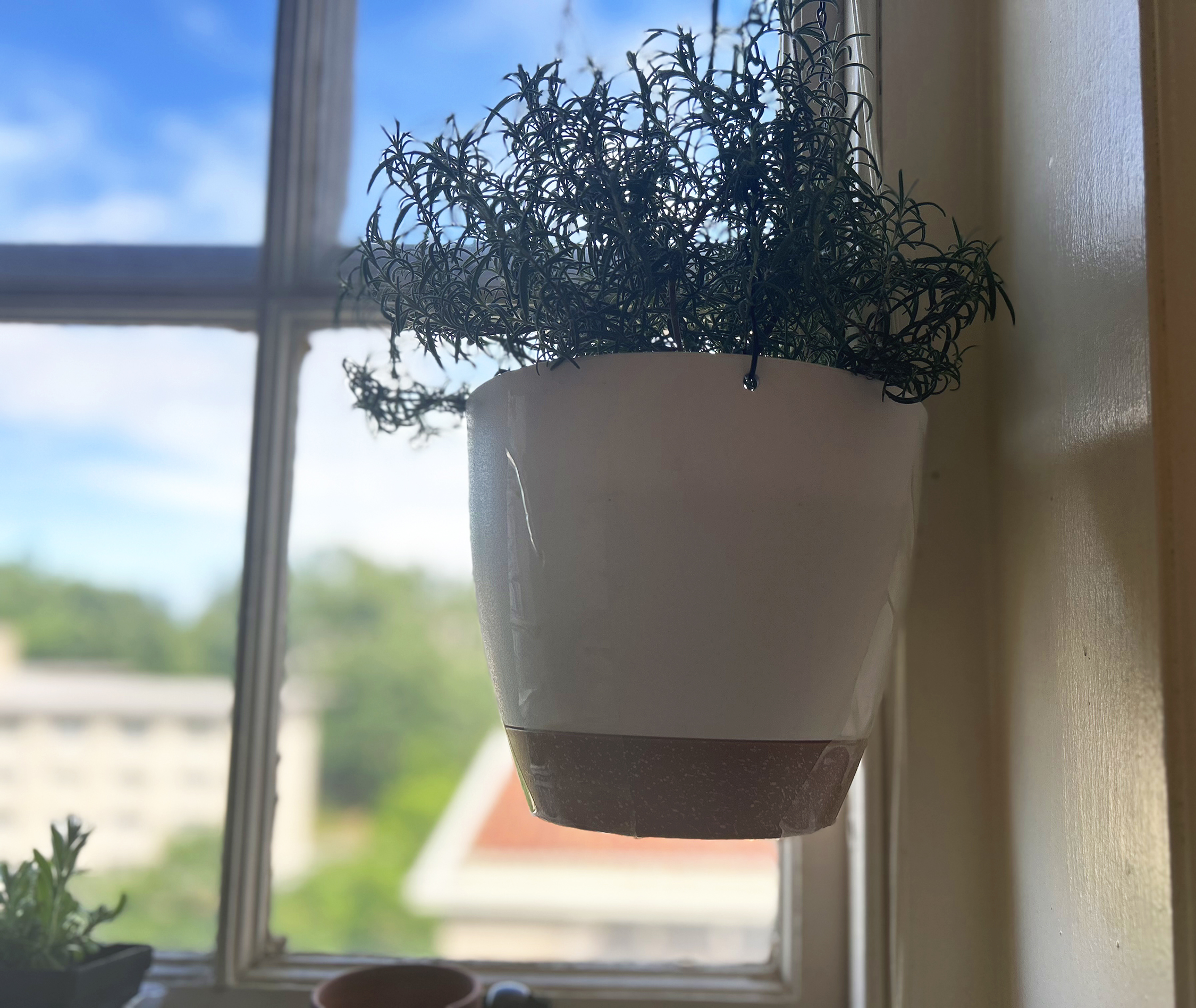
Robin advises Trinity students to buy a small indoor plant at home, or for their dorm room. It’s a low risk, high reward approach to boosting a person’s health.
She is quick to point out, though, that students who are actively struggling with mental health issues should seek out trusted medical professionals, noting that counselors at Trinity’s Health & Wellness Center are an excellent place to start.
Keeping plants improves air quality and peaceful aesthetics, Baca pointed out. “Students who are living here at Trinity should definitely take advantage of getting an indoor plant.”
I loved this article! I was going to let my BIG lily plant die, but now I am encouraged to keep caring for it!
Thanks!