By Magalis Iraheta Cruz
Trinity Times Correspondent
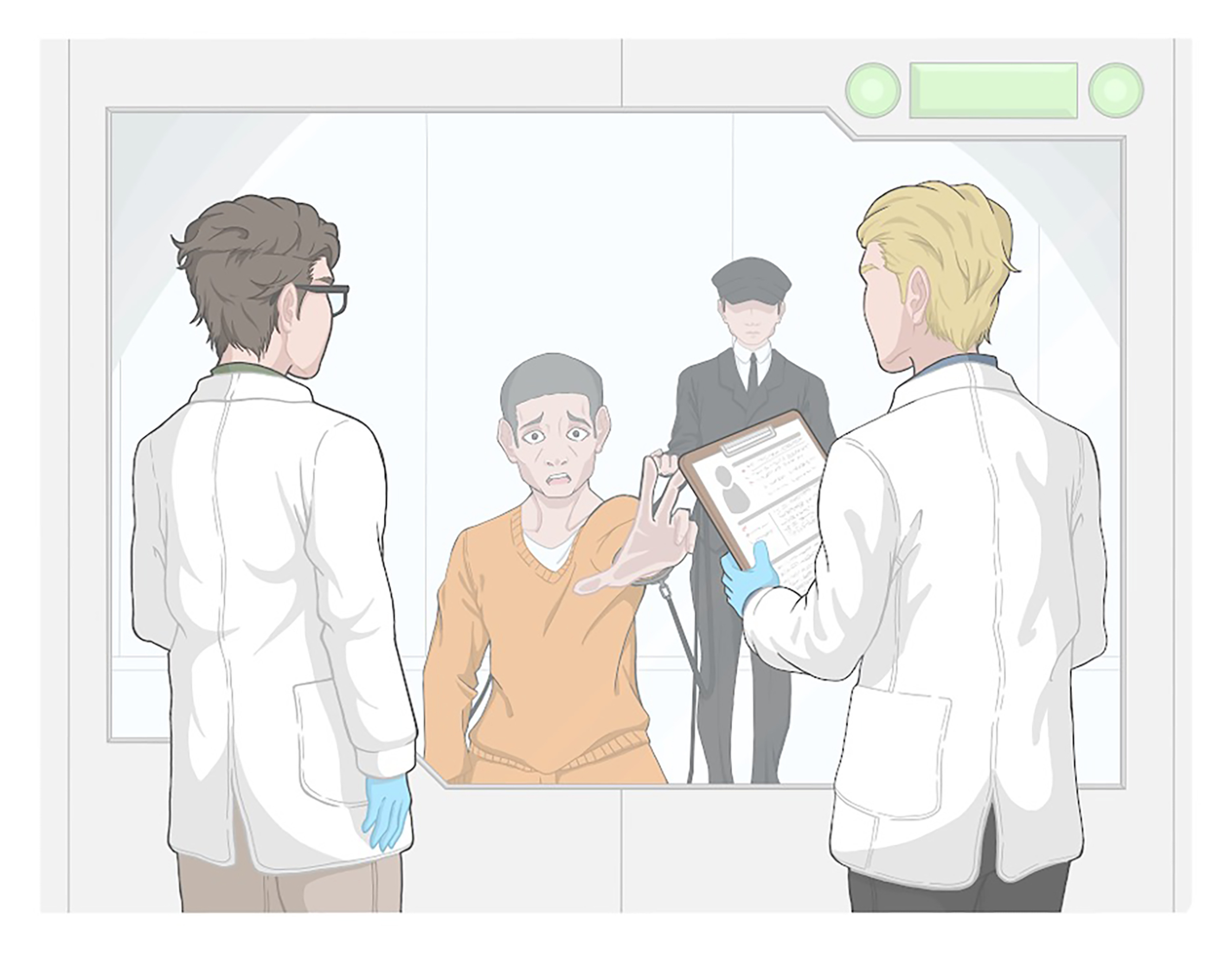
The high percentage of mentally ill inmates in U.S. prisons has long been blamed for longer sentences, repeat offenses and unsafe conditions for everyone in the correctional facilities and officials at Trinity Washington University believe the system needs an infusion of psychiatric care.
A 2008 study of the Iowa prison system found that more than 90% of its inmates met the criteria for a current or lifetime psychiatric disorder, which included substance use disorders, mood disorders, psychotic disorders, antisocial personality disorders and attention deficit hyperactivity disorders.
This was a sampling of the prison systems throughout the country and subsequent analysis of other states found similar results and have concluded that mental and addictive disorders are common among the incarcerated, who are at risk of repeat criminal offending upon release and suicide.
“Our prison system, I believe is very much broken,” said Father Stephen Thorne, coordinator of Black Catholic Ministry, Culture and Scholarship at Trinity. “It shouldn’t just be a punishment system but ways to rehabilitate people and help them understand their wrong and to come back.”
That includes increased mental health services for prison inmates, Father Thorne said.

Prisoners who have mental health illnesses serve an average of 15 months longer of incarceration than inmates who do not, according to a 2015 article in The Online Journal of Issues in Nursing, the scholarly journal of the American Nurses Association.
“Sometimes longer sentences are because prisoners with mental disorders have difficulty following strict rules,” the article concludes.
Research suggests that patients with mental illness may be more prone to violence if they do not receive adequate treatment, which creates a revolving door issue for the mentally ill in prison, according to the National Center for Biotechnology Information.
This suggests that prisoners with mental illnesses are more likely to commit crimes after being released from prison, leading to more convictions in the criminal justice system.
“Many people incarcerated have mental health issues which lead them to make poor decisions about their behavior,” Father Thorne said. “Everyone should receive fair treatment even if incarcerated. The same way we feed people, cloth them, and provide health services is important.”
Years ago, Father Thorne served as a mentor in a reentry program for prisoners being released back into society and said addressing the mental health of the inmates was an important part of the process to help them be successful.
“I do believe it’s in society’s best interest to help people who are incarcerated to receive services that will help them learn how to manage their behavior in the future,” he said.
It’s an opinion shared by Carlota Ocampo, Trinity’s provost, who has a doctorate in neuropsychology and has worked with community-based organizations that provided services to individuals returning from incarceration or receiving services as a person in the prison system.

“In my opinion, what is missing in that space is additional mental health treatment,” Ocampo said. “What you find a lot of is substance abuse treatment, which is a kind of mental health treatment. What we know is that substance abuse is highly correlated to mental health issues. Many people who abuse substances often have histories of trauma correlated to mental wellness.”
The lifestyles of those who abuse substances often lead them into areas where they interact with law enforcement and many of them end up in prison, she said.
“There’s a linkage between trauma, substance abuse, behavior that brings individuals to the attention of the criminal justice system, incarceration, and then reentry,” Ocampo said. “There’s more treatment related to substance abuse versus treatment related to mental illness. Our criminal justice overall is not sufficient to address issues of actual adjutancy and rehabilitation.”
Aside from the need to have more psychiatric services for inmates coming into prison with mental health issues, there is a need to provide mental health care for all inmates, she said.”Being in prison will make people crazy,” Ocampo said. “It’s a situation that puts a lot of physiological, emotional, and physical pressure on people. It’s not a healthy environment.”