By Stephanie Batres
Trinity Times Correspondent
Tolerance and inclusivity for transgender, nonbinary and gender-diverse students are at the forefront of many university discussions. Students at Trinity Washington University say gender inclusivity on campus remains inconsistent, with limited resources and few spaces that fully support diverse identities.
At Trinity, students and staff told Trinity Times that gender inclusivity is not widely discussed unless students from nonconforming gender identities initiate the conversation.
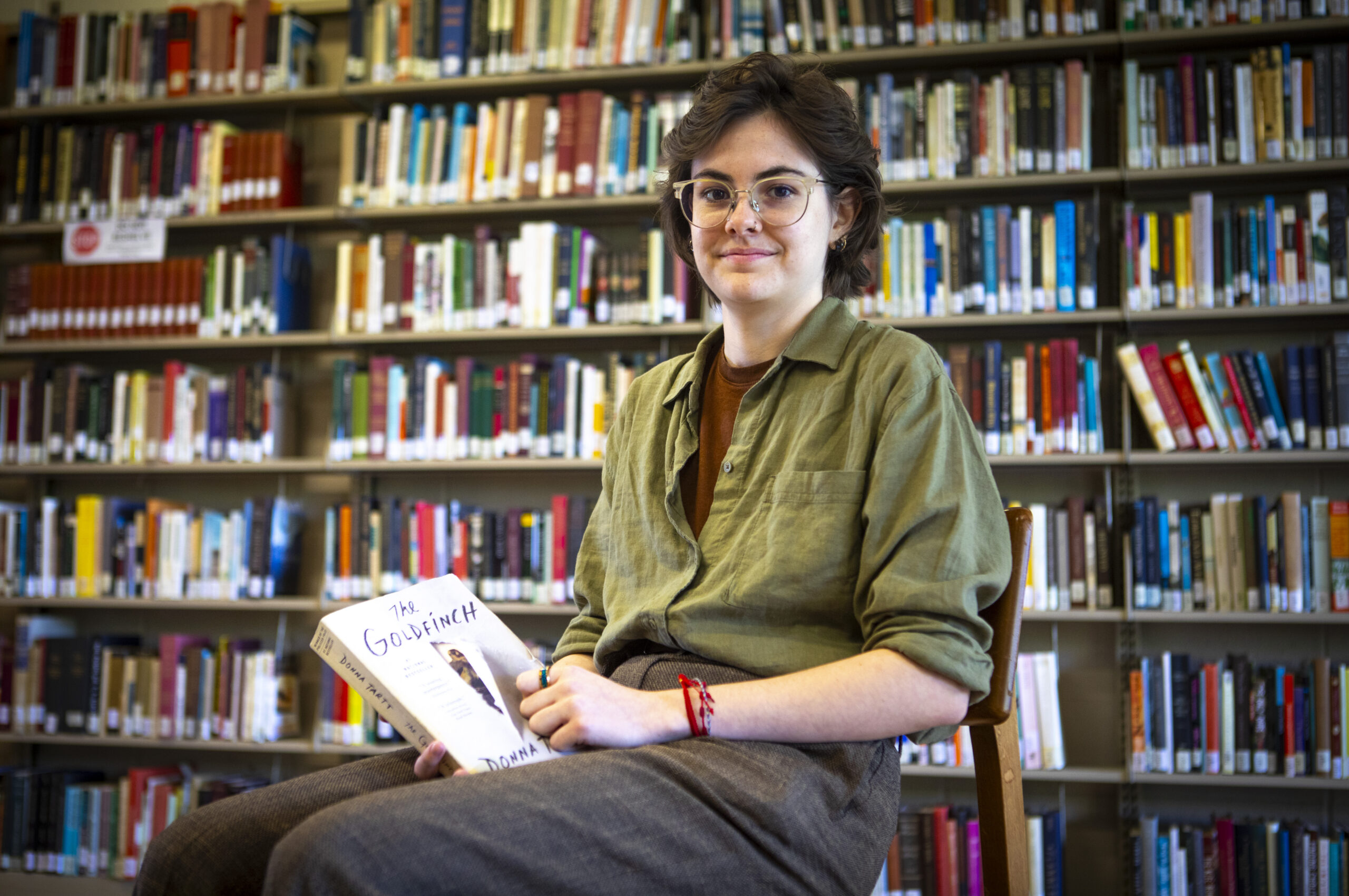
Dorie Palmer, a library associate who uses they/them pronouns, said students from nonconforming genders “have experienced discriminatory actions on behalf of certain Trinity staff; however, Trinity as a whole is very inclusive.”
Nevertheless, the rollback of diversity, equity and inclusion initiatives across the country reveals a stark reality for students. PBS News reported last September that more than “400 campuses across the country have had programs and centers that promote diversity, equity and inclusion eliminated or rebranded.”
Bailey Squire, a senior who uses they/them pronouns, said they began the semester with a professor who asked students to share their name, major and pronouns.
“Not a single person did that, so I didn’t say my pronouns either — this isn’t the space,” Squire said.
Fernanda Avendano-Gomez, a senior who uses she/they pronouns, meaning she identifies with both pronouns, said advocacy for social issues is performative, and people are not deeply informed.
Avendano-Gomez has experienced interactions in which people were not informed about the intersectionality of feminism. She said classes like environmental justice are important because they shed light on the impact of gender and minority oppression.
Squire is aware that Trinity has made progress, but said people are changing more than the institution itself.
Trinity has one gender-neutral bathroom located in Main Hall. Two other gender-neutral bathrooms on Trinity’s campus are inside the Sister Helen Sheehan Library and one is labeled for staff members.
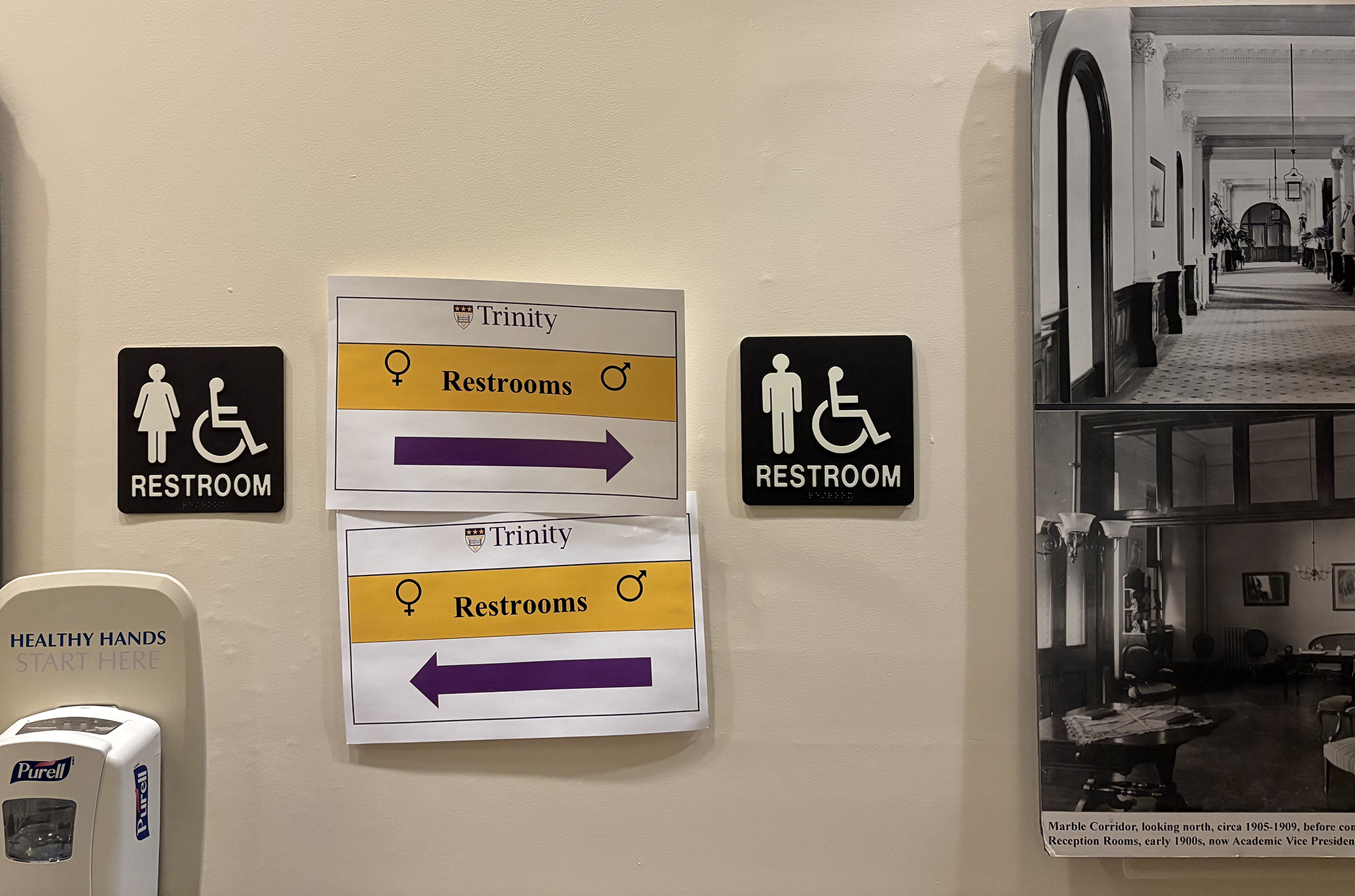
Palmer said they normally seek accessible or family restrooms.
“I feel uncomfortable going into the women’s bathroom,” Palmer said.
Students and staff members said library employees have fostered a sense of safety that enables LGBTQ+ community members to speak up.
“The library is one of the safest places on campus that actually asks about people’s pronouns and respects them,” Squire said.
“Everyone who works at the library uses my correct pronouns, even if they don’t get it,” Palmer said.
Advocates say that as the LGBTQ+ community faces renewed scrutiny and marginalization — such as the Trump administration ending specialized suicide prevention services for LGBTQ+ youth on the 988 Suicide and Crisis Lifeline — the urgency to create inclusive environments intensifies.
“Misgendering is at an all-time high right now,” Avendano-Gomez said, and emphasized that providing space without resources is not true inclusivity. She suggested that a required sexuality and gender workshop training for faculty and staff before the start of each semester could be a first step.
Squire said they have experienced instances where professors used incorrect pronouns, despite being informed of the correct pronouns.
“One of my other professors knows I don’t identify with she/her pronouns but still uses she/her pronouns in different situations,” Squire said.
Trinity Washington University, founded in 1897 as Trinity College, was the nation’s first Catholic liberal arts college for women and has continuously evolved.
By the 1980s, Trinity made significant strides to embrace diversity, especially for women of color. Patricia McGuire, a 1974 Trinity alumna, has served as the president of Trinity since 1989.
“Equity programs are a relatively modest attempt to level the playing fields after centuries of harmful oppression on the basis of race, gender, ethnicity, sexual orientation, and other characteristics,” McGuire wrote in an article in the Spring 2025 issue of Academe, the magazine for the American Association of University Professors.
The university’s former Rainbow Space, a student-led initiative dedicated to the LGBTQ+ community on Trinity’s campus from 2023 to 2025, strove to provide a supportive community to students who identify as lesbian, gay, bisexual, queer, transgender, nonbinary, or pansexual.
Trinity promotes inclusivity through faculty members like Gladys Williams, educational administration program director, who has co-authored resources for creating a transgender inclusive classroom, and through policies like Title IX, a federal civil rights law that prohibits sex-based discrimination in federally funded education programs and institutions.
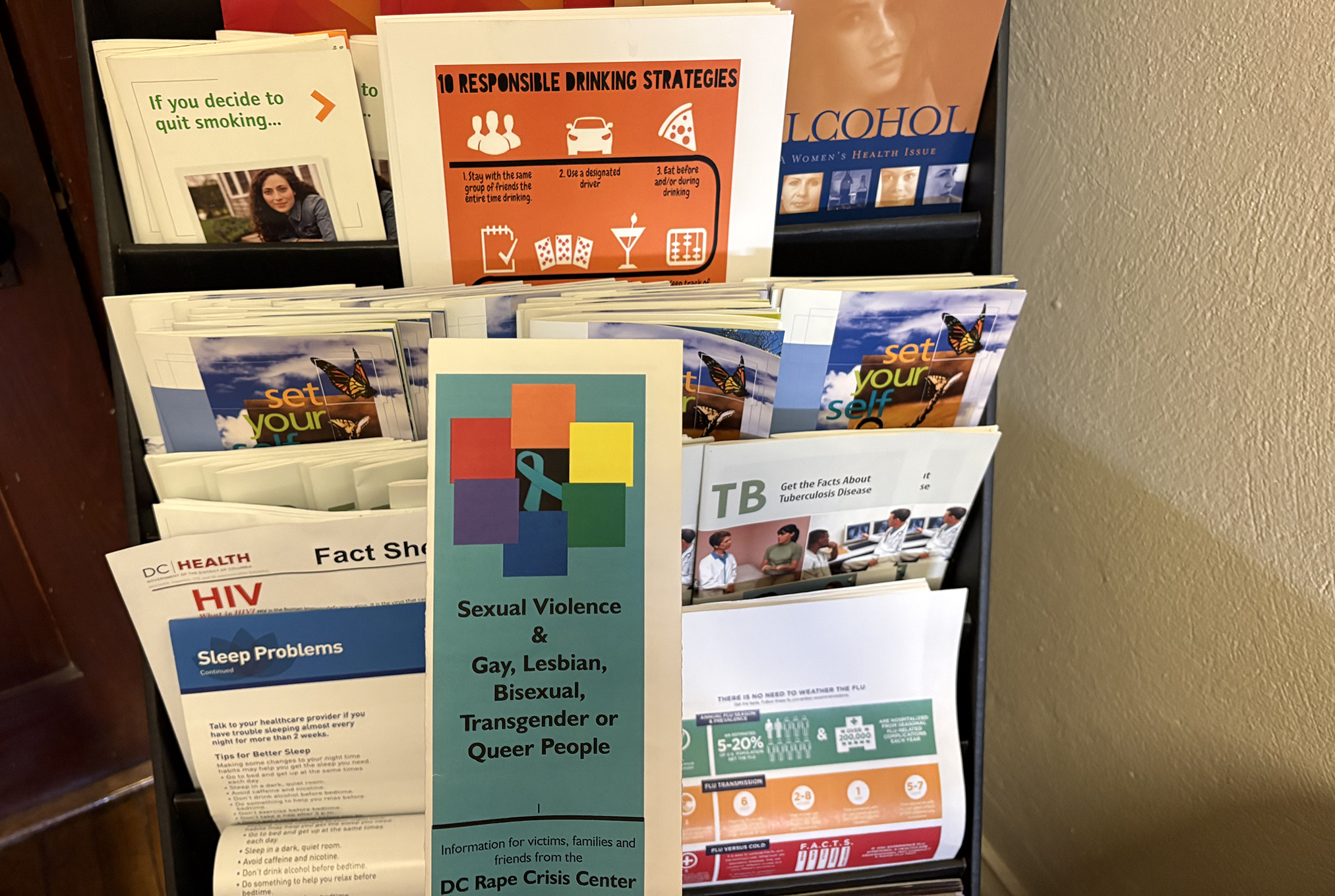
At Trinity’s Health and Wellness Center, counselor Anne Cosimano explained the importance of open conversations around sexual identity.
“Students need to know that discussing sexuality and gender identity is both acceptable and supported,” Cosimano said. She added that if the Health and Wellness Center does not have the exact resource a student needs, it has places and resources to which students can be referred.
Avendano-Gomez said that, especially with the different cultures among Trinity students, “sometimes gender can become a taboo or controversial topic that people simply do not acknowledge or do not understand.”
Squire said Trinity is as inclusive “as a Catholic school can be,” but called for more discussion and engagement on pronouns and gender inclusion among faculty.
“When I get asked for my pronouns, there’s a joy inside me,” Squire said. “I am safe … somebody wants to make sure they know me.
“Queer people exist … we gotta keep working, this is for the long haul,” Squire said.