By Tanzania Kennedy
Trinity Times Correspondent
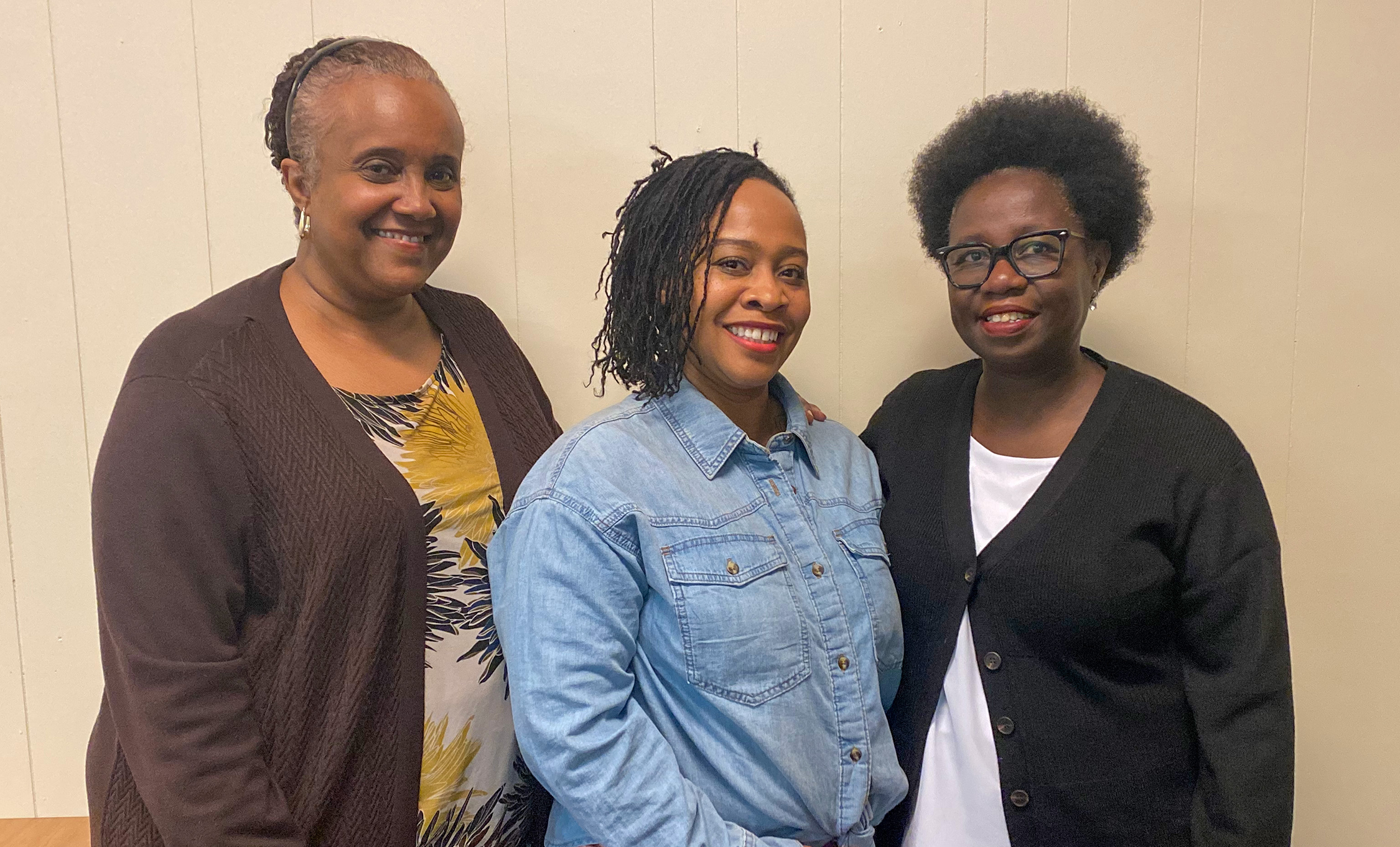
When De’Mia Artis earns her bachelor’s degree in public health from Trinity Washington University this January, she’ll be giving special thanks to the Margaret McNamara Education Grants (MMEG) program – the volunteer-run nonprofit she says made her education possible.
Artis is one of 22 Trinity students who have received MMEG funding since the organization began offering grants at the university in 2016. Now, program leaders hope more students aged 25 and older will apply before the Jan. 15, 2026, deadline.
Founded in 1981, MMEG honors the legacy of Margaret McNamara, an educator-turned-advocate whose work reshaped literacy efforts in the United States and advanced educational opportunities for women and children around the world. McNamara also was a founder of Reading Is Fundamental, the largest children’s literacy nonprofit in the country. MMEG continues her mission by supporting women whose academic and professional goals aim to strengthen their communities.
To qualify for an MMEG grant, applicants must identify as women and be at least 25 years old at the time of submission. They must be enrolled full or part time at Trinity and plan to graduate within three years of receiving the award. The program is open to U.S. citizens, permanent residents and undocumented students. Complete eligibility and application details are available on the MMEG website.
Although MMEG originally supported women in developing countries, the nonprofit expanded its reach in 2015 to include women in the Washington, D.C., region. The shift reflected a broader commitment to uplifting women locally as well as globally.
MMEG Board President Vesna De La Borde said the organization evaluated several universities before selecting Trinity as a partner. Trinity, she said, was “an incredible fit for MMEG for so many reasons,” citing the university’s historic identity as a women’s college and its alignment with MMEG’s core values. Trinity’s mission to promote women’s education and leadership, she added, mirrors the organization’s own purpose.
For Artis, the grant has been life-changing. She told Trinity Times that receiving MMEG support helped strengthen the resilience and purpose the program seeks to foster in its scholars.
“It has given me the freedom not to stress over paying for school or other debts,” she said.
Artis’s experience reflects MMEG’s broader impact: creating pathways to educational stability and long-term success, echoing McNamara’s belief that investing in women’s education is among the most effective ways to reduce poverty and promote economic growth.
Barbara Goliday, Trinity’s director of corporate and foundation relations, said partnerships like the one with MMEG are essential.
“It’s so critical for Trinity to step in and provide the necessary resources for students,” Goliday said. “This support eases their burden, enabling them to stay in school, earn their degree, graduate and, hopefully, secure a livable wage.”
MMEG’s commitment extends beyond financial aid. De La Borde said the organization regularly connects former and current grantees with shared interests and career paths, fostering a global community dedicated to mutual support.
“It’s very important for them to be able to meet each other, to network and to help each other out,” she said.
For Artis and many others, the grant represents far more than funding – it’s a turning point that opens doors to mentorship, professional networks and long-term personal growth.
With the application deadline approaching, Trinity students who meet the criteria are encouraged to apply. The scholarship, which has awarded up to $7,500 per recipient, remains one of the few higher-education grants specifically designed for women 25 and older.
Apply here: https://www.mmeg.org/apply