By Saron Gebereegziabhier
Trinity Times Correspondent
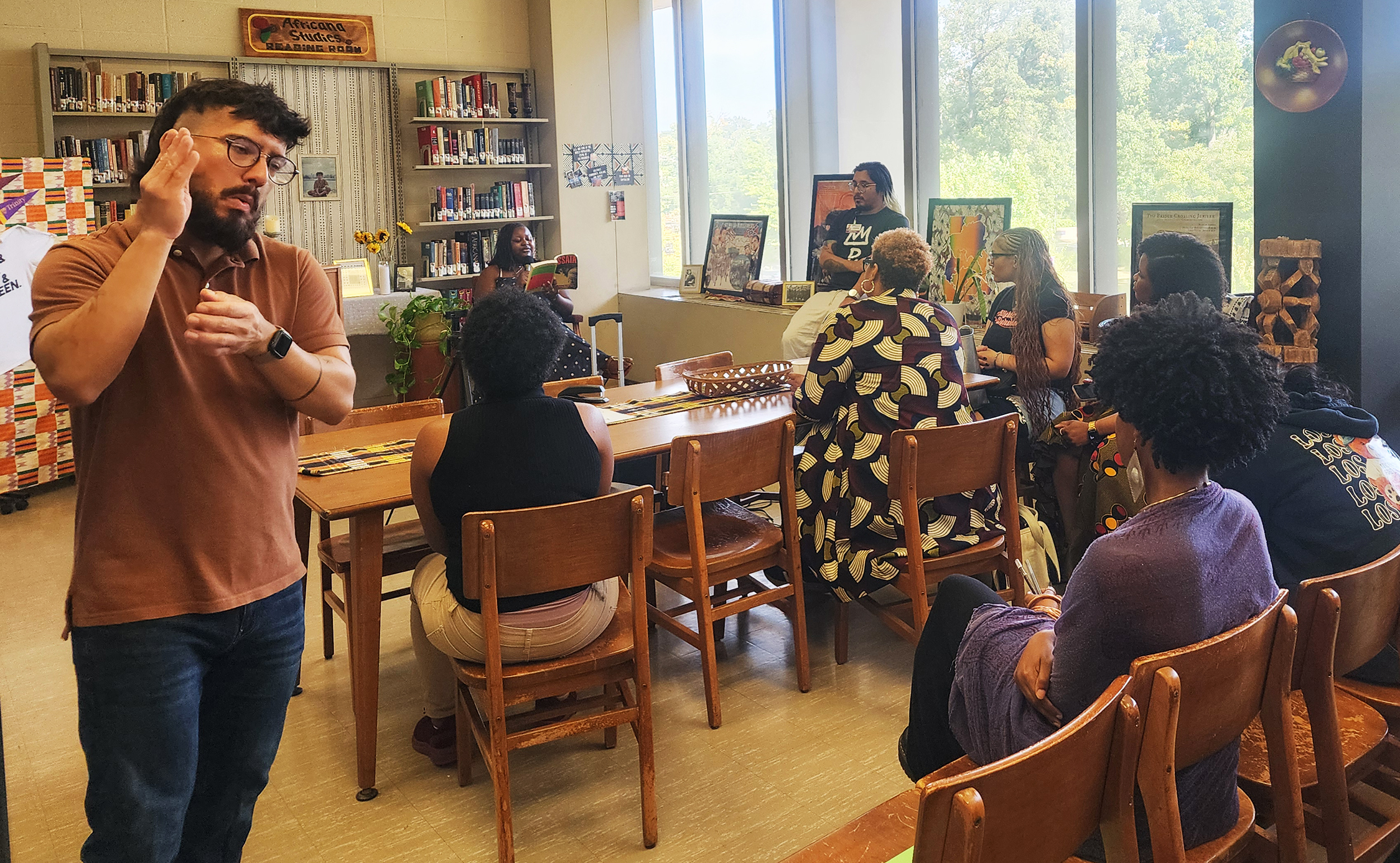
The Africana Studies Reading Room at Trinity Washington University felt less like a study hall than a memorial Oct. 7, its green-bordered cards inviting visitors to recall when they first learned of Assata Shakur, the Black Liberation Army figure convicted in a New Jersey trooper’s 1973 killing who spent decades in exile in Cuba.
The campuswide, all-day “remembrance” came just days after Shakur’s Sept. 25 death in Havana. The timing – paired with a community reading of Assata: An Autobiography – made the tribute feel intentional and, to some, provocative.
A Contested Legacy
Around the room, artifacts and photographs softened the stacks nearby. A schedule listed alternating readings in English and Spanish. The atmosphere was more contemplative than its portrayal in some right-wing media outlets that framed it as a flagrantly immoral act for a Catholic institution.
Critics condemned Trinity’s remembrance of Shakur, arguing that celebrating a convicted murderer and FBI-listed fugitive disrespects law enforcement and undermines the university’s moral credibility. Supporters defended the program as an academic and cultural reflection on Shakur’s writings and survival, saying her story offers lessons in resistance, racial justice and Black female empowerment.
Academic Roots and Organization
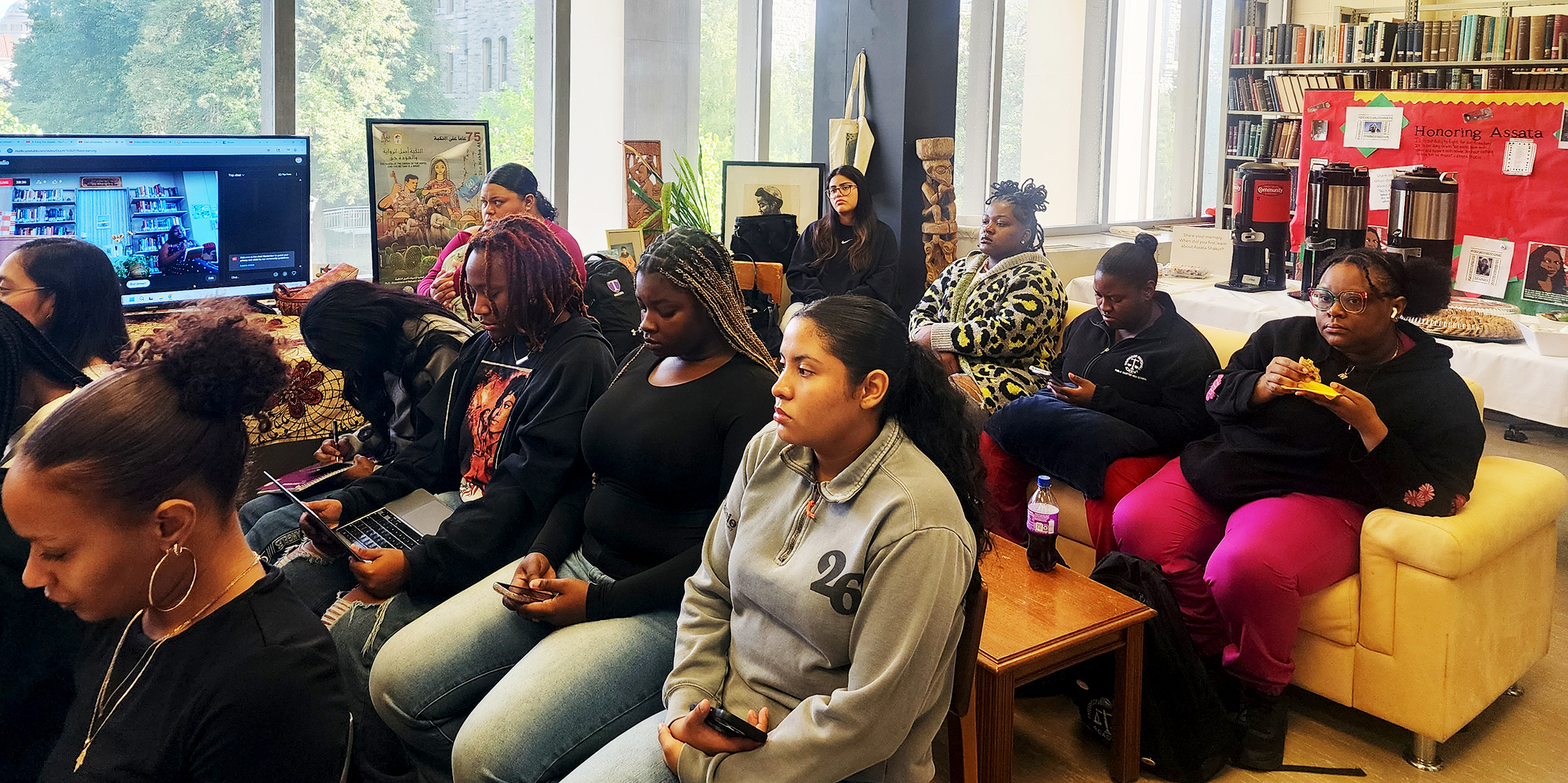
The reading aligned with Trinity Reads and Teagle Foundation initiatives organized by English professor Rewa Burnham, communications professor Jamey Piland and global affairs professor Kimberly Monroe. Members of Trinity’s Black Student Alliance and other students volunteered to help run the event, from reader introductions to bilingual transitions.
Framed as both community reading and memorial, the event situated Shakur’s words in their historical and political weight.
Born JoAnne Chesimard, Shakur was convicted in 1977 for her role in the fatal shooting of New Jersey State Trooper Werner Foerster, escaped prison in 1979 and later received asylum in Cuba. In 2013, the FBI added her to its Most Wanted Terrorists list, and law enforcement agencies have long advertised rewards for her capture.
Shakur has long maintained she did not fire the fatal shots and says her case was politicized. Her supporters point to trial disputes – such as testimony about the absence of gunshot residue – as evidence of wrongful conviction.
To law enforcement and many critics, she remains a convicted fugitive and domestic terrorist. To admirers, she is a symbol of Black radical resistance and political exile – a divide that has kept her case in public view for decades.
Reaction and University Response
The event drew swift criticism from several conservative outlets, which framed the reading as a university “celebration” of a convicted “cop-killer,” highlighting Trinity’s Catholic identity and ties to prominent alumnae.
In a written statement to Trinity Times, Trinity President Patricia McGuire said the university “vigorously upholds the freedom of faculty and students to read and discuss any and all topics,” adding that the university “does not shy away from controversial subjects.”
McGuire said the program fits within scholarship led by Monroe, whose dissertation and forthcoming book examine Assata Shakur, and aligns with Trinity’s social justice mission to explore racial justice and gender equity.
“Debate and disagreement are part of learning,” McGuire said, emphasizing that the university “will not indulge bullying and intimidation tactics to silence academic research and exposition.”
Voices From the Reading
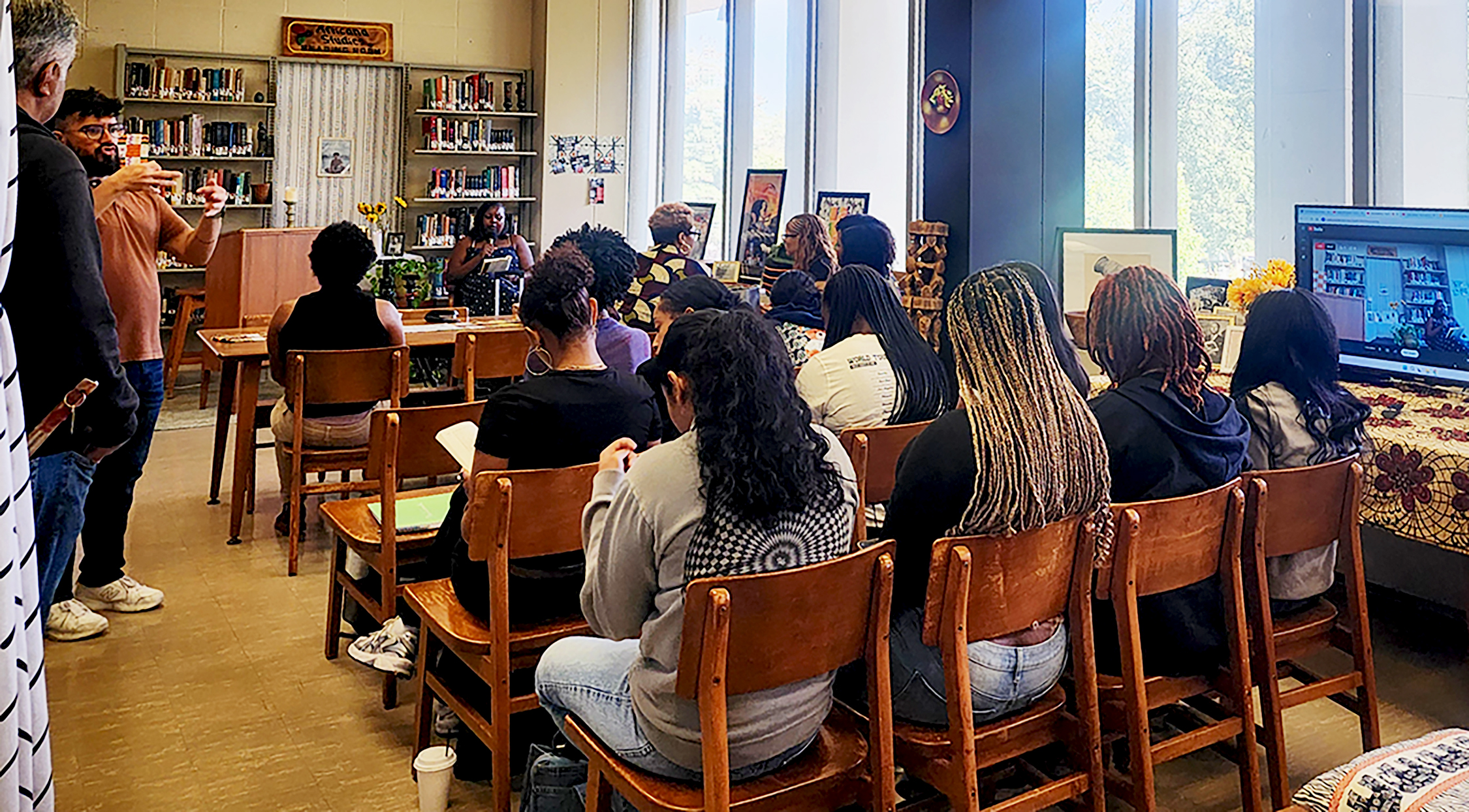
Sydney Ware, a journalism and media studies major with an Africana studies minor and a member of the Black Student Alliance, told Trinity Times that “the Black Student Alliance’s mission has always aligned with the work and activism of Assata Shakur, and her story has been an incredible means of inspiration for us in our journeys as young activists.” She added that being in the room with like-minded people who recognized Shakur’s contributions “reminded us to remain radical in our thinking and activism as a BSA.”
Dashwanda Marshall, a Trinity student who volunteered to take the mic, said, “Assata’s story resonates with me as a Black woman and with many others. Her resilience and fight for justice are admirable.”
Marshall said voicing the text deepened her sense of connection. “When reading, I could feel how engaged and connected the audience was by their silence,” she said. “It made me want to read each word with intention.”
The bilingual aspect of the reading served more as a bridge across cultures than a barrier for those who didn’t understand the language. “Reading Assata in Spanish to the public, I realized that even though some could not comprehend the language, they could feel and see Assata expressing herself through me,” said Alison Ochoa, who volunteered to read in Spanish.
Ware described the moment as “a certain power in hearing someone’s story spoken aloud,” noting that collective reading felt “more impactful, as everyone in the space is putting a voice to the text.”
Reflection and Meaning
That collective remembrance extended beyond the event. Ware linked it to the broader responsibility of young Black students “to both preserve and reimagine the radical work of our predecessors. Preservation allows us to connect with the contributions that have brought us this far, and reimagining comes from utilizing the tools of today.”
“It’s a reminder that as a Black woman, I need to use my voice intentionally, speaking up when necessary,” Marshall said. “My voice can be used to remember such brave and courageous women like Assata.”
A classroom discussion can analyze a chapter, but a vigil can honor a life. A public reading done bilingually and in community did both – holding the complicated history (trial, escape, exile, asylum) and the living debate (terrorist to some, freedom icon to others) – while returning, repeatedly, to the text that shaped it.