By Esther Joseph
Trinity Times Correspondent
Trinity Washington University sophomore Cheryn Chavarria-Romero recalls the financial and logistical hardships her undocumented relative faced when seeking medical care.
Without health insurance, routine checkups and emergency visits were unaffordable, forcing her family to rely on home remedies or delay treatment, she told Trinity Times.
“We had no choice but to find alternatives because going to the hospital was too expensive,” Chavarria-Romero said.
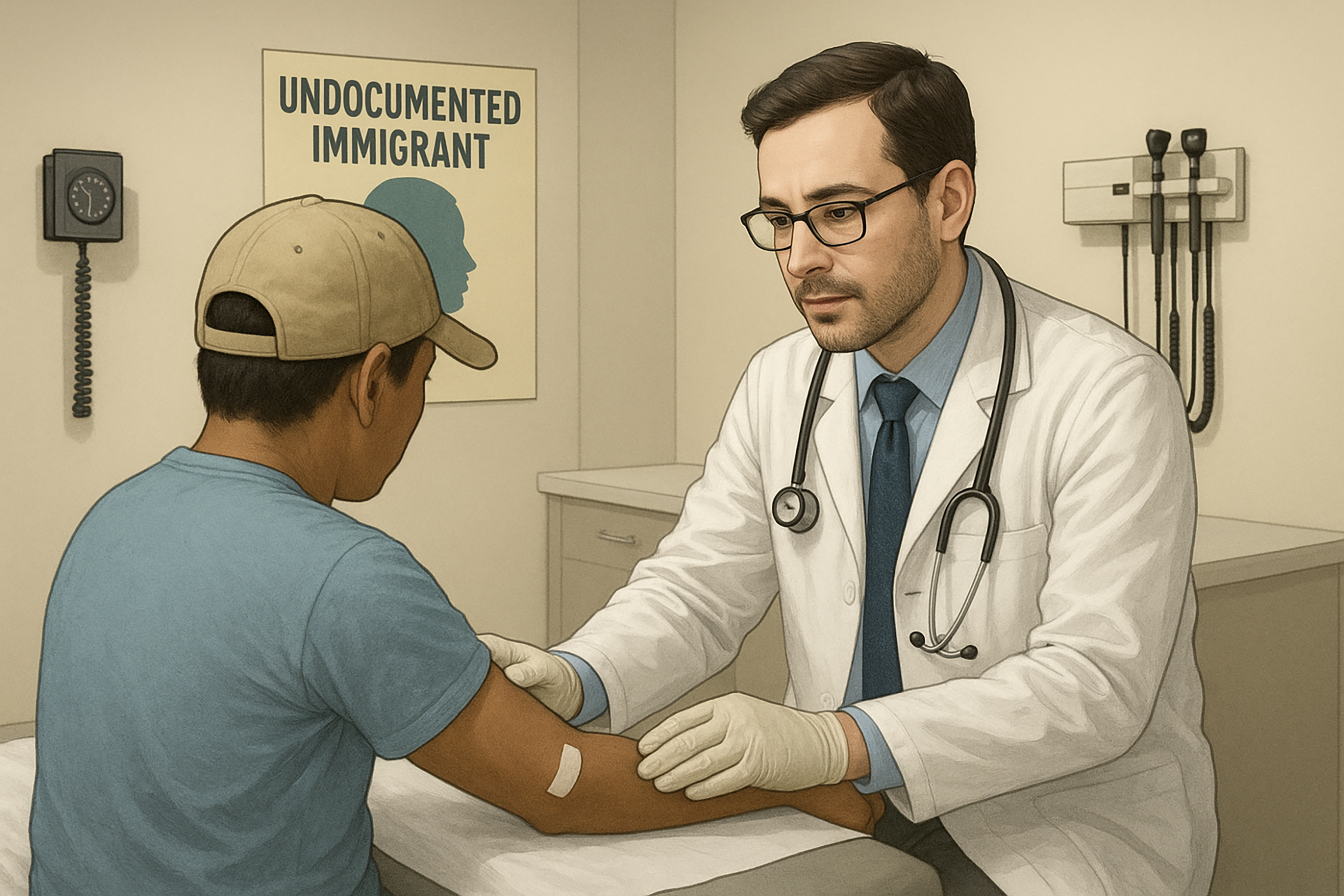
Her experience reflects the challenges millions of undocumented immigrants face in the United States, where access to healthcare remains limited due to financial barriers and systemic exclusions.
As policymakers, healthcare professionals and communities continue to grapple with the issue, the debate over healthcare access for undocumented immigrants has grown into a pressing public health concern with economic and ethical implications. While critics cite financial costs, supporters argue that expanding access benefits society as a whole.
Chavarria-Romero, who has also faced illness herself, said seeking treatment has placed further financial strain on her family.
An estimated 9 million immigrants in the U.S., many of them undocumented, lack health insurance, according to a 2023 report by the Kaiser Family Foundation. This coverage gap creates major obstacles to receiving care and leaves many vulnerable to preventable diseases and untreated chronic conditions.
A 2019 study titled “Health Care Access for Undocumented Immigrants in the United States: A Public Health Imperative,” published by The Lancet’s Public Health Research Collaborative, found that limited access for undocumented individuals poses broader public health risks, including the spread of infectious diseases. The study urged the development of more inclusive healthcare policies.
The cost of care is one of the biggest deterrents. A 2023 study by the American Journal of Public Health, titled “Financial Barriers to Healthcare Access Among Undocumented Immigrants in the United States,” found that undocumented individuals often forgo medical treatment due to financial concerns, leading to worsening health outcomes over time. The study noted that those with chronic illnesses such as diabetes or hypertension face particularly dire consequences due to a lack of consistent care.
The 2023 Kaiser Family Foundation report also found that undocumented immigrants are significantly less likely to seek preventive care, increasing their risk of serious illness and higher long-term costs to the healthcare system.
Angela Anderson, a nurse practitioner and director of Trinity Washington University’s Health and Wellness Center, said she’s seen firsthand the impact of these barriers.
“By the time they come in, it’s often too late for preventative measures,” Anderson said. “Many are also afraid of being reported or facing legal repercussions, even though most healthcare providers do not ask about immigration status.”
That fear is reinforced by policies that exclude undocumented immigrants from federal programs such as Medicaid and the Affordable Care Act marketplace.
Maryann Udoh, a 55-year-old immigrant living in Conneaut, Ohio, echoed those concerns and warned of the broader public health consequences.
“When people delay medical treatment, it not only worsens their individual health outcomes but also places a strain on the entire healthcare system,” Udoh said. She noted that untreated illnesses often lead to higher hospitalization rates, which drive up costs for both hospitals and taxpayers.
Udoh now advocates for community-based health initiatives to support undocumented populations but said such efforts are only temporary fixes to a systemic problem.
Opponents of expanding healthcare access argue that doing so would be too costly. The Center for Immigration Studies estimated in 2009 that providing public health insurance to undocumented immigrants could cost U.S. taxpayers $18 billion annually.
Critics also argue that increased access could act as a “pull factor,” encouraging unauthorized immigration. However, a 2023 report by the American Public Health Association emphasized that healthcare access is a matter of human rights and public health, not immigration control.
Studies also show that lack of access leads undocumented immigrants to rely on emergency departments for care — a significantly more expensive option for hospitals and the public. The Kaiser Family Foundation reported in 2023 that this shift toward emergency care raises long-term costs for the entire system.
For many undocumented individuals, community-based healthcare is the only option. Chavarria-Romero said her family eventually received assistance through United Healthcare but noted that such opportunities are rare.
“We were lucky to find something that worked for us, but many families don’t have that option,” she said.
Free clinics and nonprofit health organizations help fill the gap, but experts say they are not a substitute for systemic reform.
The political landscape surrounding this issue remains contentious, especially as immigration continues to dominate national debate. The Trump administration tightened restrictions on public benefits for undocumented immigrants, and analysts predict future healthcare policies will continue to shift with changes in leadership at both the state and federal levels.
Immigrant rights advocates argue that denying healthcare to undocumented individuals is both inhumane and counterproductive to public health efforts.
Public opinion remains divided. Some Trinity students without immigrant backgrounds expressed mixed views on the issue.
“I believe that healthcare is a human right, and no one should be denied medical treatment just because of their immigration status,” said Shahara Coy, a sophomore who supports universal healthcare.
Trinity sophomore Moriah Turner voiced financial concerns.
“While I sympathize with undocumented immigrants who struggle to access healthcare,” Turner said, “I think providing government-funded coverage could strain our already overburdened healthcare system.”