By Veronica Escobar
Trinity Times Correspondent
Trinity Washington University sophomore Sandra Bersonic is one of millions of undocumented immigrants in the United States, facing a long and uncertain path to legal status.
Although Bersonic has received significant support from Trinity students, staff and faculty, all understand that her ability to obtain legal status is extremely difficult — a challenge that became even harder after President Donald Trump returned to office in early 2025.
Sandra Bersonic is not the real name of the student interviewed for this story; it is a pseudonym used to protect her identity.
Trump’s victory in the 2024 presidential election was driven in large part by his renewed pledge to implement mass deportations of undocumented immigrants.
Like many others, Bersonic and her family fled Ecuador for the United States when she was a child to escape violence in their home country.
“I thought we were just visiting,” she said, recalling her first days in the U.S. as a 12-year-old. “But then I realized this was our new home — permanently.”
While adjusting to a new culture and learning English was challenging, Bersonic said her greatest struggle has been navigating higher education without any form of legal status.
“Applying to college, financial aid and employment is harder than usual,” she told Trinity Times.
Her experience mirrors those of thousands of undocumented students across the country who are ineligible for federal financial aid and face limited job opportunities.
A 2022 study by the Migration Policy Institute found that undocumented immigrants face significant economic barriers due to legal restrictions, limiting their ability to achieve upward mobility.
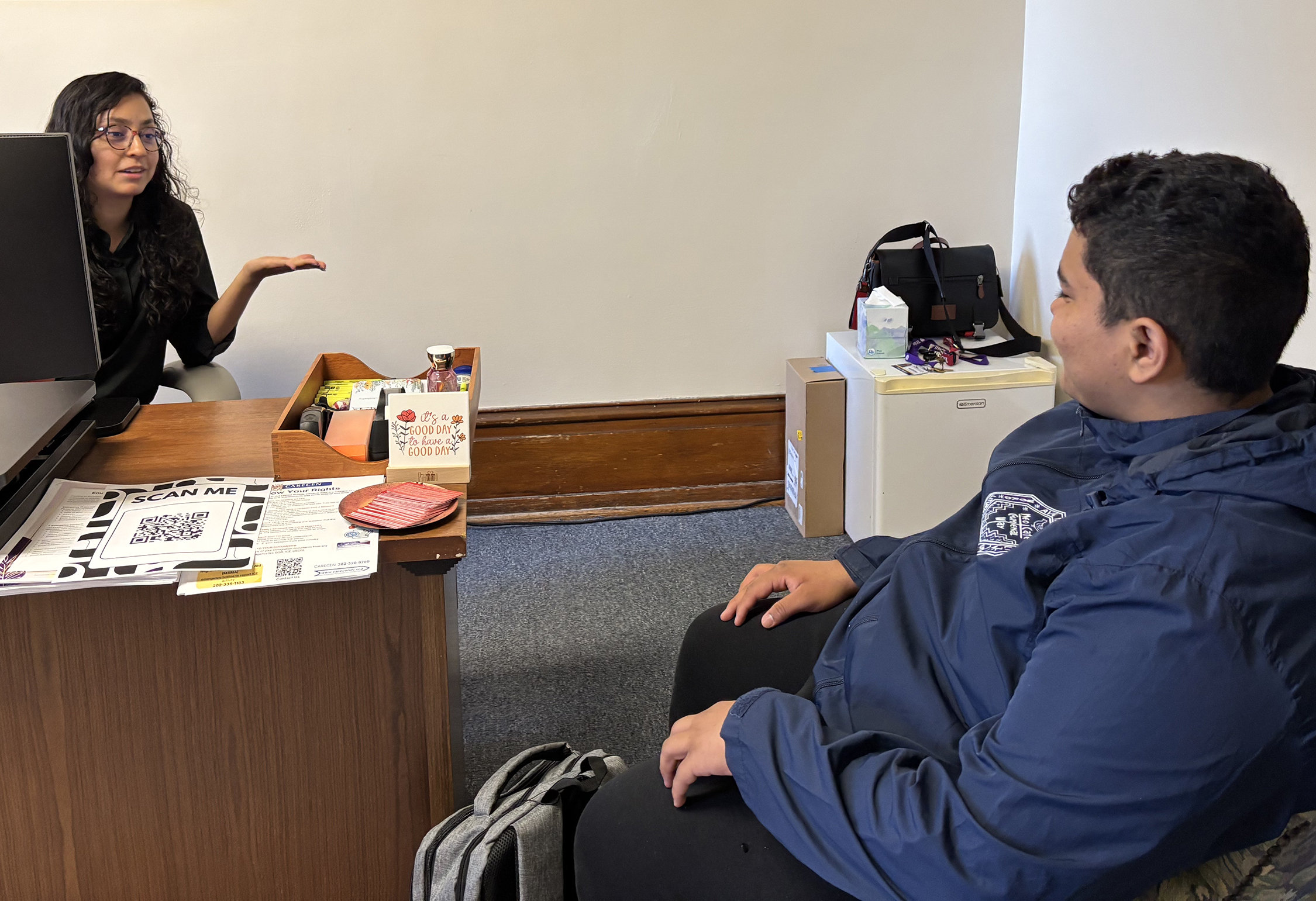
Rosa Reyes, director of the Dreamers Partnership and a student advisor at Trinity, works closely with undocumented students, offering support through scholarship guidance, mental health services and legal aid referrals.
Reyes understands the fear and uncertainty firsthand.
“I was undocumented for 10 years,” she said.
Born and raised in Guatemala, Reyes came to the United States on a tourist visa in 2015 at age 17 and later overstayed. She pursued a college education, graduated and eventually began working at Trinity — all while navigating the complex legal process to rectify her immigration status, which was finalized in early 2025.
“I constantly worry about being seen as less than my peers,” Reyes said. She now dedicates her work to ensuring that undocumented students have access to education regardless of their legal status.
A 2024 report by the American Immigration Council found that ever-changing immigration policies — including Deferred Action for Childhood Arrivals (DACA), Temporary Protected Status (TPS) and asylum — make it difficult for immigrants to maintain stability while pursuing education and employment.
Beyond the Trinity campus, immigration attorneys emphasize how complex and inaccessible the legal system can be for undocumented immigrants.
“The primary pathways to legal status — work visas, asylum or family sponsorship — are all restrictive,” said Ashley Ham Pong, an immigration attorney based in Virginia.
Pong told Trinity Times that work visas are difficult to obtain because they require employer sponsorship, and many employers are hesitant to navigate the expensive and bureaucratic visa process.
Family sponsorship is another route, but the waiting periods can stretch more than 20 years due to long backlogs, Pong said.
Lack of legal representation is another major obstacle, especially for minors and asylum seekers.
“Asylum seekers must meet strict legal requirements, proving that they face persecution based on race, religion or nationality,” Pong said. “Many people do not have access to an immigration lawyer, which severely reduces their chances of gaining legal status.”
She added that even minor errors in paperwork can lead to deportation due to systemic issues in the immigration process.
According to a 2024 report by Amnesty International, asylum seekers and refugees often face prolonged delays and are vulnerable to deportation even when they qualify for protection under U.S. law.
The report noted that shifting policies and an overwhelmed court system have led to thousands of denied asylum cases, even for individuals fleeing violence.
At Trinity Washington University, these issues are more than theoretical — they are personal. As students like Bersonic look toward their futures and advocates like Reyes push for reform, the broader question remains: How can the United States create a more accessible path to legal status?
For the Trinity community, these stories serve as a powerful reminder that behind every policy debate are real people — professionals, educators and students — working toward a more secure and inclusive future.