
By Ariana Williams
Trinity Times Correspondent
During the first half of each semester at Trinity Washington University, campus spaces offering tutoring resources are usually quiet.
“Our influx of students is definitely around midterms and finals,” said Sarah-Marie Taylor, a student tutor at the Writing Center in the Sister Helen Sheehan Library. “Other than that, this place is pretty empty.”
Taylor describes a typical interaction with students: “I ask questions like, ‘When is your paper due?’ And they say, ‘Oh, my paper is due tonight.’ Like, why did you do that to yourself?”
Good time management is a key component to academic success, yet poor time management is often what trips university students up during their time in college, according to Thomas Mostowy, Trinity’s dean of the School of Professional & Graduate Studies.
The sooner students seek academic help, the better they will stay on track, Mostowy told Trinity Times.
The students who make their decisions earlier, who come to orientation and speak to their advisors early, have a better handle on how to succeed, he said. “They’ve already managed their time.”
Mostowy recognizes the challenges of balancing multiple schedules, especially for evening students.
University officials emphasize to new students during orientation that while finishing school can be challenging, it will ultimately be worth the effort, he said.
“Time management is the most essential skill for college success,” said Kimberly LaBoone, director of Trinity’s Academic Services Center. “For students who are managing multiple roles, such as caretaking, create a schedule, have a plan, and don’t try to wing it or take on tasks as they come to you.”
Though acknowledging that guidance is easier said than done, LaBoone offered two simple words of advice: avoid procrastination.
“Write things down, use apps for schedule creation, set reminders on your phone, create a Google Doc,” she said. “There are multiple ways to keep on top of your schedule. It just depends on the individual.”
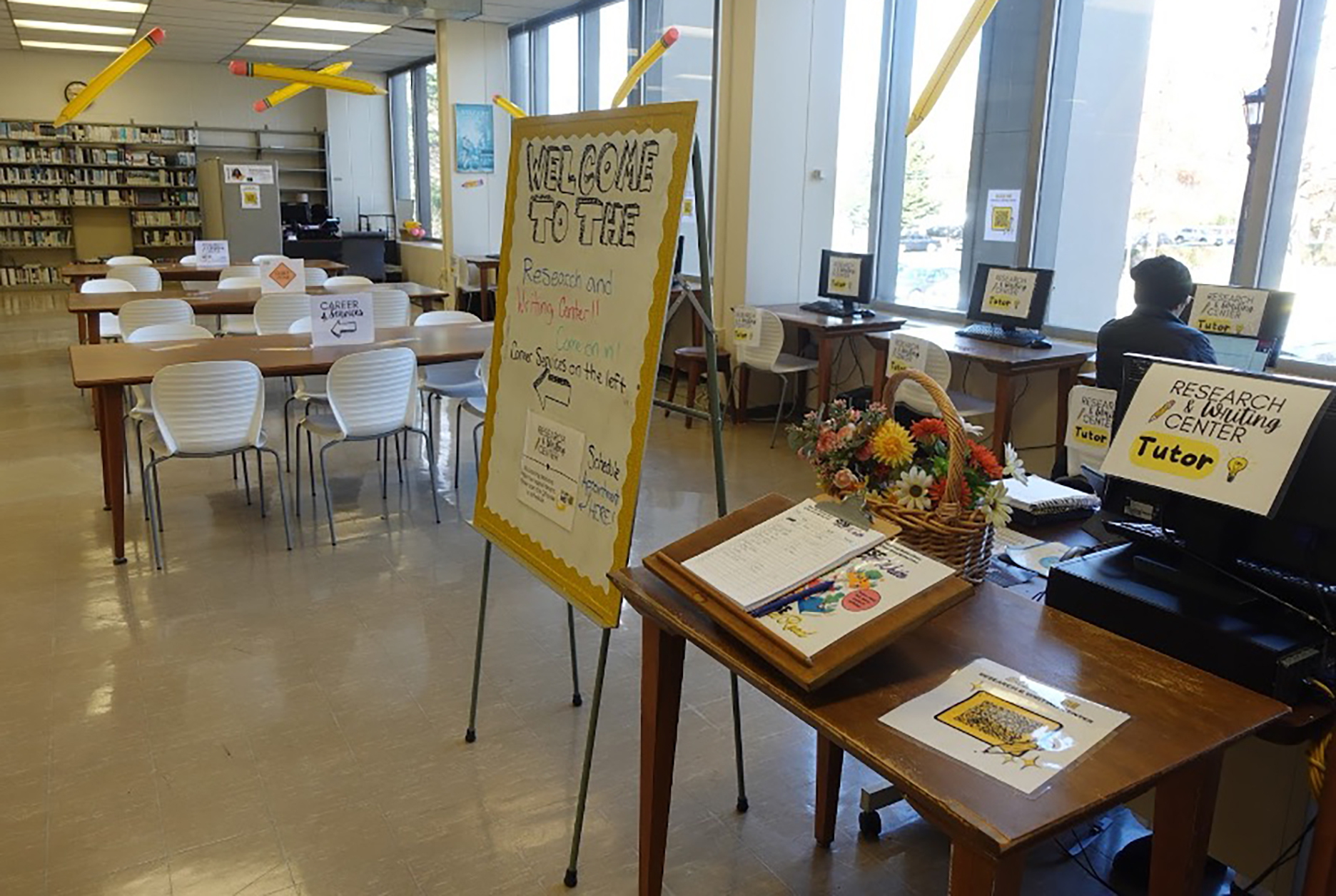
Developing good time management skills has been an academic winner for Taylor, who told Trinity Times she juggles the rigorous demands of college through her personalized scheduling system.
“I specifically use these sticky notes,” she said. “They have little boxes that I can check. And I’m also really close and personal with my Google Calendar.”
A 2014 study by the National Institutes of Health found Google Calendar to be significantly more effective than a paper-based diary for managing tasks.
When she meets with students, LaBoone frequently encourages them to assess their time management skills.
“Setting goals is an important step,” she said. “Ask how well you’re managing your time? How often are you reaching the goals you establish for yourself?”
Mostowy advises students not to take on too much, especially in the beginning of their college career.
“I always encourage students in the first semester to take two courses,” he said. “Take the minimum and see how you do. And if that was easy, we’ll add a course, maybe even two later on. But don’t come in and try to take four or five courses in the first semester. If you flunk half of them, you don’t get to graduation any quicker.”
The impact of academic stress extends beyond grades.
A study conducted by Rutgers New Jersey Medical School during the COVID-19 pandemic found that academic stress can negatively affect mental health in students.
“Mental or psychological well-being is one of the components of positive mental health, and it includes happiness, life satisfaction, stress management, and psychological functioning,” the Rutgers study concluded.
“I think back to my days as a doctoral student,” LaBoone said. “I was a wife, a mother, an employee, as well as a student. It did create a lot of stress so I used to procrastinate, which usually involved me cleaning the house instead of doing the task I needed to do.”
LaBoone developed strategies to manage her schedule, which she now shares with Trinity students.
“I identified pockets of time to do activities,” she said. “I had specific days to do schoolwork and writing — days I knew I wouldn’t be distracted. I would also have times that I changed my environment by physically working in my office. And of course, I scheduled time to spend with family.”
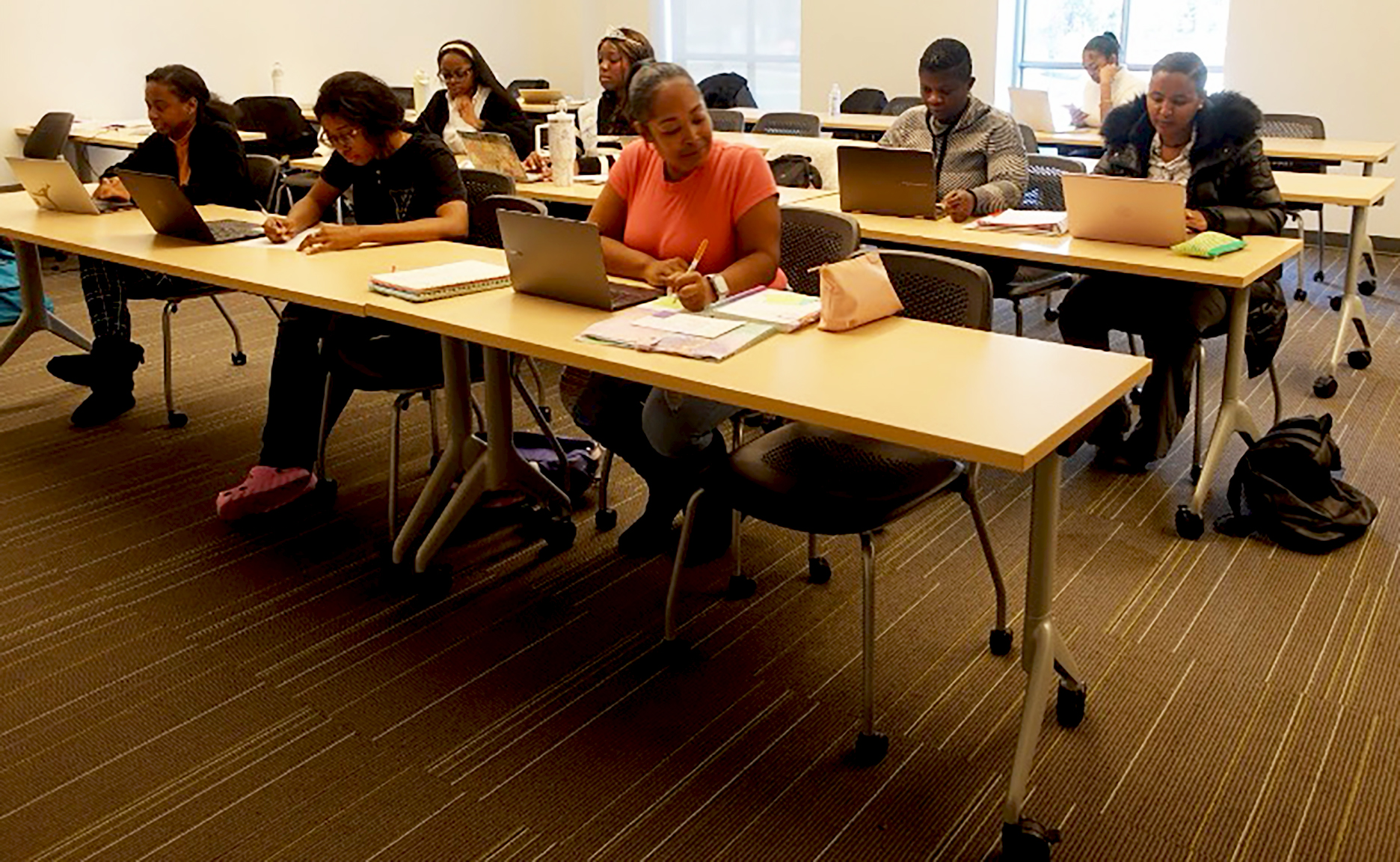
Self-care is as important to student success as effective time management, LaBoone stressed.
“I planned time for cleaning and other things that helped me cope,” she said. “As needs arose, I would switch my time and my focus.”
Prioritizing her academic responsibilities has been very important to Taylor, even if it means sacrificing social events.
“I think my friends can get kind of frustrated with me because I will always sacrifice a social meeting if I have some work to get done,” she said. “But they know that about me. I’m an honor student, and I want to keep up my GPA (Grade Point Average).”
From math tutoring through Starfish to assistance at the Writing Center and mental health services in the Wellness Center, Trinity offers a range of resources for students, and LaBoone urges them to seek help early to stay organized.
Even for students who feel like they’re on track, a checklist will ensure they’re prepared for projects and assignments, she said, stressing that the specific approach will depend on personal preference “and what works best for you.”
Success, LaBoone said, isn’t a biological trait but a capability to cultivate.
“Time management is a skill,” she said. “You must work at it. You must plan for it.”