By Ashley M. Williams
Trinity Times Correspondent
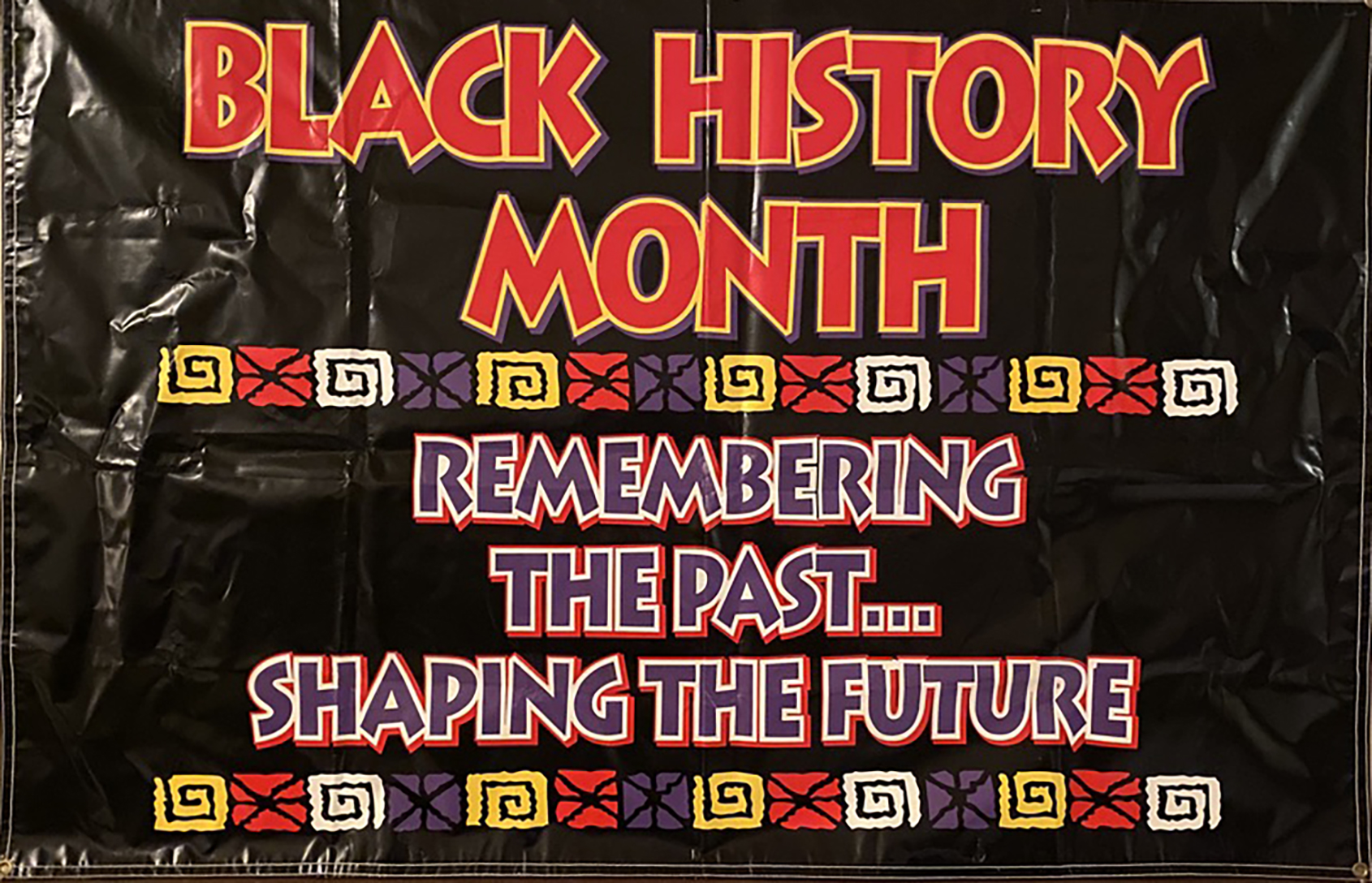
Despite a recent decision by at least one federal agency to halt Black History Month celebrations in 2025, Trinity Washington University remains committed to honoring the observance this February.
The decision comes as at least one agency in the Trump administration issued directives to pause cultural identity months and workplace celebrations of ethnic identities, including Black History Month.
Black History Month, which celebrates Black history, culture, and education, officially began Feb. 1 in communities, museums, and schools nationwide. The observance traces its origins to historian Carter G. Woodson’s creation of “Negro History Week” in 1926, which was later expanded and formalized by President Gerald Ford in 1976. It serves as a time to honor the achievements of Black Americans and reflect on the historical struggles they have faced.
However, under the current administration, the Department of Defense recently announced it would not observe Black History Month in 2025 and placed a pause on other cultural identity months, including Women’s History Month, Asian American and Pacific Islander Heritage Month, and Gay Pride Month.
These changes follow a series of executive orders aimed at suspending government diversity, equity, and inclusion (DEI) initiatives. This shift in policy, coupled with large corporations such as Walmart, Meta, McDonald’s, and Target scaling back their DEI programs, signals a broader national trend challenging the celebration of diversity.
At Trinity Washington University, the spirit of Black History Month remains strong despite these broader political shifts.
Trinity student Kia Ross told Trinity Times that she played Civil Rights icon Rosa Parks as a young schoolgirl during Black History Month many years ago and said that experience provided her with extreme pride in her heritage and an understanding that her African American identity should be valued and celebrated.
“This year’s celebrations feel more solemn, especially given the current political climate and the ongoing debates about diversity and inclusion,” Ross said.
Black History Month was not something “given to us” but rather something the Black community created and claimed for itself, said Kimberly F. Monroe, assistant professor of Africana studies and History at Trinity.
“It was started by Dr. Carter G. Woodson, scholar, author of ‘The Miseducation of the Negro,'” Monroe told Trinity Times. “He had a home right here in Washington, D.C., on 9th Street, which was also the headquarters of the organization – the Association for the Study of Negro Life and History, now the Association for African American Life and History, also known as ASALA, started in 1915 – and later transitioned into Negro History Week in 1926. That was an incredible moment for Black people to just celebrate and commemorate Black history over time and space.”
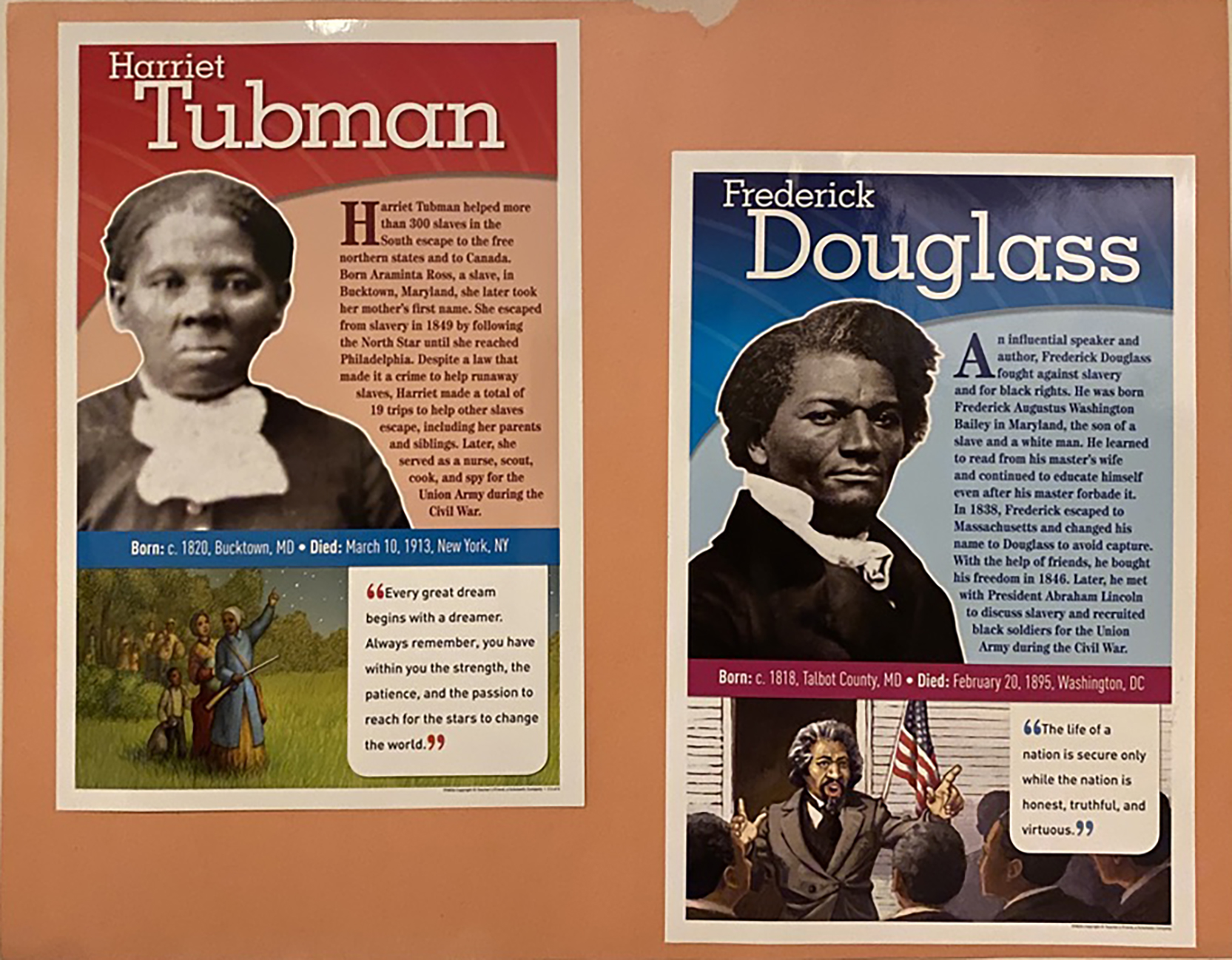
The significance of February, she said, coincides with the birthdays of Abraham Lincoln and Frederick Douglass and was carefully chosen by the Black community to recognize historical milestones in the fight for freedom.
The official Black History Month, she noted, is a relatively new designation in the nation’s history, established in 1976 by the Republican President Ford.
However, Black people were already practicing and studying their history long before it was formalized into a month or national holiday, Monroe said. “The fact that the observance of Black History Month continues today, regardless of federal decisions, reflects the resilience and commitment of the Black community.”
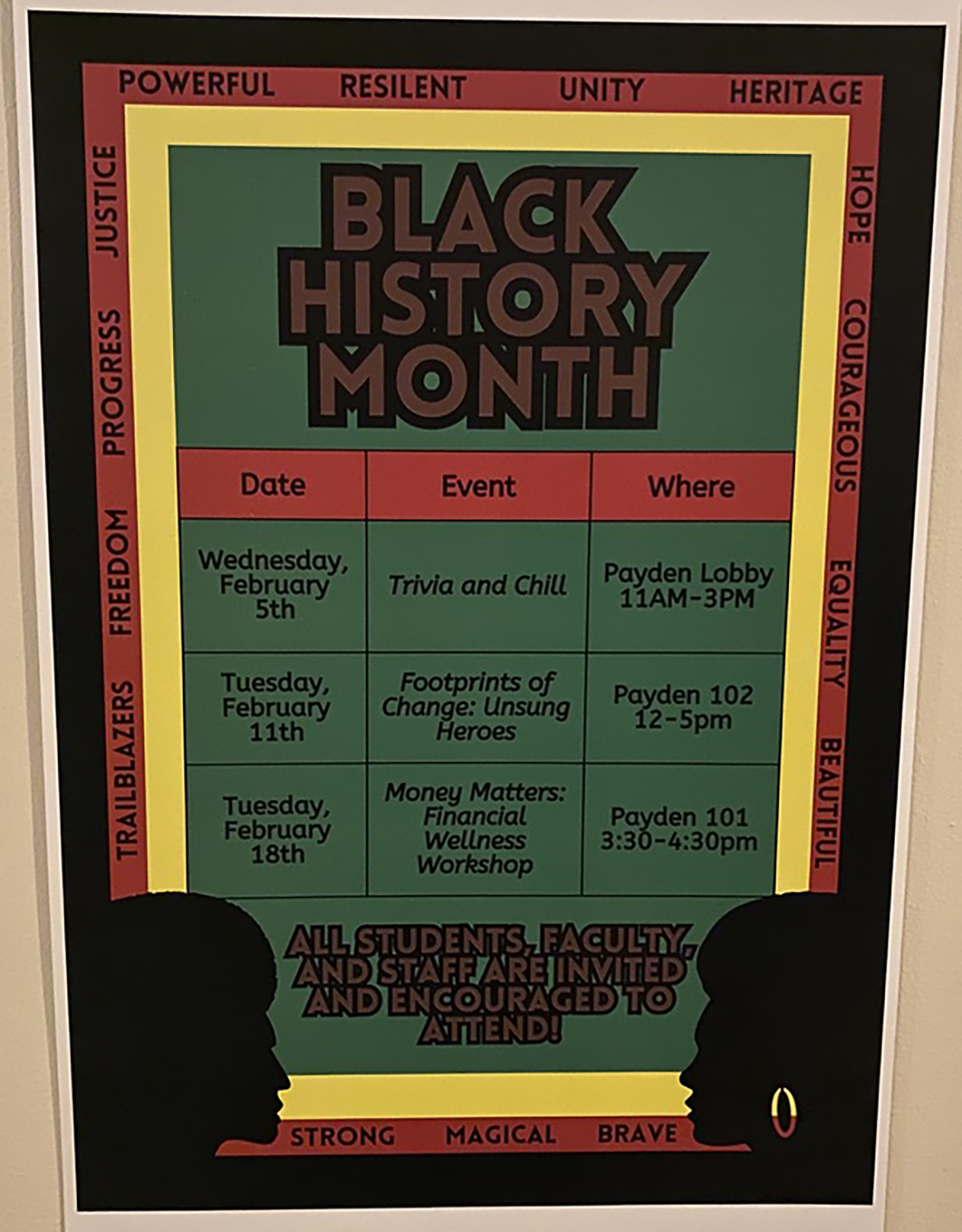
Black History Month celebrations have been happening throughout the month of February this year, including a Black history trivia event, programming in the campus library called the Black excellence vibe, along with a series of displays set up throughout the university, said Trinity Provost Carlota Ocampo.
“Also, the Family Library has a Black history display for children,” Ocampo told Trinity Times. “The library is also going to be doing music; what they’re calling listening sessions. It’s going to be a ‘Trinity Reads’ listening session. They’re going to be playing music from different Black artists throughout the history of music, and everyone’s just going to listen and reflect on the greatness and excellence that has produced such beautiful creativity and art, oftentimes out of, you know, literally almost nothing.”
Trinity’s Black Student Alliance is also setting up a display, some of which focuses on the university’s history of integration and some of the first Black students enrolled at the 125-year-old institution of higher education, Monroe said.
“They’re also going to throw in some other historical figures that are very significant,” she said, “to the history and study of African Americans. So, yes, there is a lot happening.”
While political debates around diversity and inclusion continue to shape the national conversation, Trinity’s commitment to honoring Black History Month underscores the importance of preserving this tradition for current and future generations.
As the celebration continues at Trinity, Ross and other students remind the community that Black History Month — like the history it honors — will endure, whether it is officially recognized by the federal government or not.