By Gisel Jimenez
Trinity Times Correspondent
For Trinity Washington University freshman Tatiana Umanzor-Alvarez, the healthcare crisis is not an abstraction – it arrived as a denial letter.
Umanzor-Alvarez’s mother, Leyda Alvarez, had been turned away from free health coverage from AmerihealthCaritas because she “earned too much.” Now, new federal policies poised to reshape Medicaid could affect millions of Americans.
“She isn’t earning enough to be able to pay bills, buy groceries, and pay for health care on top of that,” Umanzor-Alvarez told Trinity Times.
The One Big Beautiful Bill, officially known as Public Law 119-21, signed into law on July 4, 2025, includes significant reductions to Medicaid and SNAP funding. Families like Umanzor-Alvarez’s could feel the repercussions.
According to a June 4, 2025, Congressional Budget Office analysis, the legislation could leave nearly 12 million people without health coverage by 2034. Some policy analysts say the bill’s tax provisions could disproportionately benefit higher-income households.
Medicaid is often thought of as a single coverage plan, but the government and each state are responsible for the funding that enters the 56 jurisdictions (50 states, the District of Columbia, and five U.S. territories), therefore changes to federal funding will have uneven effects on families.
In the case of Trinity students, many rely on their families’ coverage plans, Medicaid, or their own private insurance.
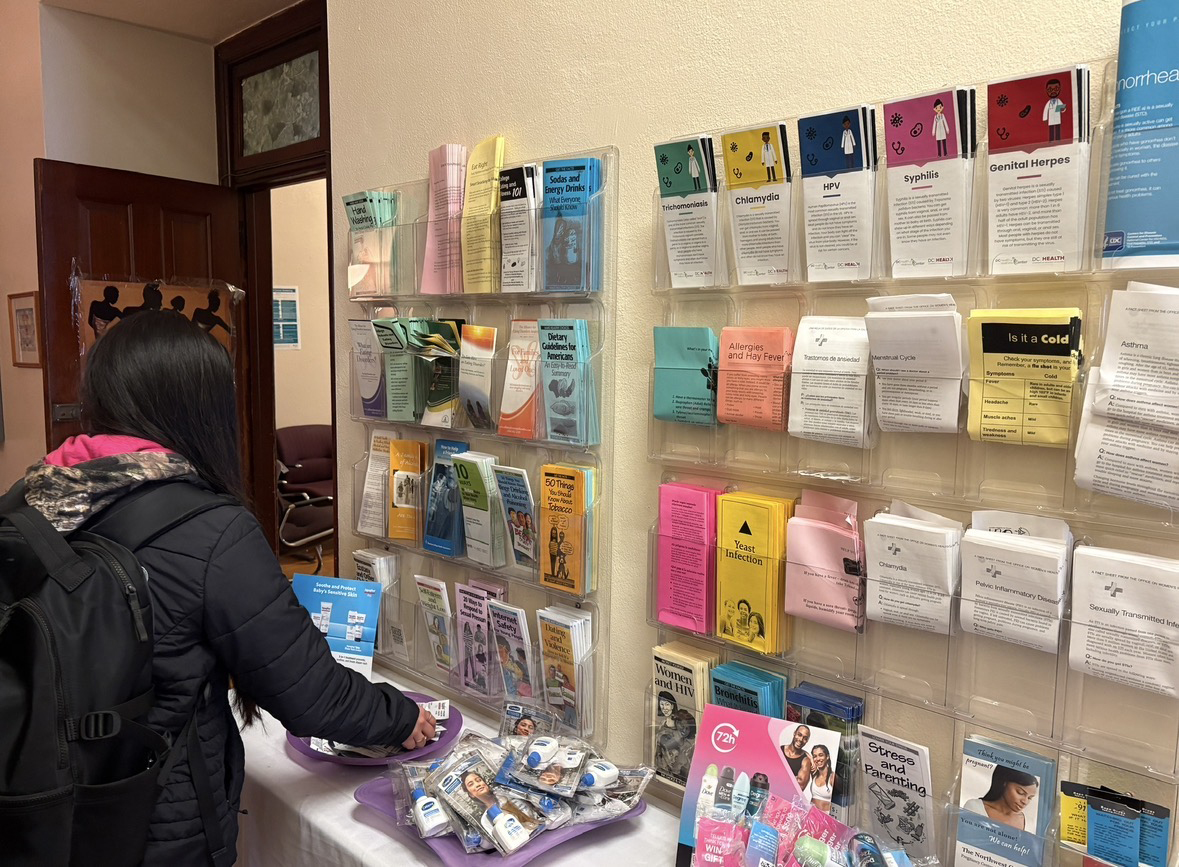
Trinity has an option for students who need on campus support – the Health and Wellness Center, which provides a range of medical services, including routine and sports physical examinations, treatment for acute illnesses, health navigation and even mental health care. Students may examine the current state of their being – weight, temperature, blood pressure, vision. A full list of available services is posted on Trinity’s website.
The One Big Beautiful Bill has brought new policies to the table. According to the bill, under Public Law 119-21 Section 7119, adults must complete at least 80 hours a month of work or community engagement to remain eligible for Medicaid coverage. Section 77102 also establishes a more frequent renewal process, requiring beneficiaries to reapply for coverage every six months.
For people already struggling to get by, the new requirements could mean relying on technological services to ensure their 80 hours are reported – a process some advocates say may prove difficult to manage. For Trinity students the added paperwork and more frequent renewals could bring additional stress to already demanding schedules.

For Hellen Cardona-Lara, a Trinity student living with a chronic illness, changes to health coverage directly affect her care and treatment.
“I have an autoimmune disease which is called Juvenile Arthritis, and I have asthma as well,” Cardona-Lara said. “When first being put on Medicaid, many of my medications had to be changed to more “off-brand” ones and other cheaper medicines would halt my progress to getting better.”
That switch from Amerihealth Caritas to D.C. Medicaid drastically changed how long Cardona-Lara needed to wait for medication or even see a specialist.
“Even though I was given ‘cheaper options,’ I still had to pay out of pocket sometimes,” she said. “I also did not have to wait for my doctors to find alternative medication for me when I was on my old insurance. I cannot imagine how someone who does not have any health insurance would do to deal with these issues.”
With pandemic-era Affordable Care Act subsidies expired and Congress not renewing them, some Americans are facing higher premiums and the risk of losing coverage altogether.
At Trinity, Angela Anderson, a nurse practitioner and director of the Health and Wellness Center, said the impact is becoming increasingly visible.
“Students who used to get their prescription medication elsewhere have asked if they can get it here at Trinity,” Anderson told Trinity Times.
She connected the increased amount of students asking for their medication on campus to the healthcare system shift under the Trump Administration.
The Health and Wellness Center does not bill students or require proof of insurance. Students who lose coverage under the new regulations could still turn to the Health and Wellness Center for primary care services. Anderson said she does her best to take care of every student but there are limits to what the clinic can provide.
“I’m limited in the laboratory and diagnostic services I can offer,” she said.
The director of the Health and Wellness Center said the shift reflects broader changes in the healthcare system that are affecting access to medications and services.
“It affects more than just healthcare – people need to understand what’s in the bill and how it could shape access to care across the country,” Anderson said.
For Umanzor-Alvarez, those changes feel personal.
“I hope students are aware of the additional support Trinity provides to their students,” she said.
Umanzor-Alvarez said understanding the changes – and knowing where to find support – may be as critical as the care itself.