
By Taylor Johnson
Trinity Times Correspondent
For three Trinity Washington University students with family ties to Nigeria, access to education is more than an academic opportunity. It is a pathway to economic independence, better health and stronger communities — benefits that remain out of reach for millions of girls in Nigeria.
More than 50% of girls in Nigeria are not attending school at the basic education level, according to UNICEF. An estimated 7.6 million girls are out of school, including 3.9 million at the primary level and 3.7 million at the junior secondary level.
The consequences extend beyond the classroom. Girls’ education is associated with higher household incomes, improved health outcomes and greater economic opportunity, according to the Organisation for Economic Co-operation and Development.
At Trinity, a historically women’s university, these issues resonate with students whose family backgrounds and educational experiences shape how they understand opportunity and the importance of higher education. Their perspectives also reflect the challenges first-generation college students can face while navigating academic expectations and finding the resources they need to succeed.
Trinity Times spoke with three students about their Nigerian connections, educational journeys and hopes for the future. Their responses highlight how educating girls can benefit not only individuals but also their families and communities.
The interviews have been edited for clarity and length.
Princess Garuba
Sophomore — Nursing
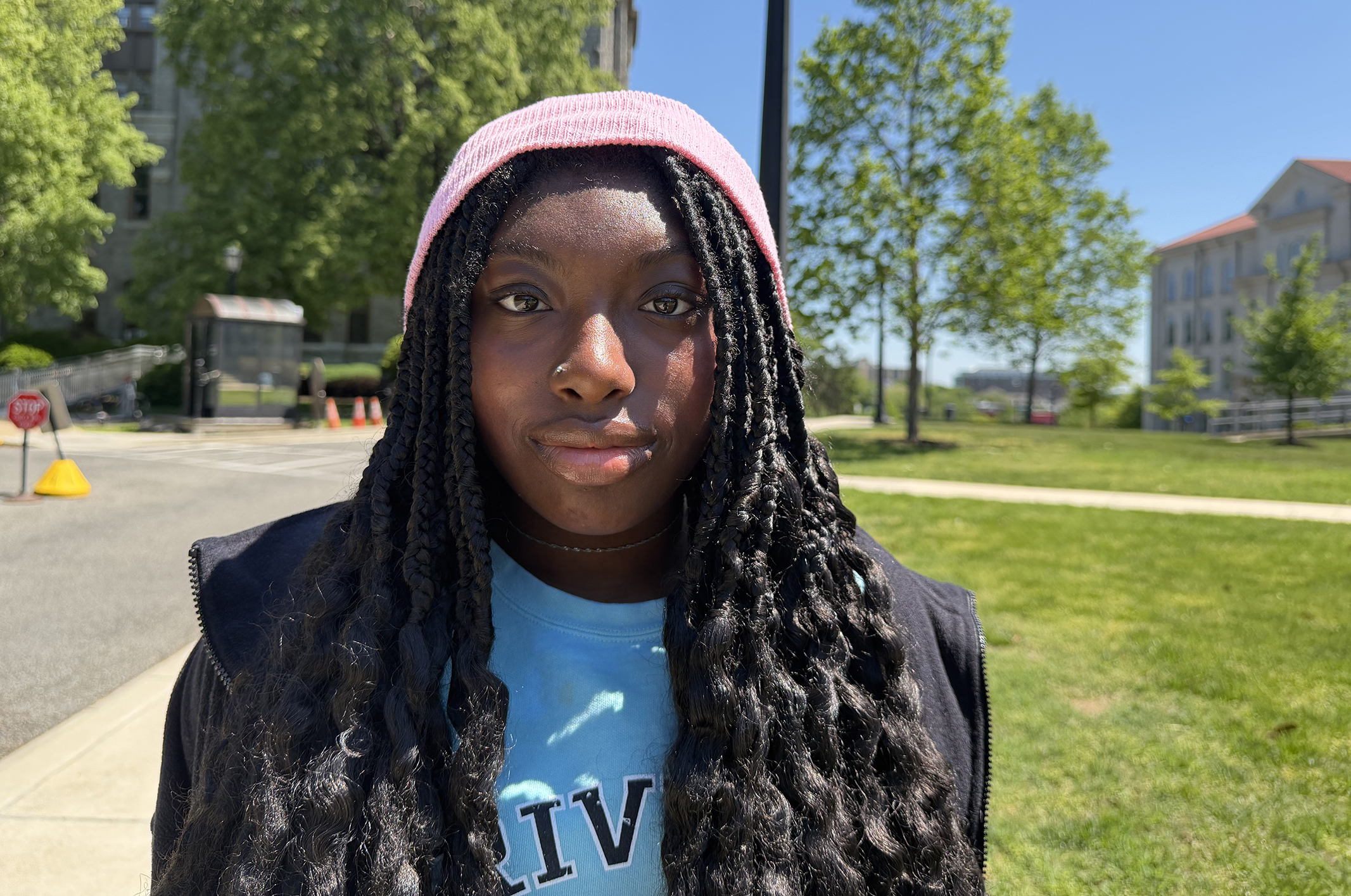
What can you tell me about your background?
Both of my parents are Nigerian. I was born in D.C. and raised in Maryland. My mother is Edo from Edo State, and my father is Hausa.
They met in Lagos. Nigerian food is a big part of my life. My favorite dishes are pounded yam with egusi or ogbono, pepper soup, meat pie and jollof rice.
I also love going to Nigerian weddings because everyone wears agbada, there is amazing food, and you get to dance and enjoy the music.
Do you think girls’ education creates long-term health improvements, short-term improvements or both?
I think it creates both. I am here to become a nurse, and if I am successful, I will be saving lives.
Many women in health care, whether in administration or working directly with patients, contribute to improving health outcomes.
Education can also help break the cycles of poverty. When women earn more income, families have better access to housing and food. Better nutrition leads to better long-term health.
What could colleges do better to support first-generation and immigrant-background students in demanding majors like nursing?
I would say to just provide as many resources as possible.
Don’t assume that we can figure it all out on our own.
We are one of the demographics in a college space that need the most help financially and even mentally, and it helps to feel acknowledged and supported.
Based on what you have learned in nursing, what changes most when girls stay in school longer?
Your brain is making more connections and you are strengthening neural pathways.
This means you are getting better at retaining information and that can change the way we carry ourselves and make decisions in your life.
How much impact does girls’ education have on reducing poverty and improving family well-being?
Knowledge is power: educating girls can definitely contribute to reducing poverty. It gives us opportunities and opens doors to higher paying jobs.
And you never know how the skills we learn in an academic setting can help at home with anything else a family member may need or be going through.
Millicent Okoro Kelechi
Senior — Biochemistry
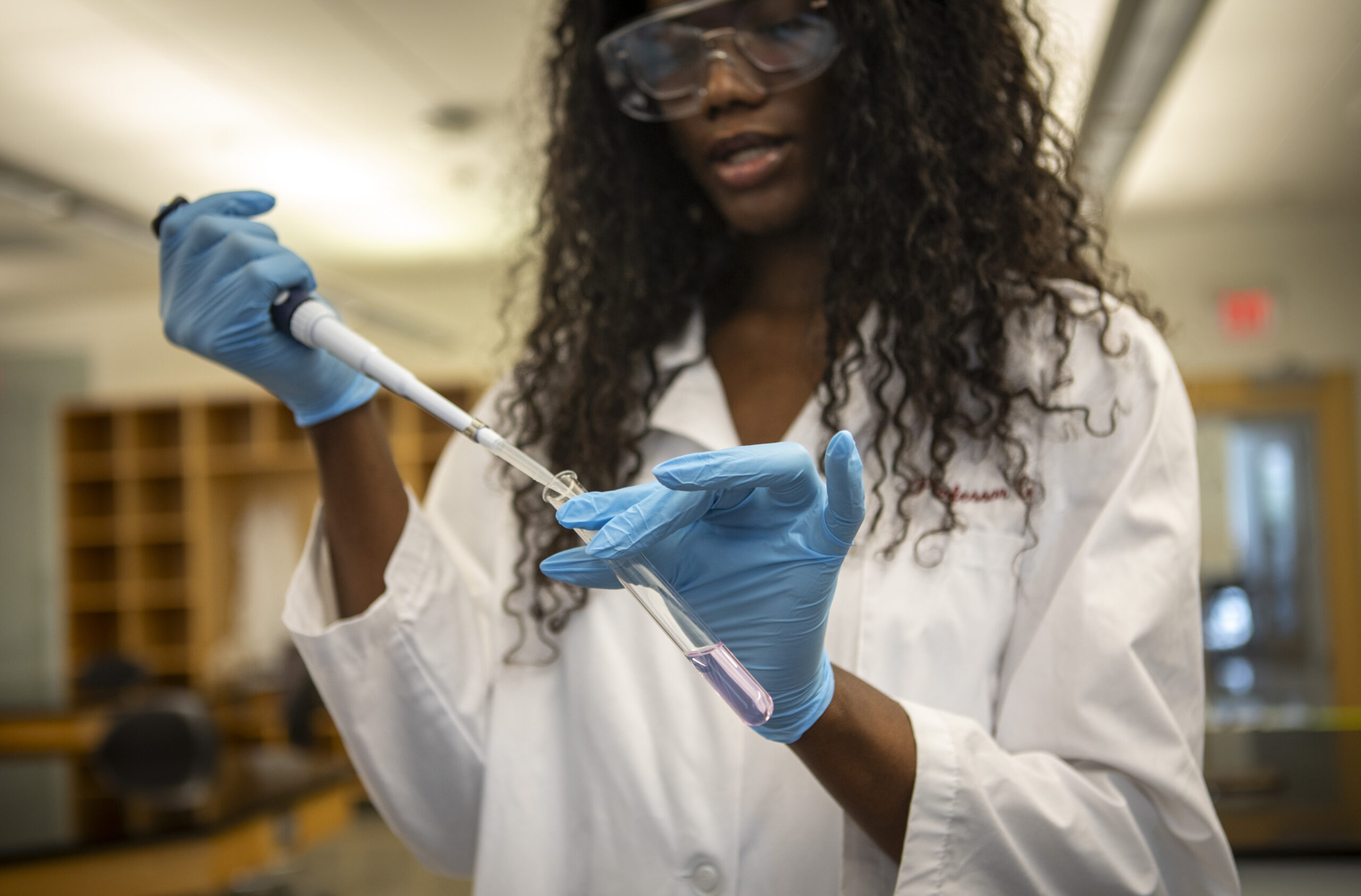
What has your experience been like as a first-generation college student, and how has your mother’s Nigerian background shaped your approach to education and success?
Being a first-generation college student has meant learning a lot independently, from navigating academics to understanding opportunities my family didn’t always have access to.
It’s been both empowering and challenging because there isn’t always a roadmap. My mother’s Nigerian background really shaped my mindset toward education. Education wasn’t optional; it was seen as stability, dignity, and opportunity.
Watching her resilience, especially after difficult life experiences, taught me discipline, faith, and perseverance.
That perspective makes me approach success not just as personal achievement but as something that uplifts family and community too.
What challenges and turning points have you faced?
When I first entered college as a nursing major, I faced academic pressure, adjustment challenges, and moments of self-doubt, especially balancing coursework, work, and personal responsibilities.
A turning point was realizing I needed to study smarter and ask for help and use all the resources Trinity has.
I started using structured study schedules, tutoring, peer collaboration, office hours – the office hours helped me a lot! That shift improved both my grades and confidence.
Eventually, I discovered my deeper interest in the science behind patient care, which led me to transition toward biochemistry.
That decision helped align my passion for healthcare with research and long-term impact.
How does your identity show up in your campus involvement?
My identity shows up in how I mentor peers and encourage those around me.
I often focus on encouraging other first-gen or immigrant students, especially the ECA [Early College Academy] students.
It’s important to me that people see someone who looks like them navigating higher education successfully.
I am not special; I am just like everyone else just with an insane passion to be successful.
From your perspective, how does girls’ education influence economic and social development in countries like Nigeria?
This question is dear to me. Educating girls has a ripple effect across economic and social development.
When girls are educated, workforce participation increases, which boosts economic growth. Child marriage and maternal mortality rates tend to decrease.
Families invest more in health, nutrition, and future education.
Education also shifts cultural expectations and it gives girls agency, decision-making power, and long-term stability.
How do you think educating girls impacts health care outcomes and community well-being in developing countries?
Educated women are more likely to access healthcare services earlier, understand preventative care and reproductive health and advocate for their children’s health and nutrition.
This reduces infant mortality, improves vaccination rates, and strengthens community well-being overall.
Education essentially becomes a public-health intervention.
Esther E. Joseph
Junior — Biology
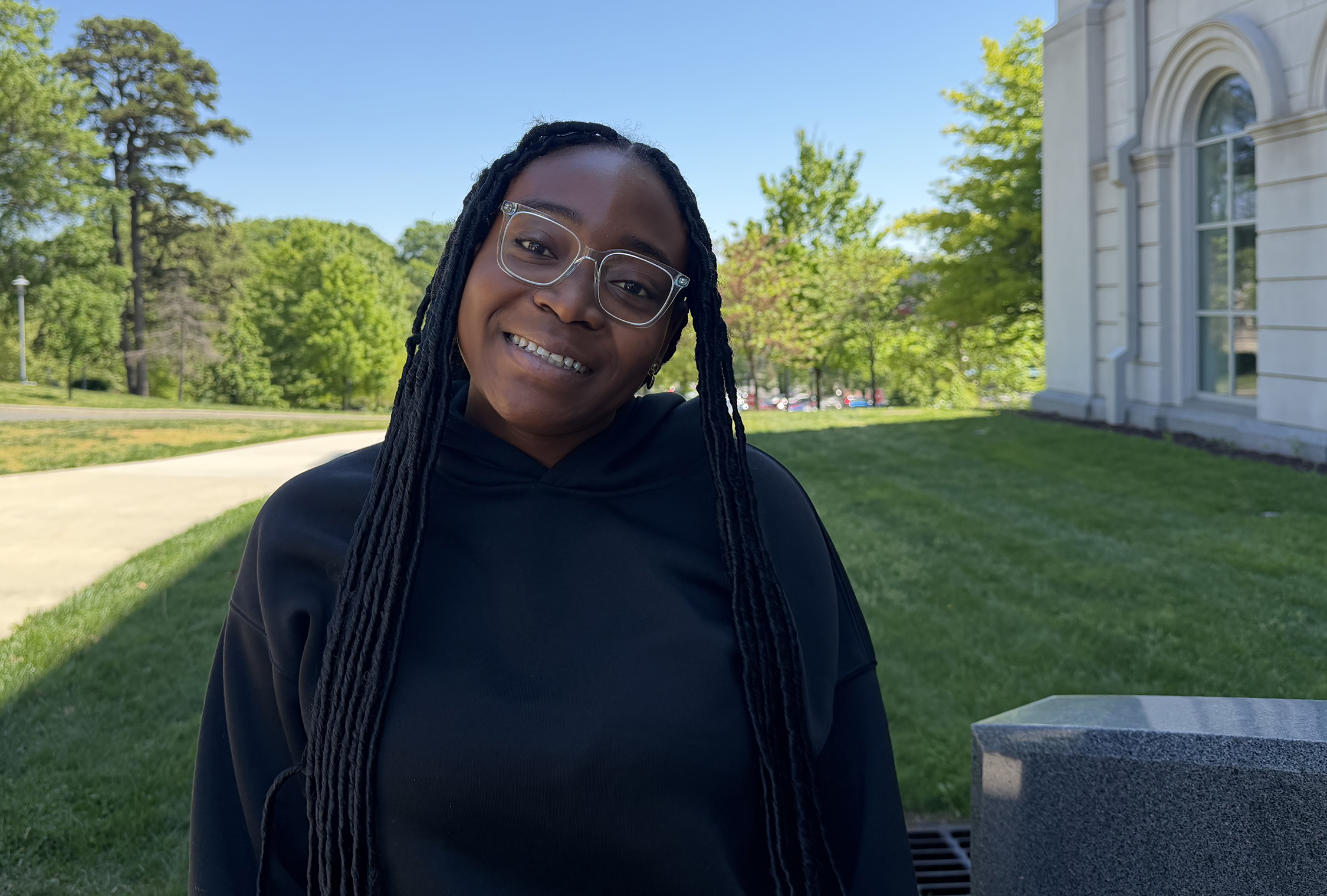
Tell me about your studies here at Trinity.
I’m a Biology major at Trinity Washington University and a first-generation future doctor, which has shaped how I see education and opportunity.
Growing up, I learned early that access to education isn’t equal for everyone, and I’ve seen how much of a difference it can make not just for one person, but for an entire family.
Being at Trinity and being involved in leadership and tutoring has reinforced my belief that investing in girls’ and women’s education is one of the most powerful ways to create lasting change in communities.
If a country like Nigeria had limited funding, how strongly should it prioritize girls’ education compared to other development investments?
Even with limited funding, girls’ education should be a top priority because it multiplies the impact of every other investment.
Overall, how large of an impact do you think girls’ education has on national development?
I think girls’ education has a major impact on national development because it affects health, economic growth, and social stability all at once.
When girls are educated, communities see lower poverty, better healthcare outcomes, and stronger leadership. It’s one of the most powerful tools for long-term national progress.
How do you see the value of girls’ and women’s education reflected at Trinity Washington University?
At Trinity Washington University, the value of women’s education is reflected in how leadership, confidence, and academic excellence are actively encouraged.
As a student, I see women being prepared not just to succeed in careers, but to lead and advocate for change in their communities.
The environment makes it clear that educating women is seen as investing in impact.
From your experience, how does higher education empower women to improve their families’ and communities’ well-being?
Higher education gives women knowledge, confidence, and opportunities that allow them to support their families more effectively and make informed decisions.
It also positions them as role models and leaders who can advocate for better health, education, and resources in their communities.
That impact often extends far beyond just one household.
For Garuba, Kelechi and Joseph, education represents more than earning a degree. Their experiences at Trinity reflect the opportunities that become possible when women have access to education — and underscore what is at stake for the millions of girls in Nigeria who remain out of school.