By Destiny Gantt
Trinity Times Correspondent
At Trinity Washington University, where 99% of students receive financial aid, style often meets the reality of a student’s budget. On college campuses more broadly, that reality is shaped in part by fast fashion, the mass production of inexpensive clothing for a rapid turnover. Well-known companies like SHEIN, Fashion Nova and H&M have built their brands on selling these low-cost, trend-driven items to budget-conscious consumers.
The ultrafast fashion brand SHEIN heavily markets to college students through its campus ambassador program, designed for “dynamic, fashion-forward, and socially active college students who wish to bring the world of affordable, trendy, and sustainable fashion to their campuses.” SHEIN also advertises student discounts, particularly during the back-to-school season, which further positions it as an accessible and affordable option for college students.
Fast-fashion consumers may save money in the short term, but the long-term effects have broader implications for the environment, including impacts on climate change, natural resources and water supply. Fabrics such as cotton, polyester and other synthetics are commonly used in fast-fashion clothing, each requiring different amounts of water, energy and processing.
“It’s frustrating to me that there is a lack of transparency,” said Patrice Nielson, an assistant professor of environmental studies at Trinity.
Recent growth in the fast-fashion industry has caused the depletion of nonrenewable resources, emission of greenhouse gases and the use of massive amounts of water and energy. The fashion industry stands as the second-largest consumer of water after agriculture. Overconsumption plays a major role in the fashion industry’s high level of resource use.
Nielson said clothing waste, especially from fast fashion, poses serious ecological challenges.
“When you get fast-fashion clothes that are trendy for a really short period of time or they’re inexpensive — people buy a bunch of them,” she said. “[They] wear them a few times, then throw them away, and that ends up in landfills.”
Sustainable fashion refers to brands that prioritize ethical practices like upcycling, sustainable textile materials, ethical working conditions, environmental stewardship and social responsibility.
Catherine Owusu-Brinfour, a biochemistry major and president of the Sustainable Initiatives Club, said if people know how to work with the fashion pieces they have, that clothing will last.
Owusu-Brinfour advises her fellow students to use discretion when purchasing fast fashion if more sustainable brands are too expensive.
Consumers often influence emerging styles, and brands track social media engagement to research shoppers’ interests. A 2025 research study published in the Academy of Marketing Studies Journal found that “micro-influencers showed higher engagement rates than celebrity influencers,” highlighting how online interactions can start trends.
The fashion brand Juicy Couture, known for its early 2000s OG Bling Velour tracksuit, serves as a prime example of how brands are influenced by consumer trends. These high-quality velour sets ranged between $150 to $200, and by 2008 to 2009, sales declined.
An affinity for vintage fashion, especially among Generation Z consumers, contributed to Juicy Couture’s resurgence during the COVID-19 pandemic. By 2024, the brand generated $24 million in revenue.
For some Trinity students, the repercussions of fast fashion may not be a primary consideration when purchasing clothes.
Some college students struggle to afford basic life necessities. According to a Temple University article, nearly one in five students reported that “they certainly, or probably, could not come up with $500 if they faced an unexpected financial need in the next month.”
For students managing tuition, housing, food and other expenses, clothing may become a secondary priority. Affordability can play a significant role in purchasing decisions, especially for students who may be balancing multiple financial responsibilities.
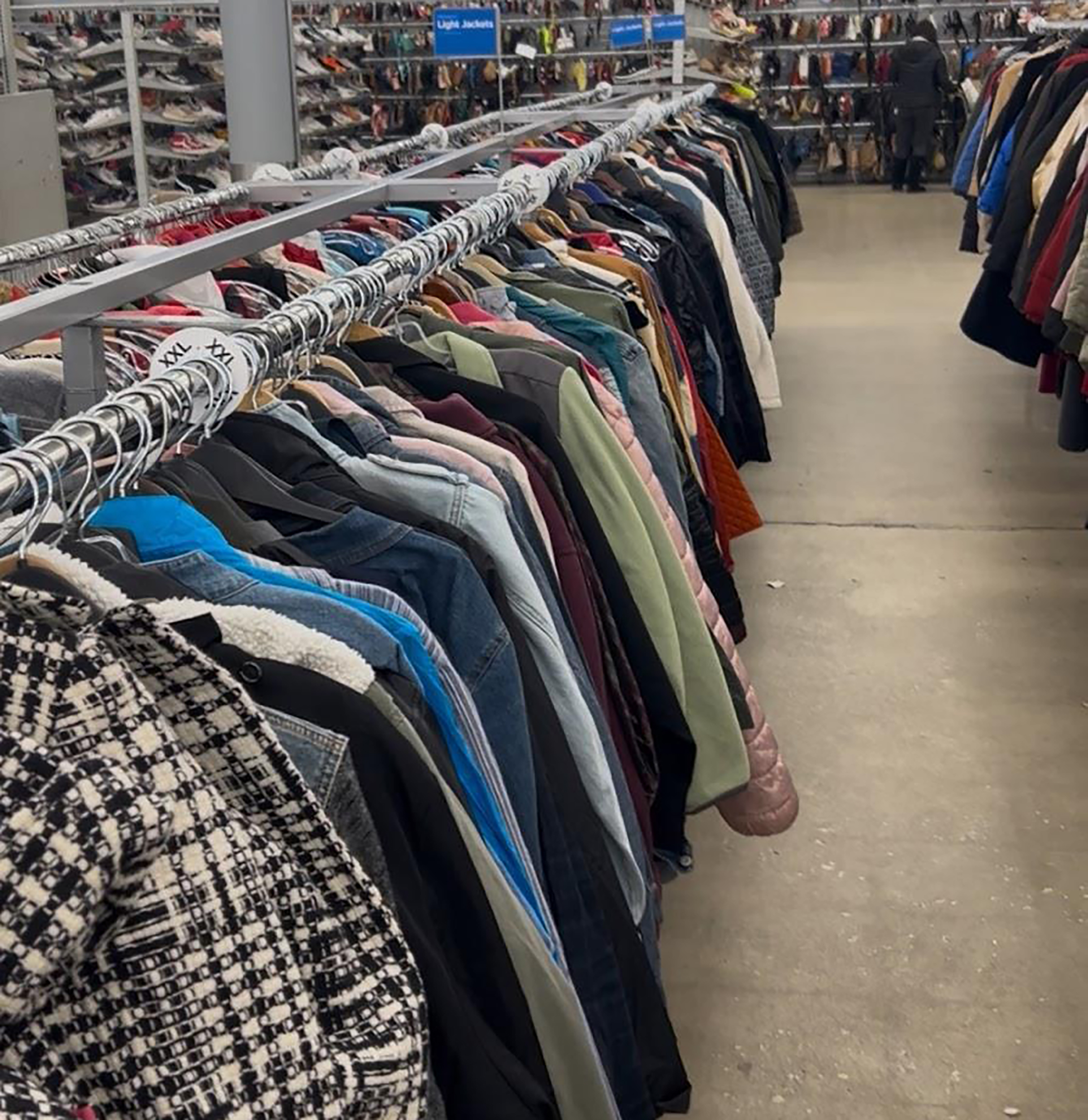
Sustainable clothing is more expensive but is often considered more environmentally friendly. Thrift stores offer an alternative shopping option. Thrifting refers to the purchase of used items at discounted prices and can be found at many secondhand shops in and around Washington.
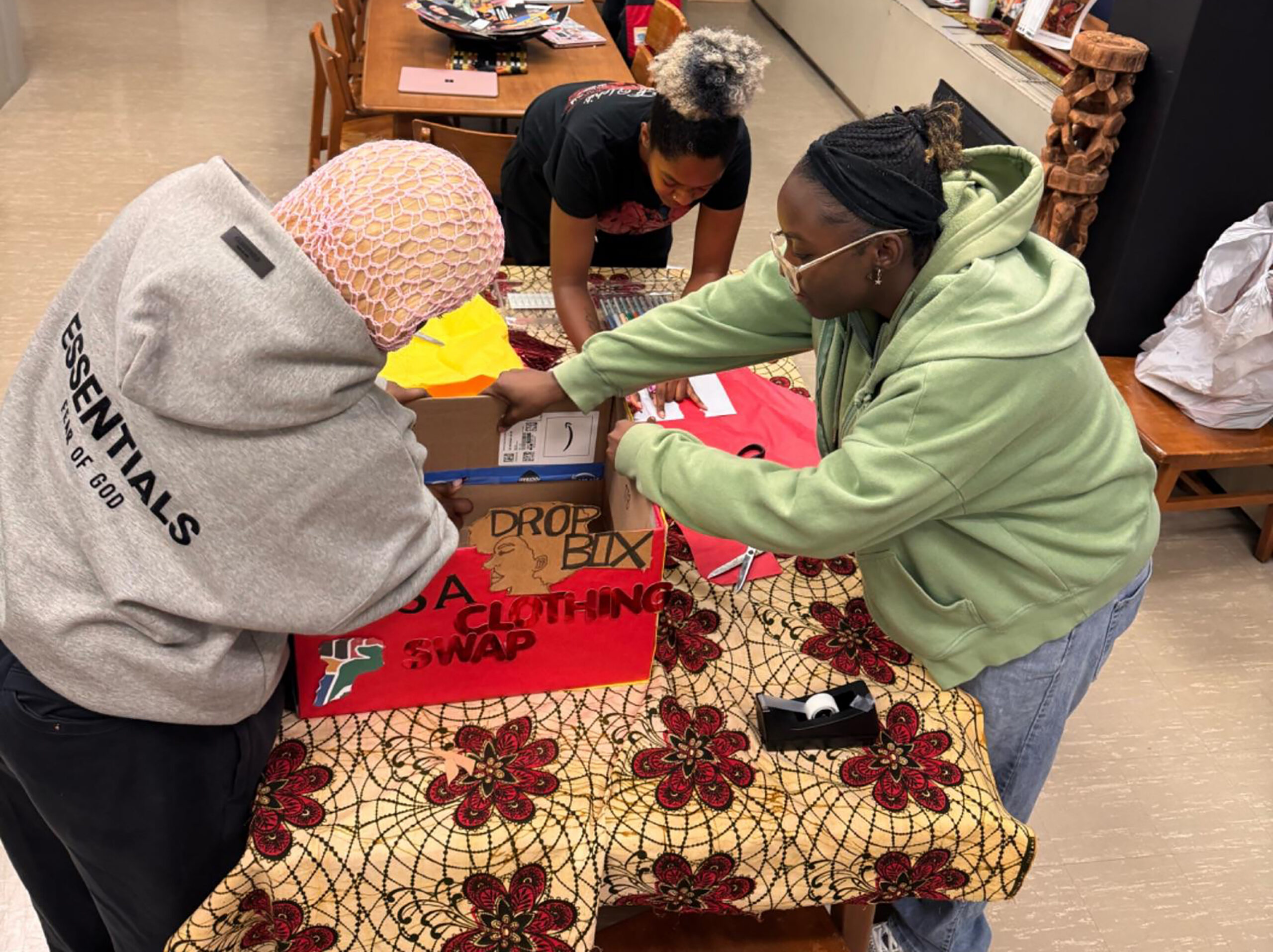
At Trinity, the Black Student Alliance is actively promoting sustainability by hosting clothing swaps, where students can exchange clothes they no longer want or need among themselves.
“We just understood that as college students, we’re all limited in our ability to purchase clothing,” said Anastasia Tomlinson, a junior politics and policy major who serves as the president of the BSA.
“There is a need,” she added. “Students need professional clothing for presentations, interviews and internships.”
Students can reduce fast fashion waste through more intentional wardrobe management. Clothing can be styled and restyled in various ways, and social media platforms like Pinterest offer new approaches to creating fresh looks from items consumers already have in their closets.
“Sometimes you may like a certain style,” Owusu-Brinfour said, “but we should also think about the longevity of the items that we purchase.”