By Tanzania Kennedy
Trinity Times Correspondent
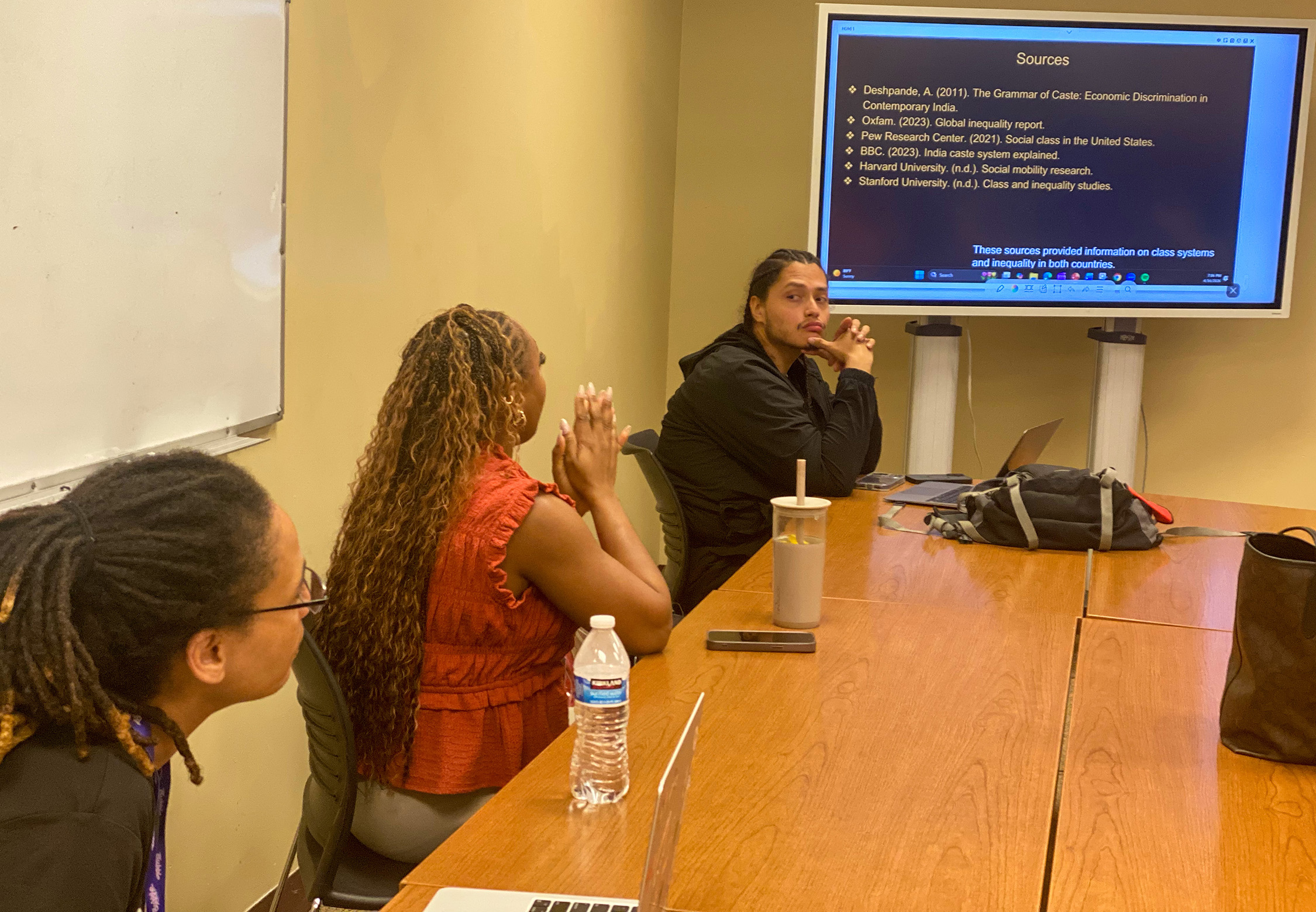
For 20 years, Trinity Washington University has demonstrated that a university is more than its stone gates and historic halls. By establishing roots nearly 10 miles from its main campus, Trinity has remained true to its founding mission of providing access to students in communities that are often overlooked.
Trinity Washington University is expanding access to bachelor’s degrees through its campus at the Town Hall Education Arts Recreation Campus, or THEARC, in Southeast Washington, offering flexible pathways for students in communities often underserved by traditional higher education.
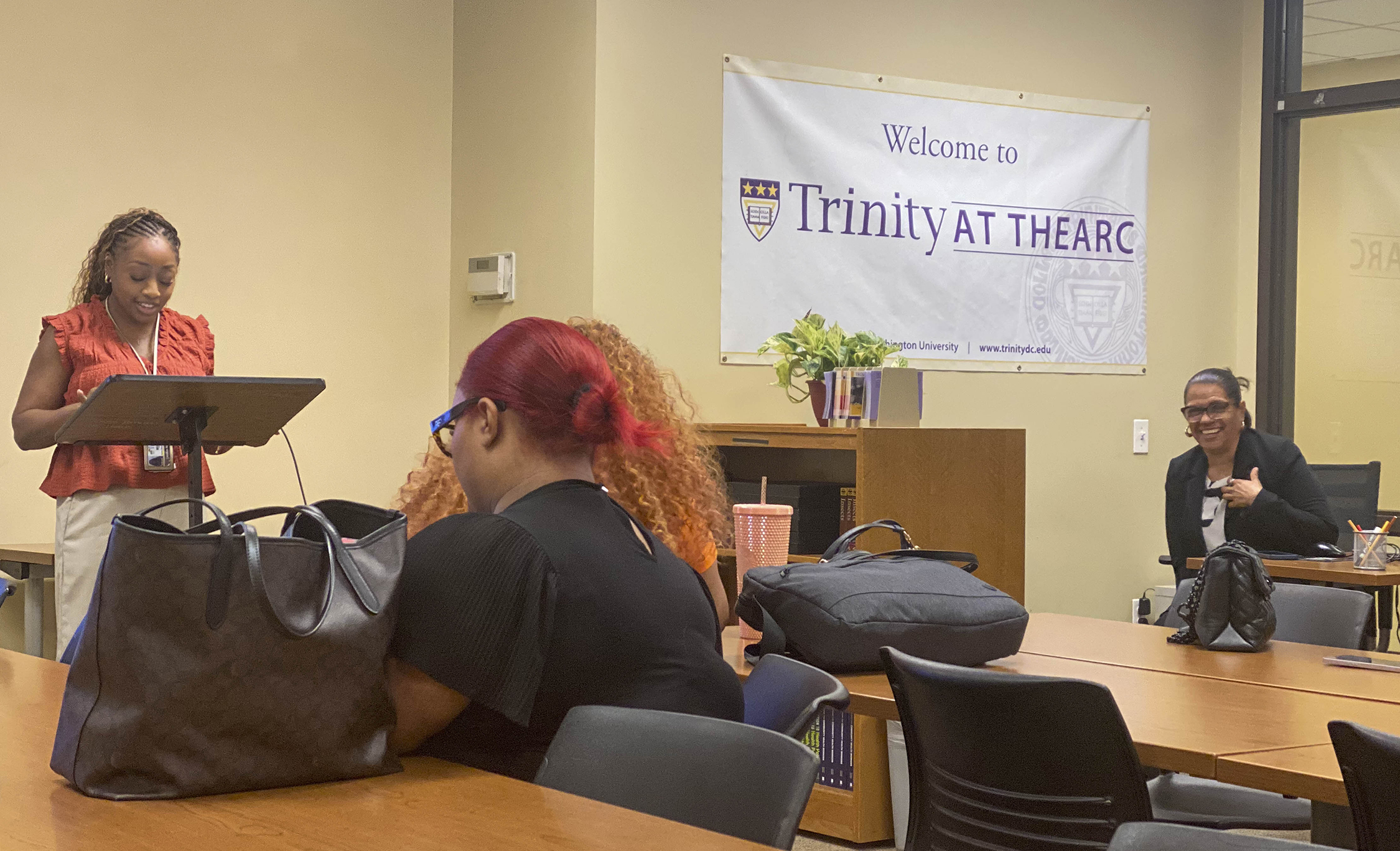
The learning environment is intentionally different from a traditional college setting, said Cristina Lynch, program director for Trinity at THEARC and assistant dean of the School of Professional and Graduate Studies. The partnership is “Trinity’s best-kept secret,” she told Trinity Times.
Small class sizes allow for individualized attention, with academic advisers and professors working closely with students to create personalized academic plans tailored to their goals. Lynch said the supportive environment plays a critical role in student growth. Over time, many students develop a sense of confidence and perseverance that shapes both their academic and personal lives.
“Students begin to develop a ‘yes, I can’ mindset,” Lynch said, describing how consistent encouragement and mentorship help students move past self-doubt and stay committed to their goals.
Carletha Cheeks-Wilks, a sophomore pursuing an associate degree in general studies, said she chose Trinity at THEARC after years of delaying college.
“One of the reasons I chose THEARC campus is because I’ve been prolonging getting a degree for the last decade,” she said. “I decided to find a university that does general studies and start, to see how far I could go.”
For Cheeks-Wilks, the local campus offered something a traditional university could not: stability. After setbacks and withdrawals from multiple universities, she found THEARC to be the support she needed to persist.
“THEARC provided so much stability for me that no university ever offered,” she said. “I tell my co-workers that THEARC is one of those places you can start, no matter what your level of experience is, and you can grow from it.”
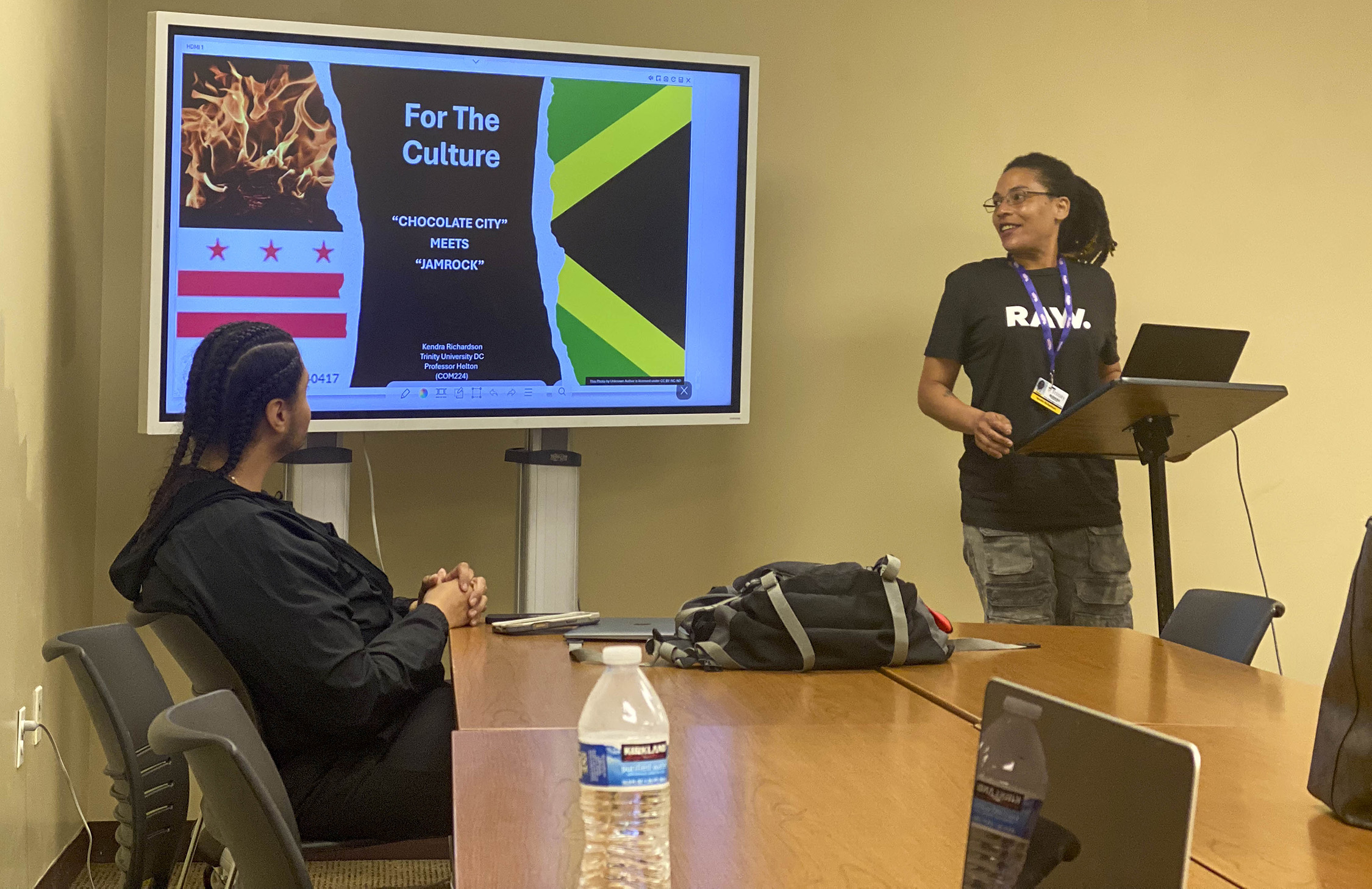
One of the professors who made a lasting impact on Cheeks-Wilks was adjunct professor Candice Helton, who teaches at both Trinity’s main campus and THEARC location. Helton also earned a master’s degree in strategic communication and public relations from Trinity Washington University.
“She gave us key points that you need in everyday life, at work and at home,” Cheeks-Wilks said. “She’s always open, you can message her at any time, and she’ll give you a different outlook on how to approach things. There are several other professors I learned a lot from at THEARC, but she’s one of the best.”
Helton said THEARC plays an important role in expanding access to education in Southeast Washington.
“The significance of having a satellite campus is that we can provide as much access to education as possible for our community, including those who may not have the ability to get across the (Anacostia) River, we have to meet them where they are,” Helton said.
Designed to serve communities often overlooked, Trinity at THEARC is open to residents of Washington’s Wards 7 and 8, bringing higher education directly into the neighborhood. Helton said creating a welcoming environment is central to her teaching approach.
“I make the commitment to come down and educate,” she said. “But I know my students are also coming off of their own challenges just to get here. So the environment is very important to me to make it cohesive, open and welcoming to them, even in the virtual space. I really do try my best. So THEARC is a very special place, because I think it’s an opportunity to bring education to all.”
Located on Mississippi Avenue in Southeast Washington, THEARC serves as a hub for 14 nonprofit organizations.
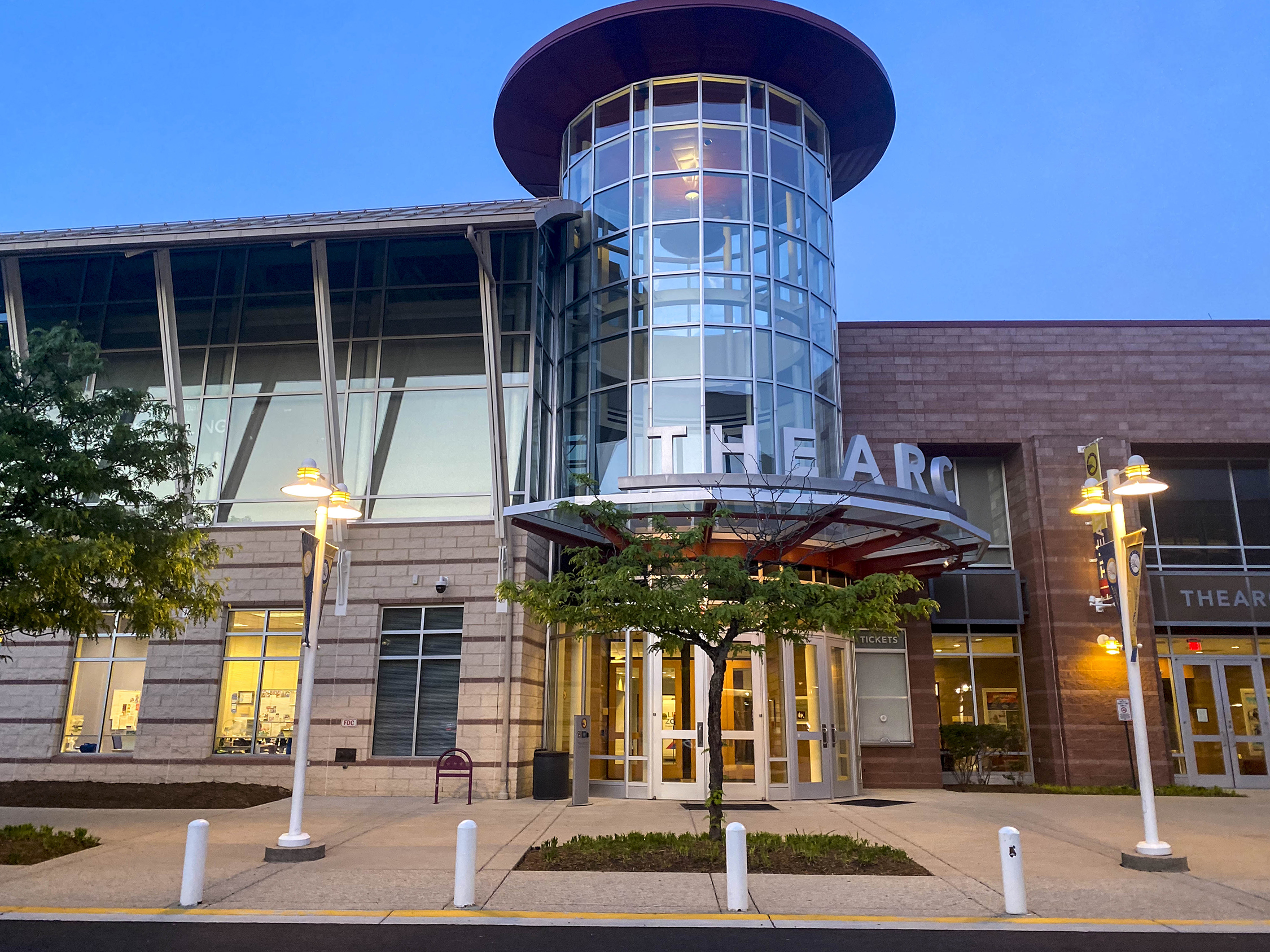
A few years ago, Trinity and the Washington School for Girls shared the same space. Younger students used the 25-seat classroom during the day, and Trinity students attended classes there in the evenings, Lynch said.
The campus also features two theaters, a community farm, a children’s hospital and several other facilities designed to create an ecosystem that brings together health, arts and education.
For students like Cheeks-Wilks, that access means more than convenience – it represents opportunity and determination.
“I was never a person who once I started something I didn’t finish” Cheeks-Wilks said. “I always see it through.”
Her words reflect the mission of THEARC: creating a space where students are not only given access to education, but also the support needed to finish what they started.