By Katherine Amaya-Ventura
Trinity Times Correspondent
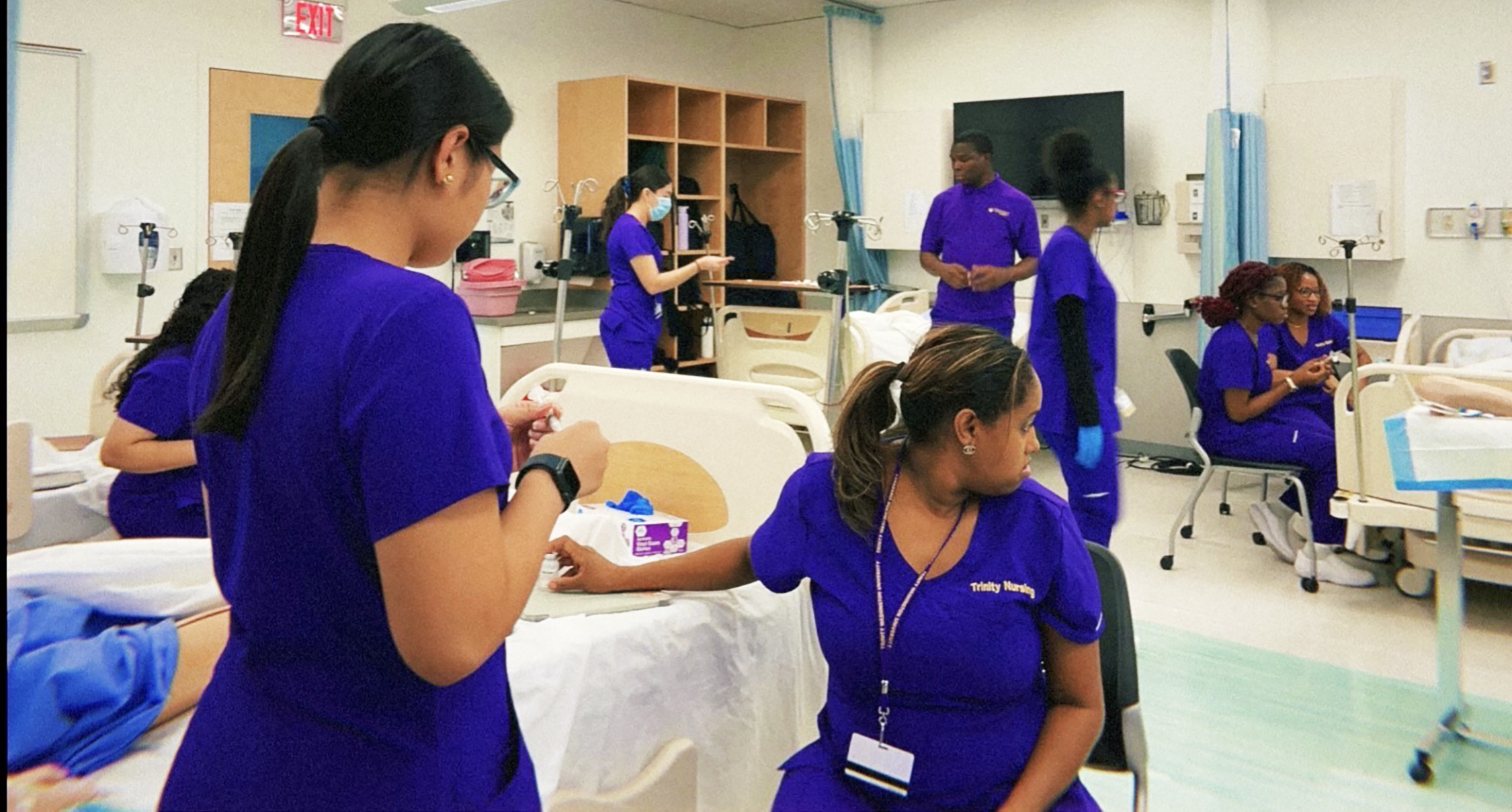
Like many women in the United States, Trinity Washington University senior Fanny Martinez Sosa was alarmed when the U.S. Supreme Court overturned the constitutional right to an abortion in 2022. The 22-year-old nursing major wondered how the decision would affect women’s mental health.
Martinez Sosa suspected that the abortion bans and restrictions that followed the Dobbs v. Jackson Women’s Health Organization decision in several states would deepen the stigma surrounding the procedure — and add to mental health challenges.
While abortion laws can influence mental health outcomes, many experts believe those outcomes are shaped more by external pressures such as stigma, societal expectations, access to care, and personal circumstances.
The issue has sparked discussion among students and health care professionals at Trinity, who hold a range of views on what truly drives mental well-being.
A 2022 study published in The New England Journal of Medicine titled “Mental Health Implications of Abortion Restrictions for Historically Marginalized Populations” found that women who seek abortions often experience “poorer baseline mental health” compared with those who do not. The study also showed that mental health outcomes were worse for women with a history of psychological conditions and for those who perceived high levels of abortion stigma.
Researchers analyzed data from 353 women seeking abortions at three community reproductive health clinics. Prior to any mention of stigma, symptoms of depression, anxiety, and stress were present at rates of 18.6%, 20.7%, and 16.8%, respectively. After introducing the topic of abortion stigma, these numbers rose to 13.2%, 9.7%, and 10.7% higher, suggesting that stigma alone may significantly compound existing mental health struggles.
Martinez Sosa worries that these pre-existing mental health challenges will only worsen under increasingly restrictive abortion laws. She believes that being forced to carry an unwanted pregnancy can cause serious psychological trauma, including heightened anxiety, stress, depression, and even self-harm.
“If a woman is forced to carry a child they don’t want, it can cause psychological challenges,” she said.
She also called for universities, including Trinity, to enhance nursing education so that students are better prepared to address abortion-related mental health issues in clinical settings.
“They can provide more detailed courses based on this topic and have more hands-on experiences and clinicals that allow students to learn more about how to handle these sorts of situations,” Martinez Sosa told Trinity Times.
Other research reinforces the link between abortion access and maternal health outcomes.
A study analyzing maternal deaths in the U.S. from 1995 to 2017 used data from the Global Health Data Exchange and the Centers for Disease Control and Prevention (CDC). States were grouped into three categories based on their abortion laws: restrictive, neutral, and protective.
In 1995, maternal mortality rates were similar across all categories: 12.6% in restrictive states, 12.2% in neutral states, and 10.9% in protective states. By 2017, however, the rates had diverged sharply — 28.5% in restrictive states, 22.9% in neutral states, and 15.7% in protective states.
According to Human Rights Watch, abortion restrictions do not reduce the number of abortions but instead push them underground, often increasing the risk to women.
“Abortions just move underground,” the organization said. Lack of accessible care leads women to seek unsafe procedures, jeopardizing their health and well-being, Human Rights Watch concluded.
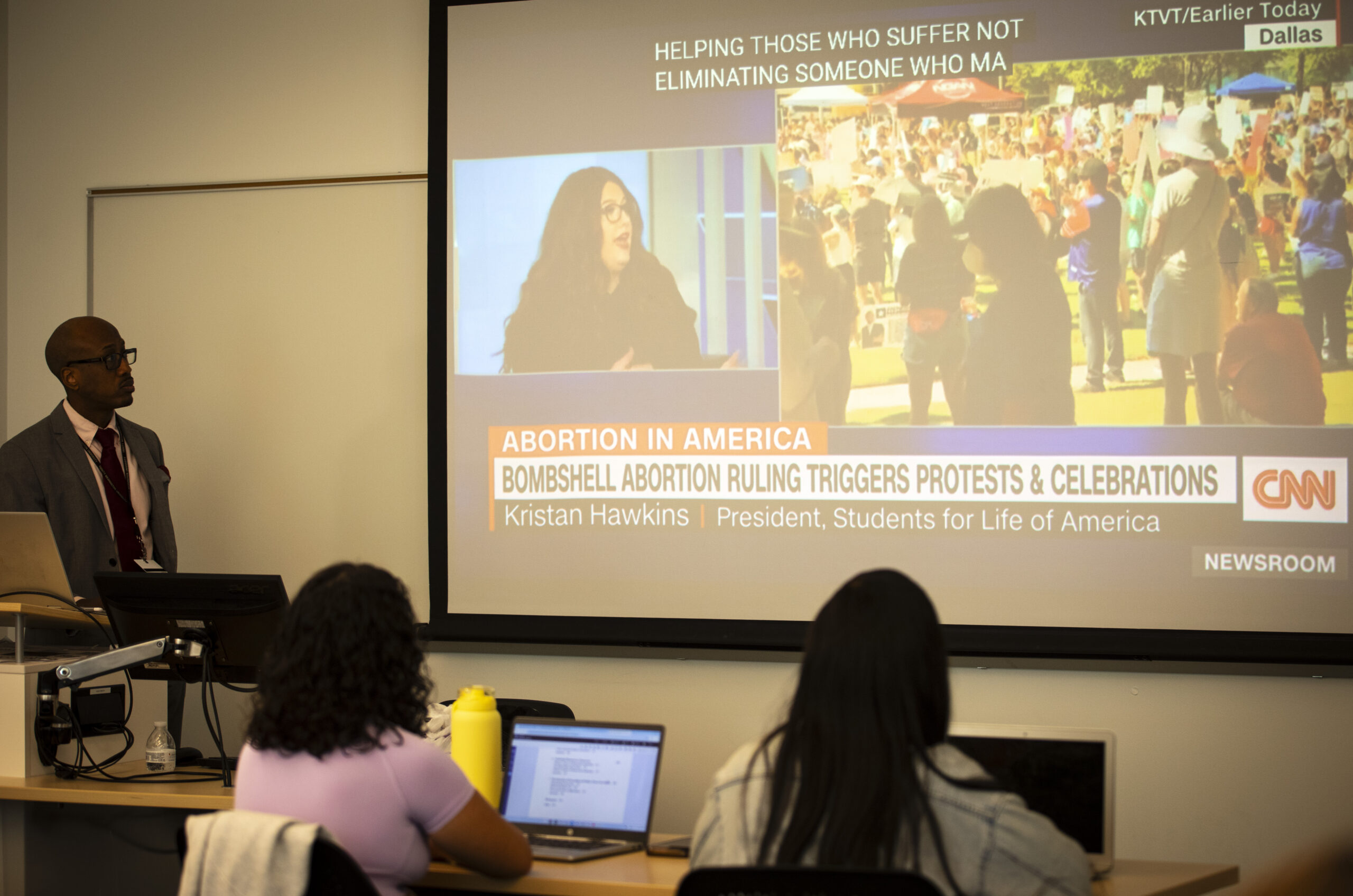
While abortion laws may not always directly affect a woman’s mental health, they can have powerful indirect effects, said Jennifer Wallace, assistant professor of nursing at Trinity.
“When a choice is taken from a person, it makes them feel ‘limited and unheard,'” Wallace said. “Patients seeking reproductive healthcare where these laws are implemented may feel a lack of choice.”
Before the U.S. Supreme Court ruled on Roe v. Wade in 1973, only 17 states had legalized abortion. After the decision, abortion became a federally protected right — until it was overturned in 2022.
Wallace, a former women’s health care provider, said she would feel “disheartened” being unable to help a patient seeking reproductive care today.
She believes more research is needed on how abortion laws affect women’s mental health.
“Current studies don’t show much of a correlation between abortion laws and women’s mental health, but in the future, the correlation of abortion restriction effects on a woman’s mental health could increase,” Wallace said.
A 2023 study published by the American Public Health Association found that women denied abortions experience greater anxiety, stress, lower self-esteem, and less life satisfaction than those who received the procedure.
The 2022 Turnaway Study, conducted by the University of California, San Francisco, focused on the psychological and financial impact of abortion denial. The study followed two groups: women who were denied abortions and those who received them. From 2008 to 2010, researchers recruited 1,000 women from 30 abortion facilities across the country and tracked their experiences over five years.
Initially, both groups reported similar mental and physical health. But over time, women denied abortions experienced higher rates of anxiety, lower self-esteem, and decreased life satisfaction, according to study author Diana Greene Foster.
“When there is a difference, those who are able to get their wanted abortion did better than those who weren’t,” Greene Foster concluded.
The Turnaway Study also found that women denied abortions were more likely to live in poverty and had lower credit scores than those who were able to obtain the procedure.
The makeup of Congress and the U.S. Supreme Court makes Trinity student Cuarema Gillard believe that no significant changes can be made on abortion at the federal level, but she believes it will be an issue for voters in upcoming elections.

“I like to use the term pro birth instead of pro-life,” Gillard told Trinity Times. “Because a lot of people who advocate for a ban on abortions, they care about the birth of the child, not the life of the child once it comes out.”
As debate continues across the country over reproductive rights, Martinez Sosa and others at Trinity say the conversation must expand to include not only legal rights and access but also the mental and emotional toll that comes with abortion restrictions.
—
Trinity student journalist Anette Perez contributed to this story.