By Brittany McAlister
Trinity Times Correspondent
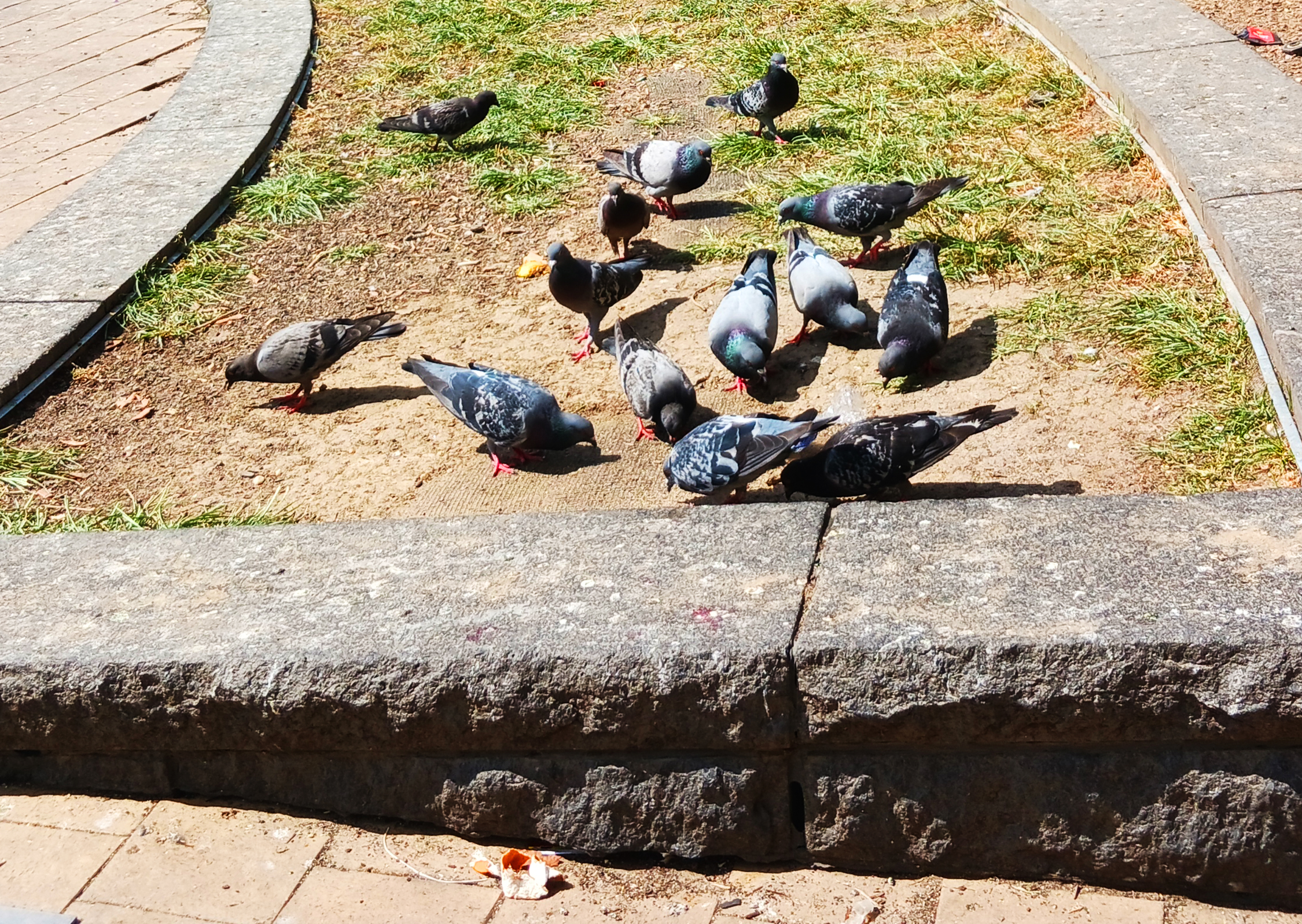
Trinity Washington University Financial Aid Counselor Sonya Speights-Lynch weathered the COVID-19 pandemic, but as she listens to news about bird flu spreading in the U.S., she has real concerns.
“My family and I are preparing now,” Speights-Lynch told Trinity Times.
The subject of her concern is the H5H1 virus — bird flu, and scientists fear this virus – with its ability to mutate and infect humans – could potentially lead to another global pandemic.
The H1N1 influenza virus (swine flu) did just this in 2009, spreading to more than 200 countries within a matter of months.
“My husband and I are very cautious in picking out food products from animals during our grocery shopping,” Speights-Lynch said.
“The panzootic H5N1 bird flu has been around the world since 2020,” said Nicole Betschman, program director for Public Health and Health Services at Trinity and an assistant professor of Health Services, noting that she has a clear understanding of the speed of this threat.
“Fast forward to February 2022 and there was an outbreak in a commercial poultry facility mainly in turkeys,” Betschman said. “Two months later, the United States had their first human-reported case of H5N1.”

The Centers for Disease Control and Prevention (CDC) defines panzootic as an outbreak infection that impacts multiple animal species in a large geographical area.
“There were reported cases in March 2024 in animals,” Betschman said, “and that is when there was a report that there was a cow-to-human infection of H5N1 in April 2024 in Texas, then another in May 2024 in Michigan.”
According to the CDC, the H5N1 virus is spread to humans by infected animals through the nose, mouth, or even eyes, so it is critical for those who work directly with animals to be diligent about wearing personal protective equipment and monitoring any animals that may be sick.
The first known detection of the panzootic H5N1 bird flu occurred in Hong Kong in 1997. This outbreak marked the first time the virus crossed over from birds to humans. It resulted in six deaths.
Betschman confirmed that the panzootic H5N1 bird flu has mainly been contained within turkeys, wild birds, and other animals such as foxes and seals.
According to the World Health Organization (WHO), the H5N1 strain of the bird flu virus has a mortality rate of around 60%, making it much deadlier than the seasonal flu. And there have been notable cases of the H5H1 bird flu across the United States dating back to 2003, where it was originally detected in a flock of commercial turkeys in Texas.

Twelve years later in 2015 the National Library of Medicine reports that another outbreak of H5H1 primarily affected commercial poultry farms in the Midwest, resulting in the killing of millions of birds to prevent the spread of the virus.
As far as investigators have been able to determine, the 2019 cases were sparked by a single wild bird in Alaska, which then spread to poultry farms across the country.
“Normal pasteurization processes kill H5N1,” Betschman said. “The cow and goat milks that individuals can purchase from the grocery stores are safe to drink as long as it indicates on the container that it has been pasteurized.”
It’s important that officials collaborate with all levels of government, she said, “both in the U.S. and internationally, to try and reduce further spread by increasing the messaging to those who work directly with the animals – primarily the farm workers – and ensuring (that warnings are posted) in multiple languages and spanning various communication channels.”
Trinity forensic science major Micheyla Stoney is on high alert when it comes to this bird flu.
“We don’t want to see another pandemic take place,” Stoney told Trinity Times. “We saw a lot of people die during the COVID-19 pandemic. The year 2020 was a scary place.”
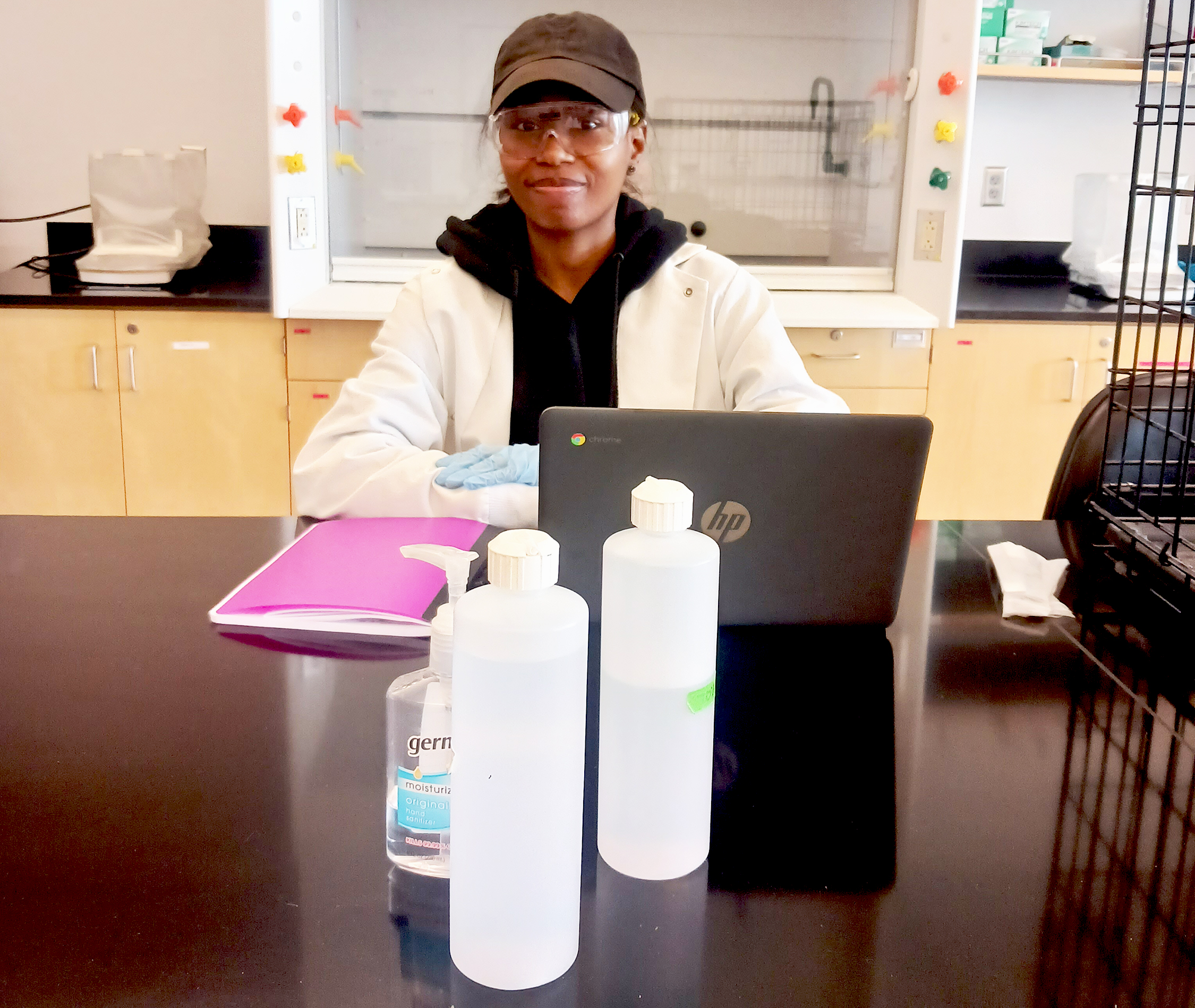
It is not out of the question that bird flu could develop into a pandemic, but it is also not a certainty, said Patrice Nielson, an assistant professor of Environmental Studies at Trinity.
“If the H5H1 bird flu were to mutate and become easily transmissible between humans,” Nielson said, “it could lead to a widespread outbreak with devastating consequences.”
Although the H5H1 bird flu has been shown to mutate rapidly, Nielson cautions the public not to overreact.
“At this point, I would rate the bird flu less severe than COVID-19 because although there may be a few cases, it doesn’t seem to have the fast transmission, so it can be stopped more easily.”
The World Health Organization warns that if a new strain of the H5H1 bird flu were to emerge — one resistant to current flu vaccines – it would be much harder to manage.
“Combinations of mutations have the potential to lead to larger outbreaks or even another pandemic,” Nielson said.

H5H1 ” should be something people are aware of,” she said, “and it should be something that researcher’s study so that we can identify potentially dangerous versions of the virus and catch them early.”
Alex Turmage, a D.C. Public Library digital navigator, doesn’t believe there will be another pandemic anytime soon because the outbreak of COVID-19 was a wakeup call for the world.
“There have been a few cases here in the U.S., as well as a few cases reported overseas,” he said, “but the numbers are not nearly as high as a global pandemic.”
Trinity Provost Carlota Ocampo believes that even in the face of another pandemic, the Trinity community would be in better shape to fight off a contagious and deadly virus.
“The university has done a great and very comprehensive job in keeping members of the Trinity community safe during the COVID-19 era,” Ocampo said, “and I am confident that we will do the same for any future pandemics.”
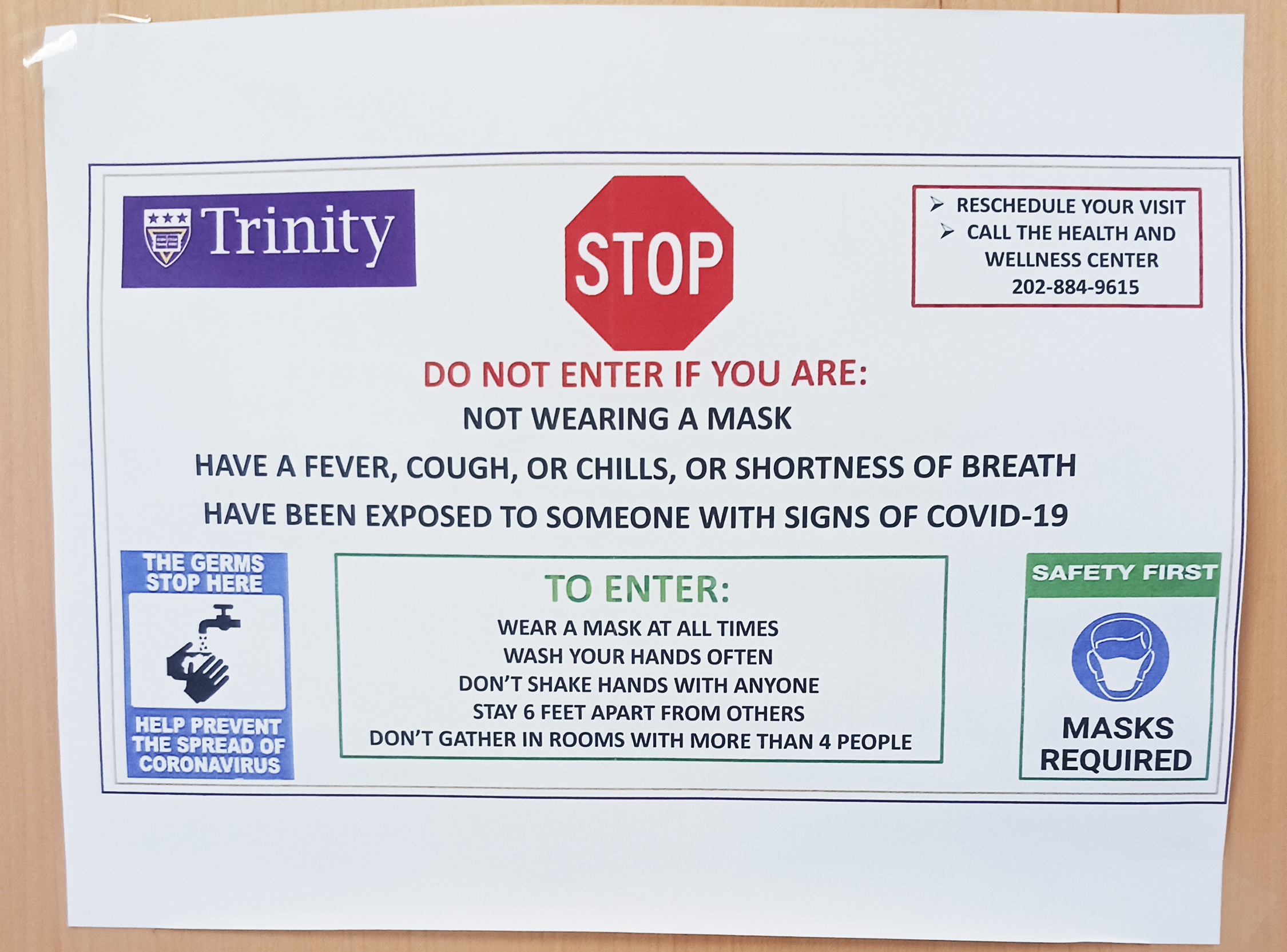
Officials at Trinity’s Student Health and Wellness Center are monitoring the bird flu situation carefully to ensure that students and the entire Trinity community are safe.
It is going to be important for students, staff and faculty at the university to know the symptoms of this virus, said Jazmine Senn, director of the Student Health and Wellness Center.
“Coughs, headaches, shortness of breath, sore throat, fevers, chills, fatigue, congestion, runny nose, and muscle aches or body aches are the signs to look out for concerning the bird flu,” Senn told Trinity Times.
“If a student is experiencing any of these kinds of symptoms,” she said, “we highly recommend the student immediately get in touch with their primary care doctor or seek urgent care at a local health clinic or stop by the Student Health and Wellness Center to get checked out.”
It is important for the public to continue to constantly wash their hands after touching any animal, before they eat, and after they use the restroom, Betschman said. “You also want to… be intentional about increasing cardiovascular health with your favorite exercise.”
Looking to past pandemics, Trinity can better protect its students and minimize the impact of potential disruptions by understanding the seriousness of threats like H5H1 and taking proactive measures to identify and prevent the spread of disease, she said, adding that collaboration, communication, research, and preparedness are essential tools for ensuring the resilience of the university community in the face of any global health crisis.