By Anette Perez
Trinity Times Correspondent
For freshman Miriam Mendoza, playing Lotería during Hispanic Heritage Month at Trinity Washington University Oct. 2 was more than just a fun evening – it was a meaningful reminder of home.
“I’ve played Lotería several times before,” said Mendoza, who moved to Washington from Georgia to attend Trinity. “Living here has been a big change, and [playing Lotería] makes me feel close to home.”
Originally from out of state, Mendoza found comfort in the familiar game, which brought a sense of connection amid the transition to college life in a new city.
From Sept. 15 to Oct. 15, Trinity joined institutions nationwide in celebrating Hispanic Heritage Month, honoring the culture, traditions and contributions of Hispanic and Latin American communities that help shape the United States – and the university itself.
At Trinity, Hispanic Heritage Month serves as both a celebration and a reminder of the university’s diversity. Through community events, the month highlights the cultural pride of Latin American and Hispanic students while reflecting Trinity’s commitment to inclusion and representation on campus.
“It’s an opportunity to honor my own roots, celebrate the diversity within the Hispanic and Latinx community, and recognize the contributions of those who came before us,” said Rosa Reyes, director of the Dream Partnership and student success advisor at Trinity.
Throughout the month, Trinity hosted a variety of events to engage students in recognizing the importance of Hispanic Heritage Month. According to Reyes, celebrating the month sends a powerful message that Hispanic and Latinx students are valued and integral to Trinity’s community.
The celebration began with themed lunches in the dining hall, where every menu item was inspired by Hispanic cuisine. Students gathered around tables to enjoy traditional dishes such as Salvadoran pupusas, Mexican tamales and churros.
A week later, Campus Housing hosted Mark the Month, an event where students could unwind and honor Hispanic heritage together. They spent the evening crafting bookmarks inspired by Hispanic culture while sharing snacks and drinks with friends.
Another highlight was Sway Into Salsa, a three-part dance workshop organized by Reyes. Though not originally planned as part of Hispanic Heritage Month, Reyes said the timing and theme aligned perfectly, offering students a chance to learn, connect and build community.
“We had approximately 20 students attend per workshop, representing a mix of Latinx-identifying students and allies from various cultural backgrounds,” Reyes said. “Many expressed interest in similar programming throughout the year such as bachata workshops.”
Reyes often integrates elements of Hispanic culture – including food, music and tradition – into her student programming to make events inclusive and engaging. Because many of the students she advises identify as Hispanic, she views these gatherings as opportunities to strengthen community bonds.
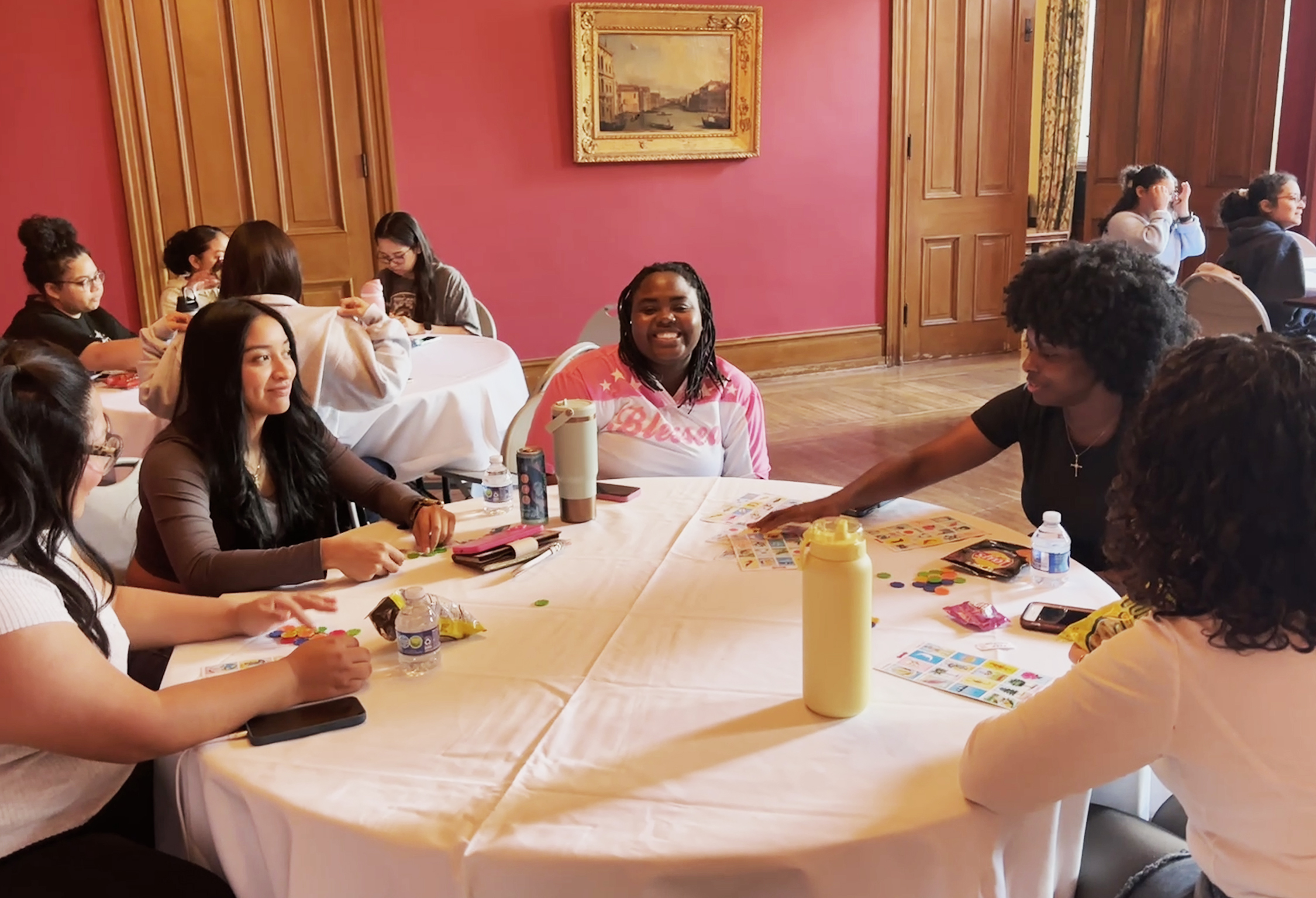
The Butterfly Network, a student-run organization supporting DACA recipients and undocumented students, collaborated with Student Activities to host a Lotería game night.
“Hispanic Heritage Month means to me a time of visibility and a time to showcase my culture, be proud of my background and where I came from,” said Belky Lemus, a junior and president of the Butterfly Network.
Lotería, a traditional Mexican board game similar to bingo, is played with a deck of 54 colorful cards featuring distinct images. Instead of numbers, the caller announces the images, and players mark them on their boards. The first to fill their card – or complete four in a row, depending on the version – wins.
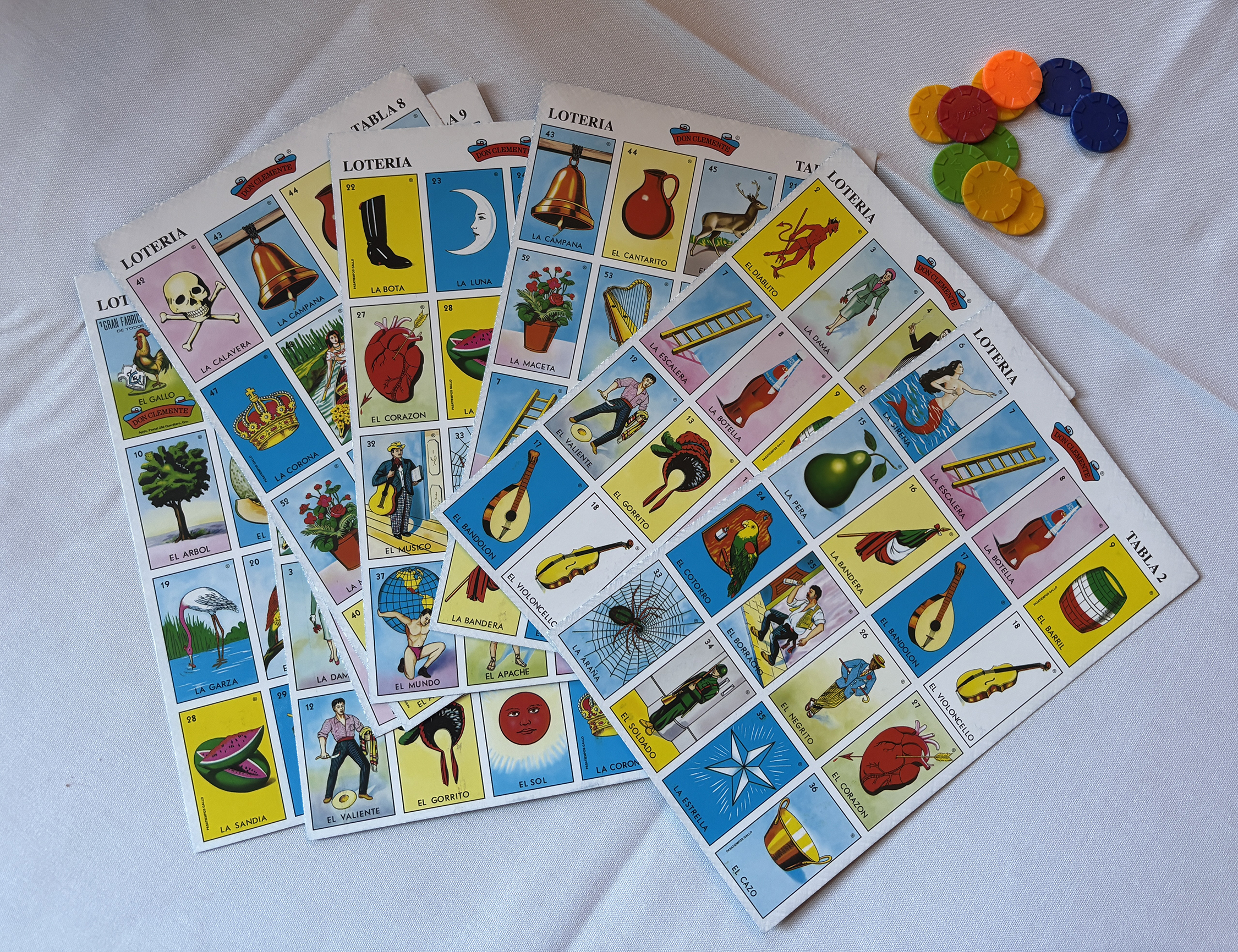
“The Butterfly Network wanted to host this event, especially during Hispanic Heritage Month,” said Abigail Huh, vice president of the organization. “It’s fun and something that a lot of people have grown up playing.”
According to Sita Ramamurti, dean of the College of Arts and Sciences, Trinity’s Fall 2025 student demographics show that 30% of students identify as Hispanic, 55% as Black and 10% as undocumented immigrants.
Trinity’s student body has shifted dramatically over the past several decades – from predominantly white to predominantly Black and Hispanic – following declining enrollment in the 1980s. This transformation led to a renewed mission of providing access to higher education for low-income and first-generation students, strengthened under President Patricia McGuire beginning in 1989. Today, Trinity is officially designated by the U.S. Department of Education as both a Predominantly Black Institution (PBI) and a Hispanic-Serving Institution (HSI).
The visibility Hispanic Heritage Month brings to campus hasn’t gone unnoticed by other student groups. Anastasia Tomlinson, a sophomore and president of the Black Student Alliance (BSA), said the BSA views the attention given to Hispanic Heritage Month as important and necessary, especially in times of oppression and instability.
“The respect and recognition that the campus has for the voices and stories of Hispanic students reinforces the values of Trinity,” she said. “We acknowledge that Trinity has room to make space for community celebration, community events and community-building efforts.”
However, Tomlinson said the BSA has raised concerns about what it deems a lack of effort and intentionality in other cultural observances, particularly during Black History Month.
Citing a past incident in which a Black History Month lunch featured stereotypical dishes such as fried chicken, macaroni and cheese, and watermelon, Tomlinson said, “Our cultural observances feel like an afterthought, and our celebrations are turned into minstrelsy while there is no care to include our histories, stories or voices.”
She added that Afro-Latino students within the BSA sometimes feel left out of conversations meant to uplift the broader Hispanic community. Still, she said, the BSA intentionally makes space for Latinx students in its meetings and events.
“We can expose each other to the realities of our lived experiences and how they echo each other,” she said. “We can become a resource network exchanging and amplifying valuable information that is specific to our needs, like mental health services and dismantling oppressive systems.”
Reyes said cultural events allow students to see themselves reflected and to feel a sense of belonging on campus. She added that such events can serve as a first step toward deeper conversations about identity, equity and social justice.
Tomlinson shares a similar belief. She said cultural awareness months can offer varied historical contexts within a culture and foster understanding and appreciation across communities, noting that no heritage is monolithic.
“Trinity, being a minority-serving institution, has a unique opportunity to give students the resources and space to learn from one another,” she said. “However, the conversations should not start and stop during these heritage months.”
For students who want to get more involved in cultural events but feel hesitant, Reyes emphasized that these celebrations are for everyone.
“Start small and start with curiosity,” she said. “You don’t have to be an expert in your own identity – or someone else’s – to show up, listen and learn.”