By Stephanie Thomas-Foo
Trinity Times Correspondent
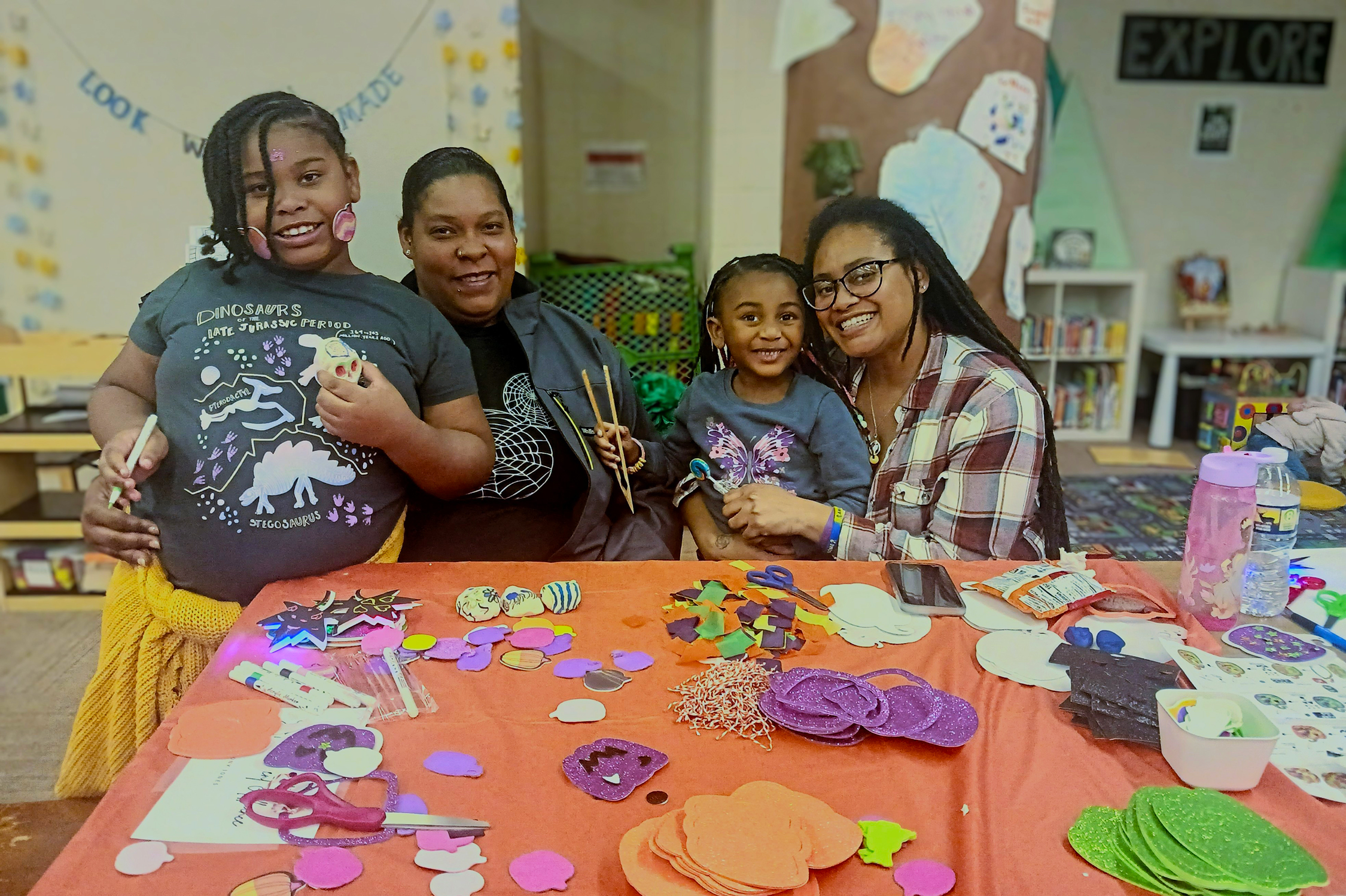
Balancing the responsibilities of parenthood with the demands of higher education presents a unique set of challenges for college students.
“Parenting is already hard,” said Brianna Struggs, a sophomore and student-parent at Trinity Washington University, “and then you have schoolwork and these expenses when aid falls through,” suggesting the out-of-pocket cost for tuition is burdensome.
One in four Trinity students are student-parents, a statistic that is just slightly higher than the national average of 22% undergraduate student-parents, according to the Institute for Women’s Policy Research.
Universities like Trinity have a crucial role to play in providing adequate support to ensure these students’ academic success.
Many student-parents have limited access to childcare, financial resources, and support networks, making their educational journey particularly difficult.
Struggs says that the biggest challenge she’s faced as a mother of two is finding the time to balance her home life with her schoolwork.
“It’s like a paper or midterm is always due on the same day as a dance recital or school event,” she told Trinity Times.
Struggs considered switching from pursuing her undergraduate bachelor’s degree to a two-year associate’s degree to speed up the process. Instead, she selected a different student advisor who was able to provide her with better insight in how to manage her time and studies.
Student Affairs at Trinity organized the Parent Student Resource Center, which aims to alleviate some of the stress that comes with parenthood while pursuing higher education. The center provides help for crisis management, domestic violence assistance, health services and self-care, as well as housing resources.
Trinity is also engaged in a two-year working group called Family U, which seeks to coordinate with other campuses and experts to become stronger advocates for their parenting students. This partnership provides a scholarship between $1200-$2400 for parent-students between the ages of 19-25 and provides guidance through a one-on-one advisor program. Generation Hope is the non-profit that supports the Family U initiative, which has allowed parent-students to receive direct help in applying for available scholarships and emergency funds.
Financial management has proven to be one of the most significant barriers for parents attending higher education and Struggs said she had to really examine how she spent money to be able to continue her education.
She cut back on vanity expenses, such as eyelash appointments, as well as impulse online shopping, and started saving money to prepare for any graduation expenses or gaps in tuition payment.
Online resources are available to assist in student financial literacy, including the YNAB app, which is designed to help users proactively plan for their futures through zero-based budgeting, rather than simply tracking past transactions.
Flexible tuition payment plans at Trinity are also made available to help students stay on track of the financial planning necessary to attend school.
Access to affordable, quality childcare is essential for student-parents to attend classes and participate in campus activities. Infant child care in Alabama, for instance, can cost more than in-state college tuition.
Trinity has one of the lowest private college tuition rates in the District of Columbia but childcare in Washington is amongst the nation’s highest, averaging $885 a week for a nanny, according to care.com. That comes out to $24,396 a year, according to the Annie E. Casey Foundation’s KIDS COUNT Data book.
According to the U.S. Department of Health and Human Services (HHS), childcare is considered affordable if it costs no more than 7% of a family’s income.
While Trinity does not offer on-campus childcare, the university does have services designed to help students find affordable off-campus options, as well as help students navigate vouchers through the D.C. Department of Human Resources.
For parents who do bring their children to campus, Trinity has created a child-friendly space within the university’s library. As reported by Trinity Times in October 2023, the newly-opened “Family Library” occupies the basement of the Sister Helen Sheehan Library and welcomes children to remain in a structured learning environment “as their parents attend to other business they have on campus.”
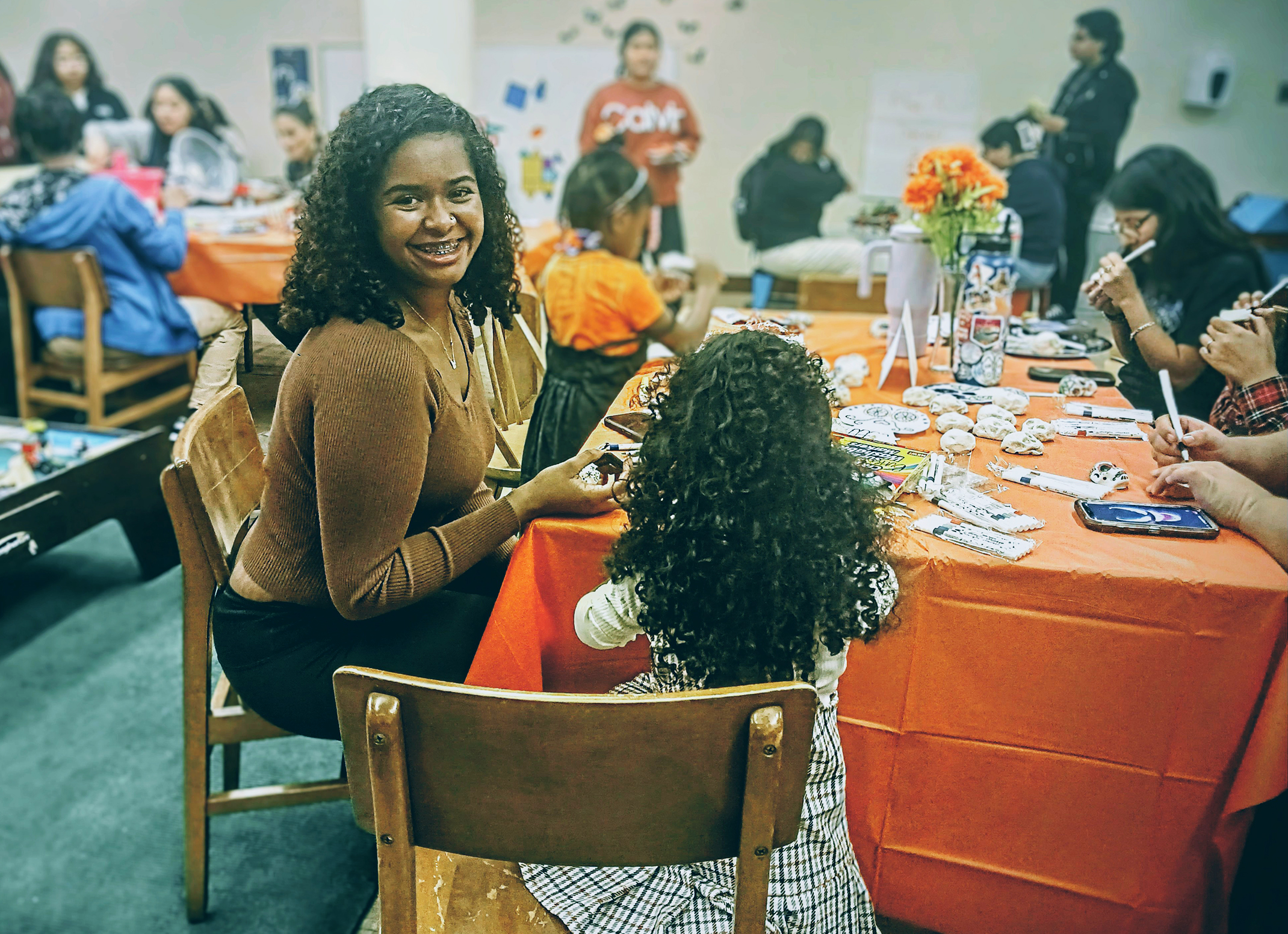
University Librarian Trisha Smith told Trinity Times the Family Library is one of many amenities the library has been planning to accommodate students and parent-students alike.
The library also offers virtual librarian meetings to accommodate students while off campus, providing parent-students with more time at home with their children, Smith said.
The library also hosts a multimedia room and provides discounted printing and copying, a service Struggs said she could benefit from.
Trinity’s School of Professional Studies offers a range of evening and weekend courses – many of which are online – providing student-parents like Struggs with the flexibility they need in continuing their education.
Student parents make up 44.51% of all undergraduate students in Trinity’s School of Professional Studies, 9.8% in the College of Arts and Science, and Business and Graduate Studies enrolls 22.41% parenting students, while the School of Nursing and Health Professions enrolls 24.11% parenting students, according to the university’s Fall 2023 Parenting Student Profile.
In the daily schedule of school, work and home, the mental wellbeing of parents is easily overlooked, according to the American Psychological Institute.
Trinity is making inroads here in the form of free mental health counseling, parenting workshops, and encouraging personal physical fitness. “Everyone can enjoy our wonderful Trinity Center,” said Trinity President Patricia McGuire. This includes “the pool, gym, walking track, fitness center, dance studio and many classes offered each week. We do not charge a fee for members of our campus community to use the center.”
McGuire said free access to campus athletic and wellness facilities for all students and staff is “highly unusual among universities.”
Trinity’s health offerings extend beyond the Trinity Center, McGuire told Trinity Times. “For example,” she said, “Nicole Betschman (an assistant professor of Health Services) has taken the lead in promoting an end to smoking. She and her students work with the Truth Initiative, a major program to encourage people to stop smoking.”
Affordable and family-friendly housing options are another critical component for student-parent success. Trinity’s Housing Resource Hub has a compiled list of options for parent-students ranging from affordable roommate options to rental assistance programs to free housing for mothers.
Preparing student-parents for post-graduation success involves career and professional development opportunities tailored to their unique circumstances. Trinity provides information on internships with private sector and government jobs through their Office of Career Services, which holds events both in-person and virtually to assist students in applying for fully-paid, stipend-incentivized, or unpaid internships throughout the year.
Trinity’s parent-students require a multifaceted approach that helps them achieve their full potential, McGuire said, adding that by implementing comprehensive support services and fostering a supportive campus environment, the university ensures the academic road is not walked alone.