By Stephanie Thomas-Foo
Trinity Times Correspondent
As Danielle Lymore pursued her education at Trinity Washington University, she began to experience anxiety and depression.
Though Lymore didn’t have a history of mental health concerns, the combination of working full-time, going to school full-time, coping with grief and navigating a complicated physical recovery from an ACL reconstruction resulted in struggles with anxiety and exhaustion.
After averaging three to four hours of sleep each night, she eventually sought help from a therapist at Capitol Hill Consortium & Consultation.
With solace and encouragement in therapy, Lymore was encouraged by her physician to consider anxiety medication, regular exercise, proper diet and meditation to help with sleeping. All of this helped her gleefully manage her very busy life as she completed her degree program at Trinity and enrolled in graduate school.
“There is a growing recognition of the importance of mental well-being in academic success and overall student life,” said Jazmine Senn, director of Trinity’s Health & Wellness Center. “In recent years, there has been a significant shift in how mental health is perceived and addressed on college campuses.”
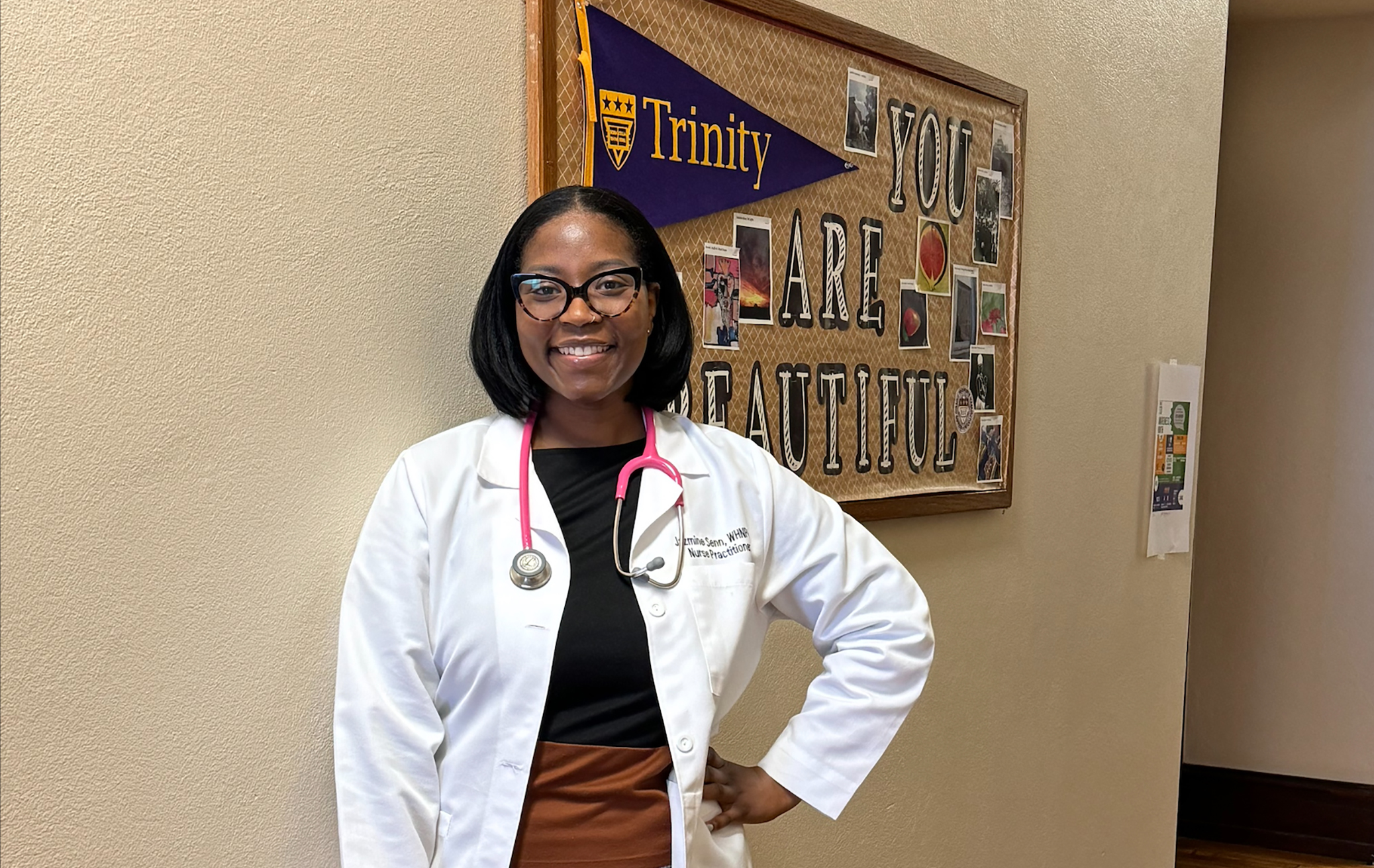
Senn told Trinity Times the Health & Wellness Center provides a sense of relief and community to students and faculty alike.
“Because we have a close-knit community,” she said, “we do a good job of providing support to students regarding their mental health.”
Mental health issues among college students have been more transparent with the rise of the social media spotlight.
Stress, anxiety, depression and loneliness are among the most familiar challenges, according to the American Psychological Association.
The transition to college life, with its academic pressures, financial stressors, social expectations, and newfound independence can be contributing factors to increased mental health struggles, Senn said.
“Incoming students should know they’re not alone,” she said. “Do not wait until you are at your wits end. Seek help early on so we can give you the tools that you need to excel and succeed.”
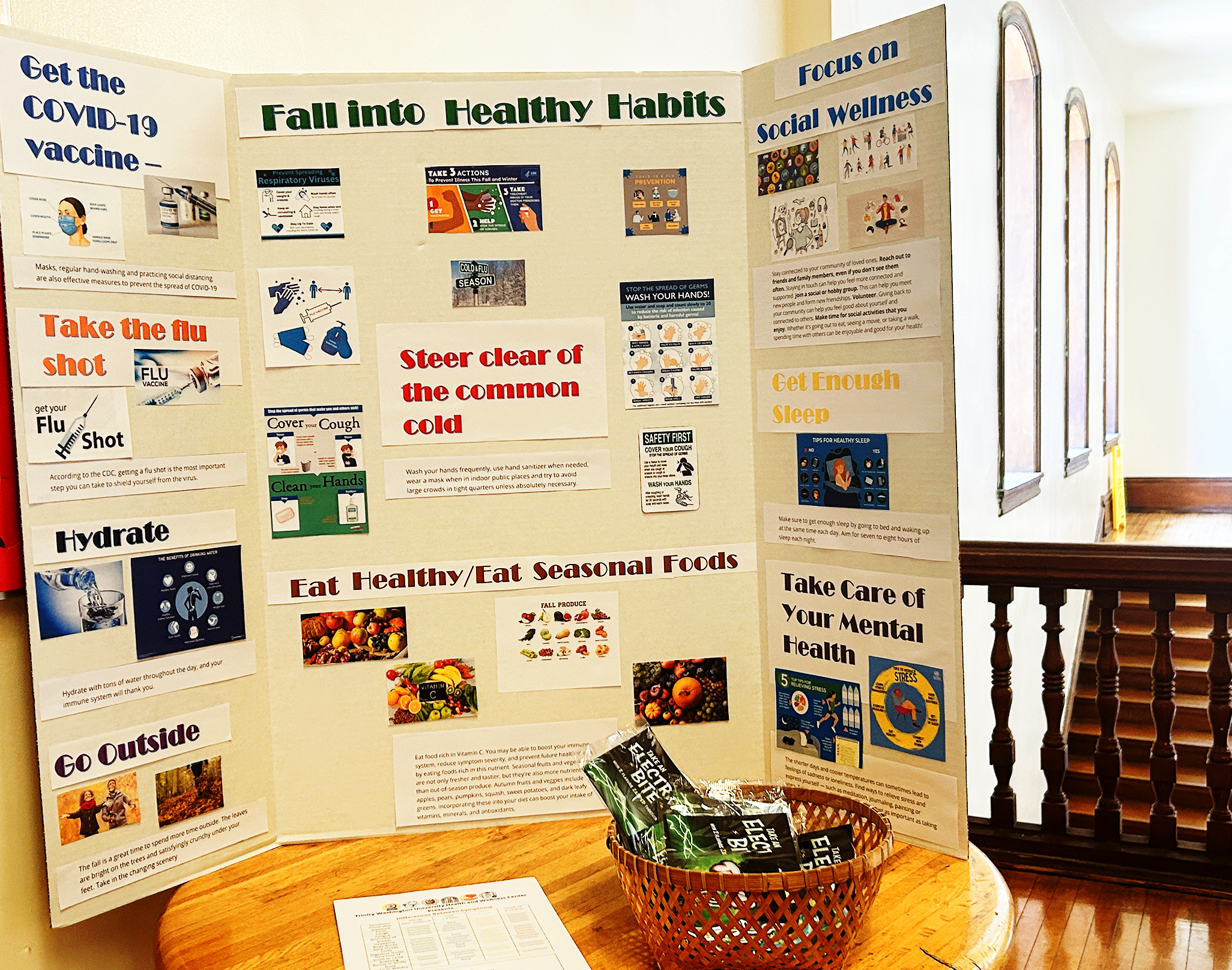
Through Lymore’s experience with mental health professionals, she learned that a healthy lifestyle could also contribute to her sense of well-being as she navigated the life of a busy college student.
Proper diet and exercise have always been associated with alleviating some mental health issues like anxiety and depression, said Nicole Betschman, Trinity’s director of Public Health and assistant professor of Health Services.
Trinity added a walking challenge which really had students, faculty, and staff being more intentional of the number of steps they were taking each day, Betschman said. “There are also step reminders in Payden by the staircase on each level to encourage individuals to take the stairs and increase their health.”
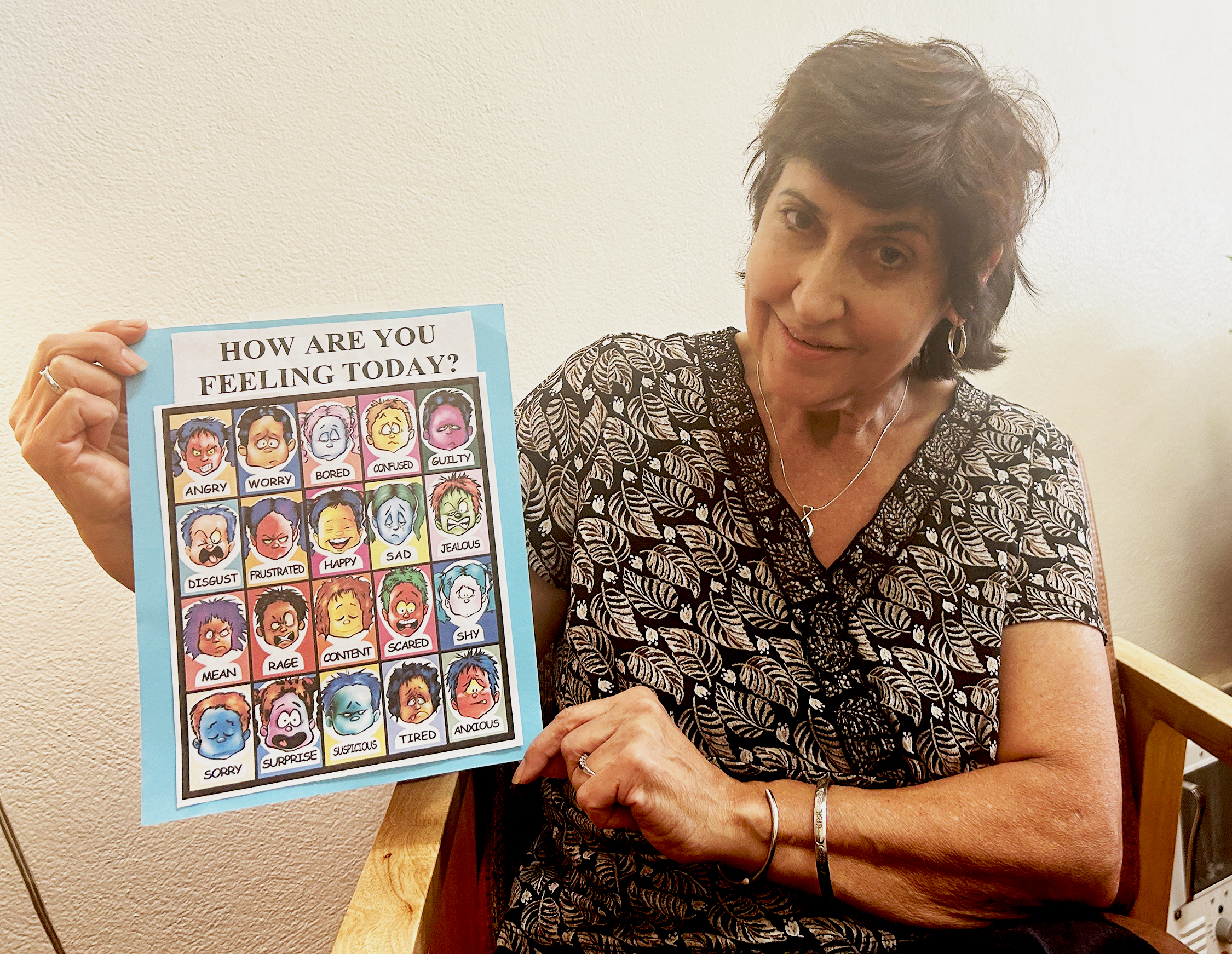
Anne Cosimano, a counselor at Trinity, said the Health & Wellness Center offers a variety of mental health services including individual counseling and support groups for students, as well as consultation to faculty and staff.

“We provide free mental health screenings to help Trinity students and staff identify potential health issues,” such as depression, anxiety, bipolar disorder, PTSD, eating and body image issues, and substance use disorders, Cosimano said. “We then connect them to treatment and other resources for managing these challenges. In addition, psychoeducational workshops and programs on a variety of mental health issues are offered monthly.”
Lymore remembers a time when vocalizing her stress and anxiety came with a stigma of weakness or being labeled “nuts.”
She did not experience that stigma while at Trinity, though.
As a Black woman, she battled with the unfair expectations that many Black women carry, such as suppressing emotion and always presenting herself as “strong.”
To combat the harmful and false narrative that Black women don’t need help or struggle with mental illness, she said her therapist encouraged her to communicate with her professors at Trinity when she needed extra support.
Lymore gratefully accepted this advice.
Student-led organizations and peer support networks such as The Black Student Alliance, the Butterfly Network, International Students Association, and the Women’s Student Action Coalition, can play a crucial role in promoting mental health awareness and resilience as they can be supportive spaces, Senn said.
The Butterfly Network fosters a sense of community through events like “Living Undocu,” which teaches undocumented students how local elections work in Washington, according to the Butterfly Network biography on Instagram. The site says the network provides students at Trinity with up-to-date immigration information and helps reduce the fear and shame of an uncertain and stressful future. Senn, who is also a nurse practitioner, said that outside of counseling and peer support, Trinity holds education seminars, lunch time support groups, domestic violence awareness and depression programs.
“Every month we try to engage and be proactive in prevention,” she said. “This engagement helps provide resources in the initial stages of stress, anxiety; or depressive symptoms.”
Despite these positive developments, challenges remain in ensuring equitable access to mental health resources and support for all students.
“Everyone is always saying go to counseling if you need someone to talk to,” said Brianna Struggs, a Trinity sophomore in the Early Childhood Development program. “But counseling isn’t cheap. When am I supposed to go when I am in school, working and have two children? More importantly, who is going to pay for it?”
At Trinity, the Health & Wellness Center has made at least one of Strugg’s concerns less problematic by providing counseling sessions free to all students.
Women of color and marginalized groups face additional barriers to accessing mental health care due to cultural stigmas, discrimination, and a lack of culturally competent services, according to the Legal Action Center, an organization that uses legal policy to fight discrimination.
Trinity’s all-inclusive approach to offering mental health resources and free counseling services to students and faculty ensures everyone is included, regardless of race or socioeconomic status.
The rising awareness and resources for mental healthcare on college campuses represents a significant step forward in supporting the holistic well-being of students, Cosimano said.