By Maalik Hawkins
Trinity Times Movie Reviewer
A tip from Trinity Washington University Professor Neosho Ponder led me to Howard University’s Third Annual Hip-Hop Studies Conference on Nov. 14 – and into a vibrant, community-driven celebration of hip-hop education that was far more powerful than I expected.
Although the conference ran the entire weekend, it was during a Friday session that I learned about a film festival taking place the next day. The festival far exceeded my expectations. I was impressed by the quality, creativity and diversity of the films presented. The experience was so energizing that I felt compelled to write a review to help spotlight these remarkable works and bring them greater visibility.
The films were hosted by Professor Tammy Bowen of Howard’s history department. The selections ranged from music videos to documentaries exploring how hip-hop shapes entire communities – and how those communities shape hip-hop in return. Many of the films are underground projects, and I gathered as much information as possible to share here. I encourage you to check them out and support the talented teams behind them. While my ratings reflect my personal experience, I strongly recommend forming your own opinions by watching them yourself.
1. “A Film Called Black: King’s Speech”
Artist/Director: Cam Be
Producer: Neak
Review:
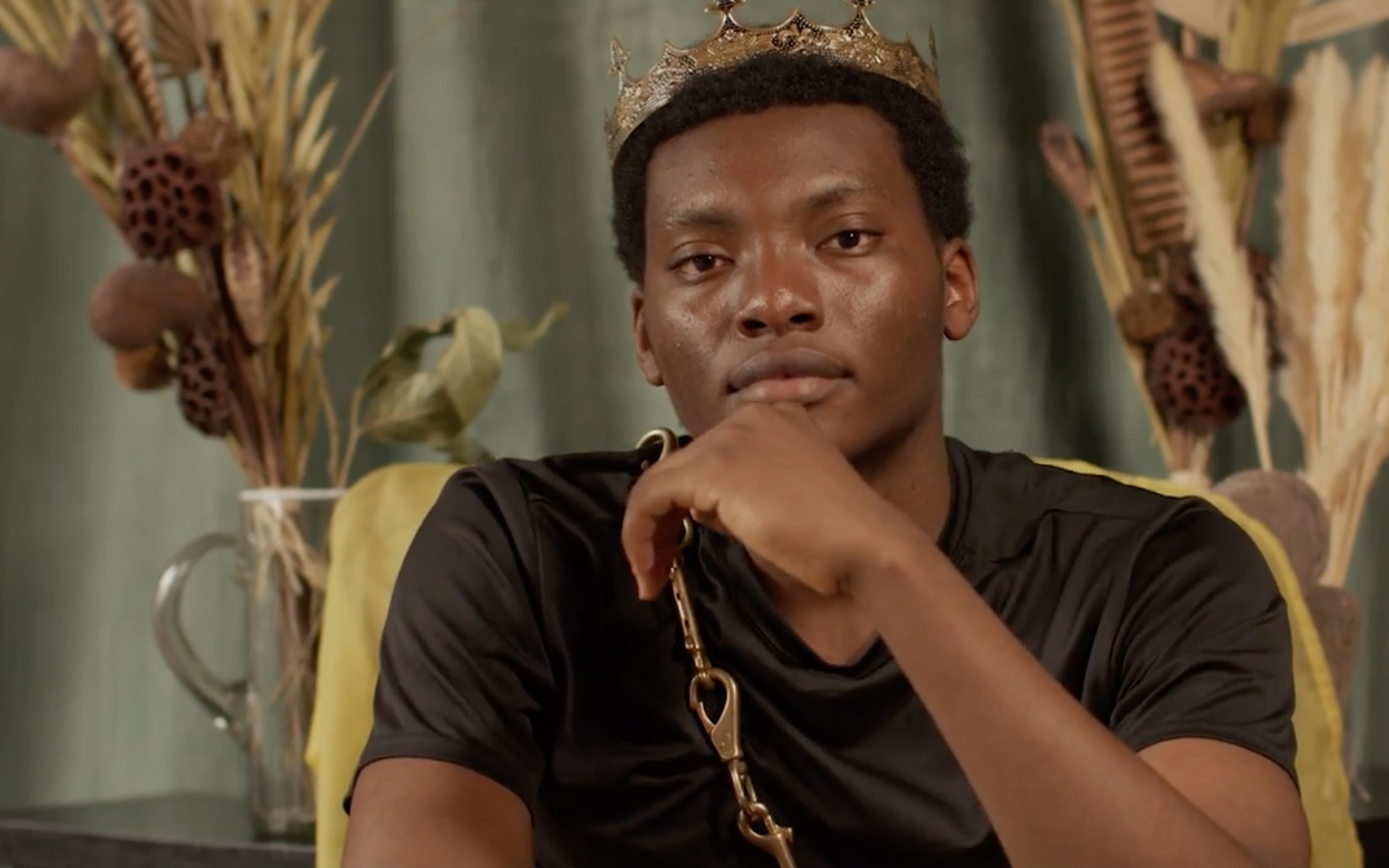
The portion of the film I saw played like a vibrant celebration – in the style of a music video – filled with stunning visuals and warm images of Chicago. It featured a montage of people proudly displaying their “crowns,” symbolic of identity and self-expression. This portrayal highlighted individuality while promoting a strong message of self-love.
The smooth, neo-soul soundtrack elevated the visuals, blending them into a seamless, rhythmic experience. As a fan of the genre, I found the pairing of music and imagery to be especially powerful and emotionally resonant.
This quickly became one of my favorites in the showcase. I was thrilled to receive a full copy of the film from the director, Neak. The complete project – which is a documentary – explores Afro-history through the concepts of “king” and “queen.” I’d love the opportunity to write a more in-depth review if the artist allows.
Score: 9/10
Link: https://www.afilmcalledblack.com/kings-speech-trailer
2. “City of Kings Atlanta”
Artist/Filmmaker: Antar Fierce
Review:
This documentary dives into Atlanta’s graffiti scene and its deep connection to hip-hop culture. Featuring interviews with graffiti artists – many anonymous for safety reasons – the film captures the terminology, history and creativity of this vibrant community. The storytelling style reminded me of Complex magazine videos: fast-paced, energetic and immersive.
We viewed only an excerpt, but what we saw left a strong impression. The authenticity of the artists’ voices pulls viewers into the underground world of graffiti. I’m looking forward to seeing the full project.
Score: 8/10
Link: https://cityofkingsatlanta.com
3. “Road to DMV”
Artist/Filmmaker: Mazi Mutafa
Review:
“Road to DMV” stood out because of its close connection to the Washington, D.C., community. The documentary highlights a movement and festival designed to uplift emerging talent from across the DMV region. Shot entirely on a cellphone, the film feels intimate and personal – similar to scrolling through social media – but still manages to tell a cohesive story.
The filmmaker is also heavily involved in organizing the “Words Beats and Life presents: DMV Made Festival,” which provides a crucial platform for local artists. The film inspired me to attend the next festival myself.
While effective, the project could be strengthened with a mix of cellphone clips and professional camera work to elevate its visual storytelling.
Score: 7.6/10
Link: https://www.thecounterbalance.org/articles/rooted-in-the-region-rising-together
4. “Back Story: Jamel Shabazz + Carter Magazine – Albee Square Mall & Downtown Brooklyn 1980–1990”
Filmmakers: Darren Murray and Jonathan Nelson
Review:
The segment I viewed can be summed up in one word: dope. “Back Story” explores the history and cultural significance of Albee Square Mall and its strong ties to Afro-Brooklyn life and hip-hop. As someone from D.C., I loved immersing myself in this slice of Afro-diasporic culture.
The film highlights the mall’s role in Brooklyn life, from breakdancing to dating to the era of stick-up kids. Even from the teaser, it’s clear this was a hub for hip-hop during one of its golden eras. The film mixes interviews with Brooklyn natives and striking AI-generated visuals that recreate the 1980s and 1990s in a surprisingly effective way. Although the AI initially caught me off guard, it proved to be a clever solution for portraying scenes without a huge budget.
The creativity and care behind this project are obvious. I highly recommend checking out the teaser.
Score: 8.5/10
Link: https://www.instagram.com/cartermagazine/p/DM_dmNKsOZ5/?hl=en
5. “Under the Street Light” (Cincinnati rap video)
Director/Producer: Tammy L. Brown
Rap Artist: Neal Carroll
Review:
We saw a short clip of two Cincinnati men freestyling under a streetlight while a crowd cheered them on. At first, I assumed it was simply a tribute to hip-hop culture. But during the Q&A, I learned that this streetlight has been a gathering place for freestyle sessions for decades – so significant that the director’s mother advocated for its recognition as a historic landmark.
Unfortunately, the brief clip didn’t make that message clear on its own, which left me feeling a bit disconnected and disappointed until hearing the full context during the Q&A.
Score: 7/10
–
Maalik Hawkins is a graduate of Trinity Washington University.