By Tanzania Kennedy
Trinity Times Correspondent
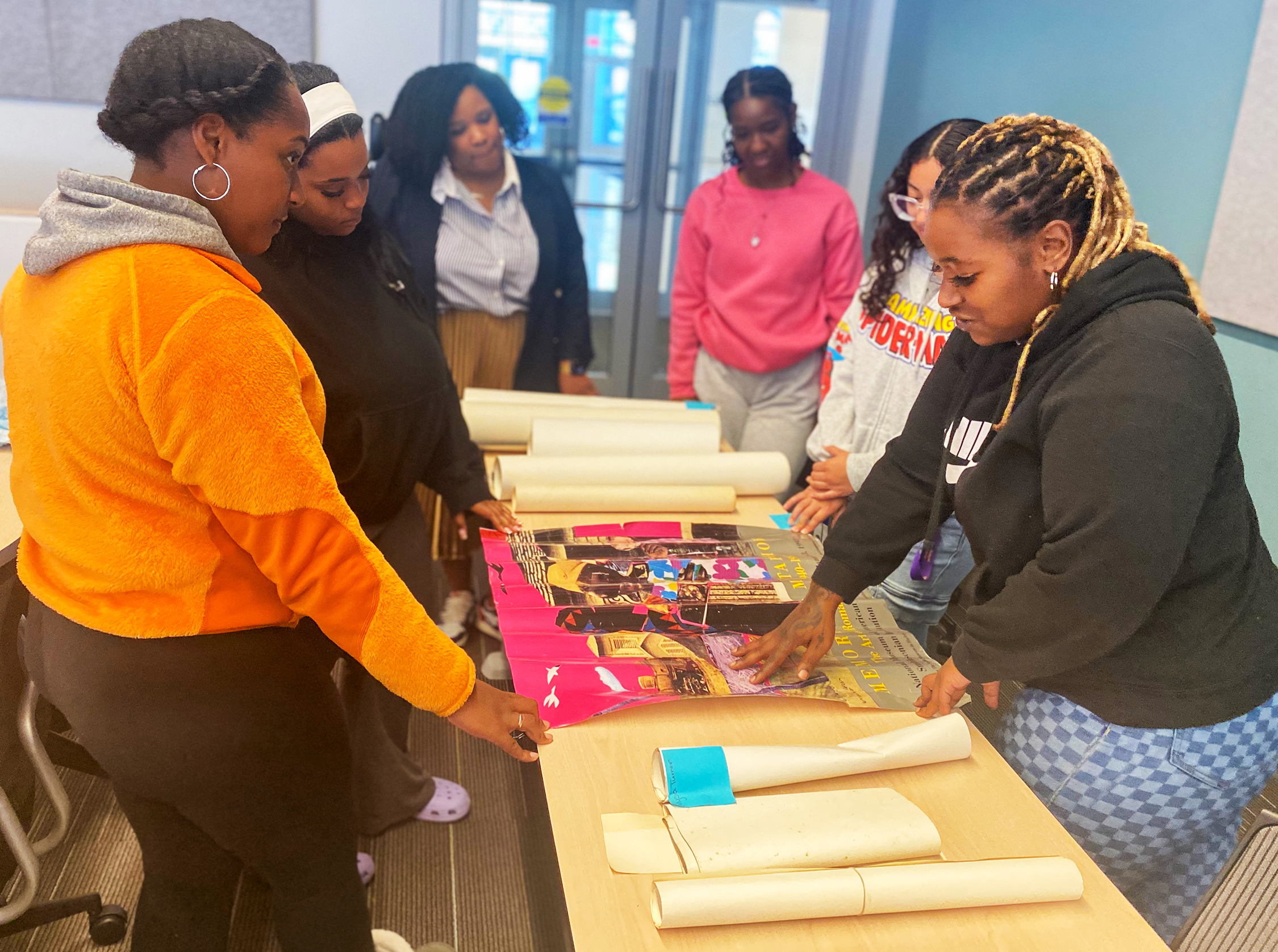
As Trinity Washington University students Shakeelah Ali and Shonae Kornegay carefully arranged a collection of vivid posters donated by cultural historian James Counts Early, they weren’t just preparing for an exhibit – they were stepping into a story.
Each image, color and symbol spoke of the culture, identity and liberation of the African diaspora.
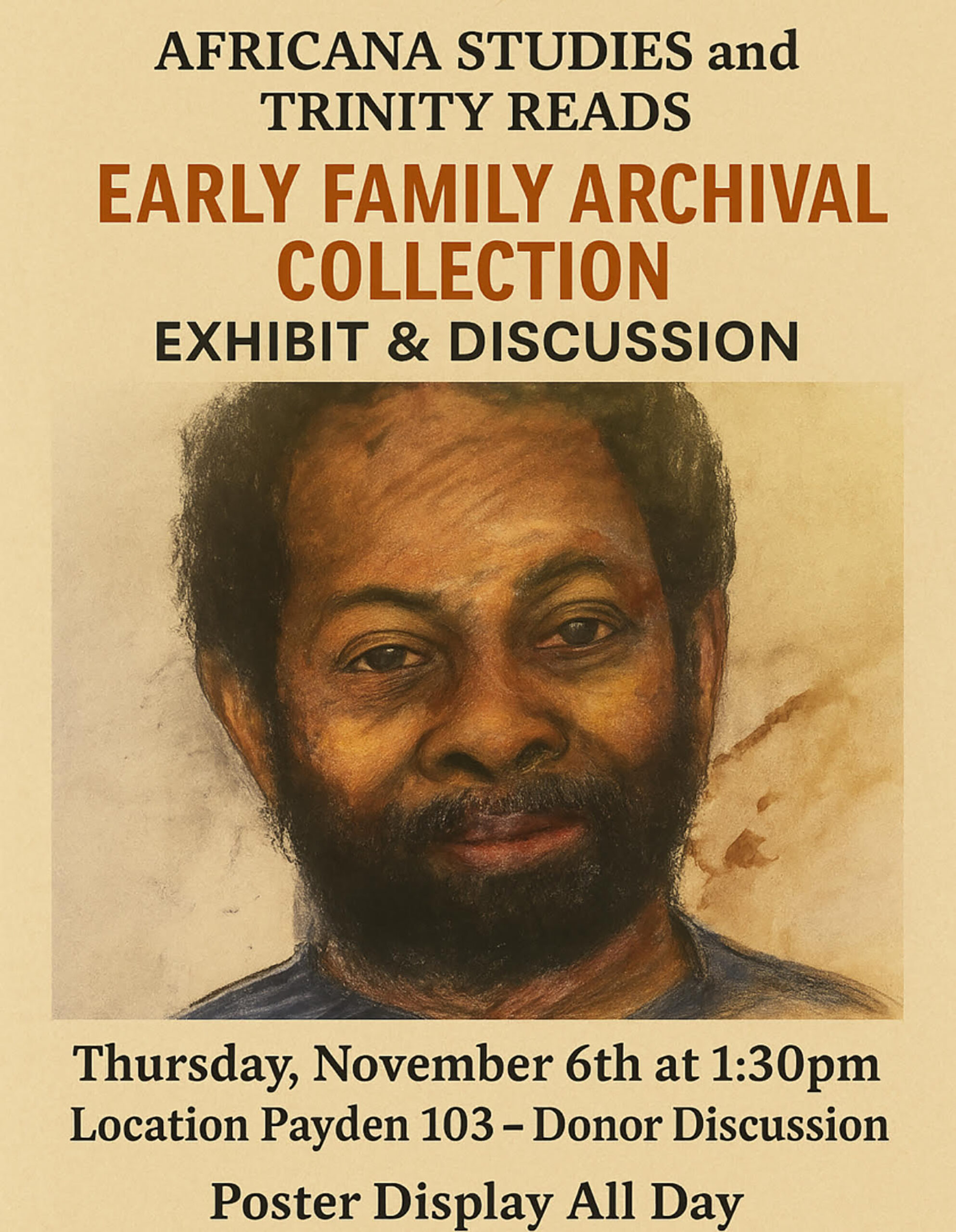
On Nov. 6 at 1:30 p.m., their work will come to life with the exhibit featured in the lobby of Trinity’s Payden Academic Center and a discussion of the work in the nearby lecture hall 103. The event will feature Early – a nationally recognized cultural historian, former Smithsonian folklorist and lifelong advocate for equity in the arts – whose latest donation of posters from his travels across the Caribbean, Latin America and the United States will be on display and fill the space with history and energy.
The exhibit will be moved to The Gallery on the second floor of the campus library following the Nov. 6 event.
Early calls the posters “visual roadways,” reflections of how people of African descent express identity and culture through art. The images, he said, trace the many paths of the African diaspora – connecting generations and communities through creative resistance and storytelling.
The exhibit builds on Early’s 2024 gift of Afro-Latin books written in Portuguese and Spanish, presented when the Africana Studies Reading Room first opened in Trinity’s Sister Helen Sheehan Library.
Kimberly Monroe, program chair for the Africana studies minor, designed the exhibit as part of a class assignment this semester. Students became curators for the Early Family Collection, selecting individual posters, researching their histories and crafting labels that combined academic insight with personal reflection.
According to Monroe, the experience allowed her students “to learn how art has been influential over time.”
For Ali, that influence felt immediate.
“This project helped me understand African work,” she told Trinity Times. When we think of art, we think of Roman and European art. Learning about African American people in ways that I never learned is very eye-opening.”
For both Ali and Kornegay, curating the exhibit was more than an academic exercise – it was an encounter with cultural identity. They spoke about recognizing art forms that predate them and discovering the shared language of creativity that connects generations across continents.
The African diaspora refers to communities of people of African descent living outside the African continent, connected by shared histories of displacement, resilience and cultural exchange.
Each poster and label tells part of that story – the shared histories, struggles and vibrant cultural life of the African diaspora. Together, they form a bridge connecting Afro-Cubans, Afro-Brazilians, Afro-Colombians and other communities of African descent through storytelling, art and activism.
As the Nov. 6 exhibit prepares to open, it stands as a reminder to students and faculty that the artwork on display not only celebrates the legacy of these artists but also serves as a living tool of resistance, preservation and pride.
Early, who will be the featured speaker at the opening, said he is eager to meet the students who brought his collection to life.
“It’s your time, it’s your world,” he said. “You’re the new cultural expressions. You’re the new sense makers, and I want to thank you for accepting the collection.”