By Genesis Bu-Chinchilla
Trinity Times Correspondent
Student life at Trinity Washington University is showing new vitality this academic year, with the 2025–26 term bringing a notable rise in participation in campus clubs and organizations.
Student involvement suffered during and after the COVID-19 pandemic, when the shift to remote classes disrupted in-person activities in 2020. In the semesters that followed, student clubs and organizations often struggled to attract participants to on-campus events.
That trend appears to be reversing. With an enthusiastic group of first-year students and a newly appointed student activities coordinator, energy on campus has noticeably increased. The change was evident during Trinity’s annual Student Clubs and Services Fair on Sept. 18 – an event designed to draw crowds and encourage student participation.
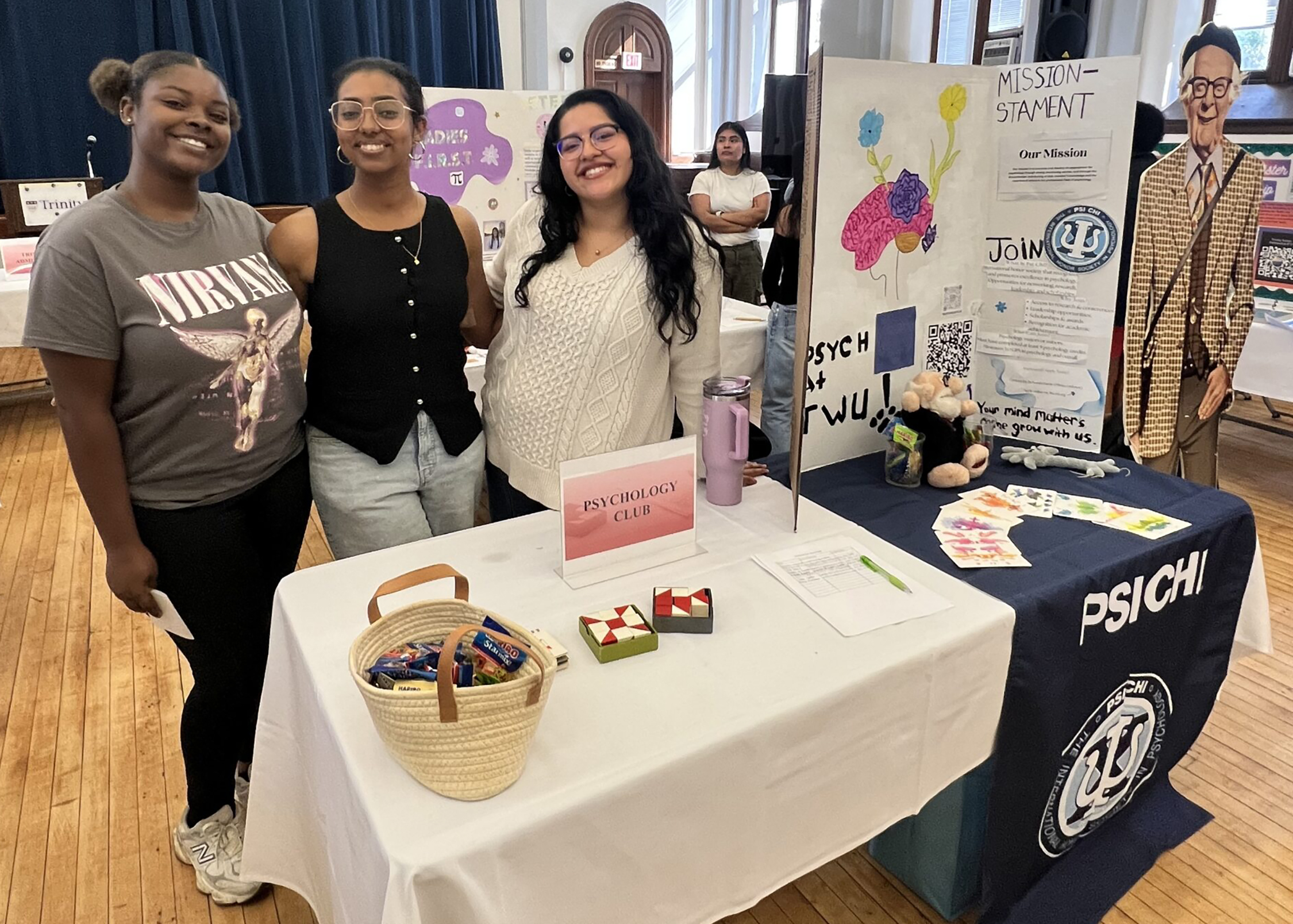
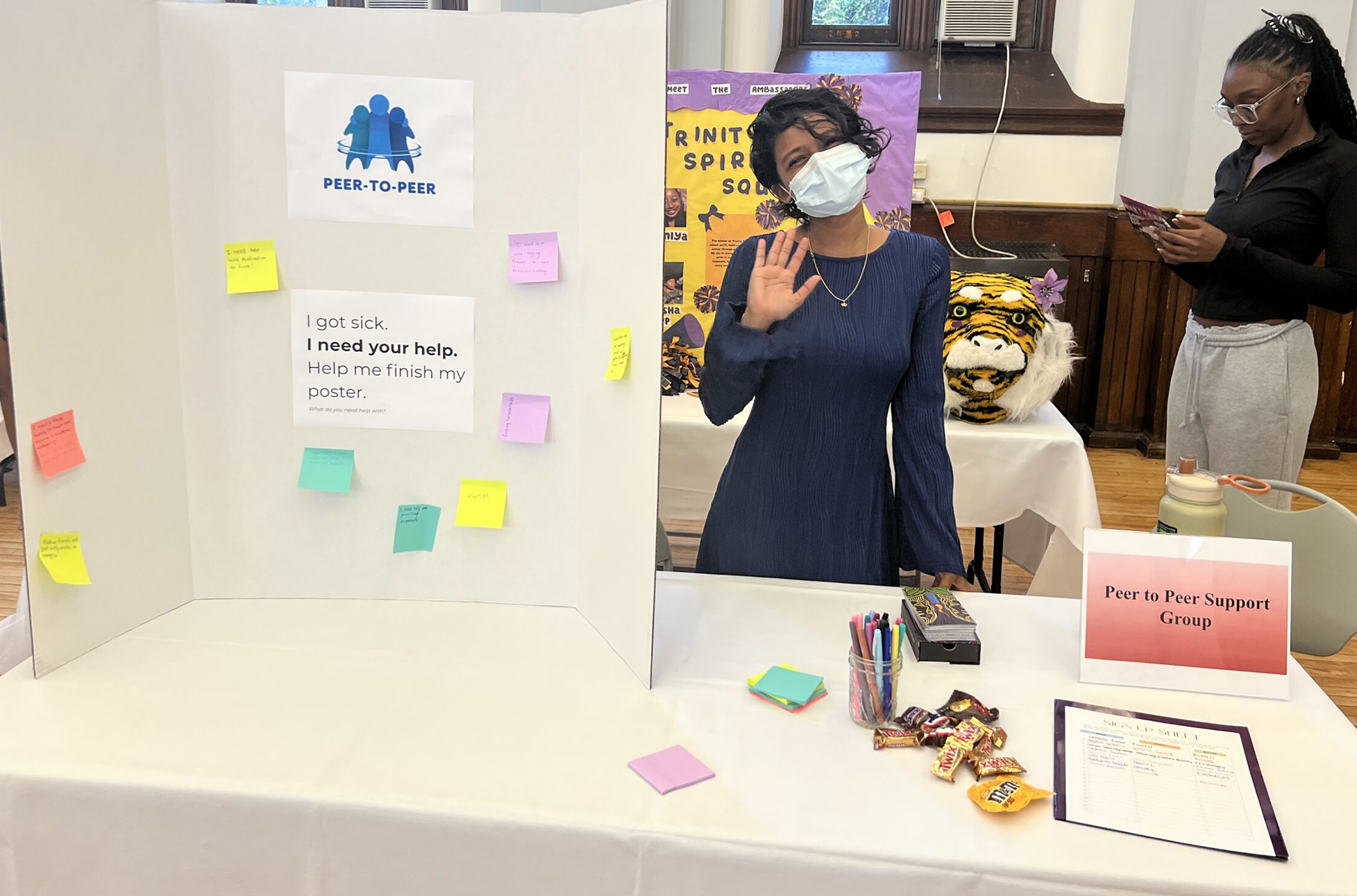
While turnout had lagged in previous years, this year’s fair felt different. Excitement buzzed through O’Connor Hall as conversations flowed among students, club presidents and administrators, all sensing a renewed spirit of engagement.
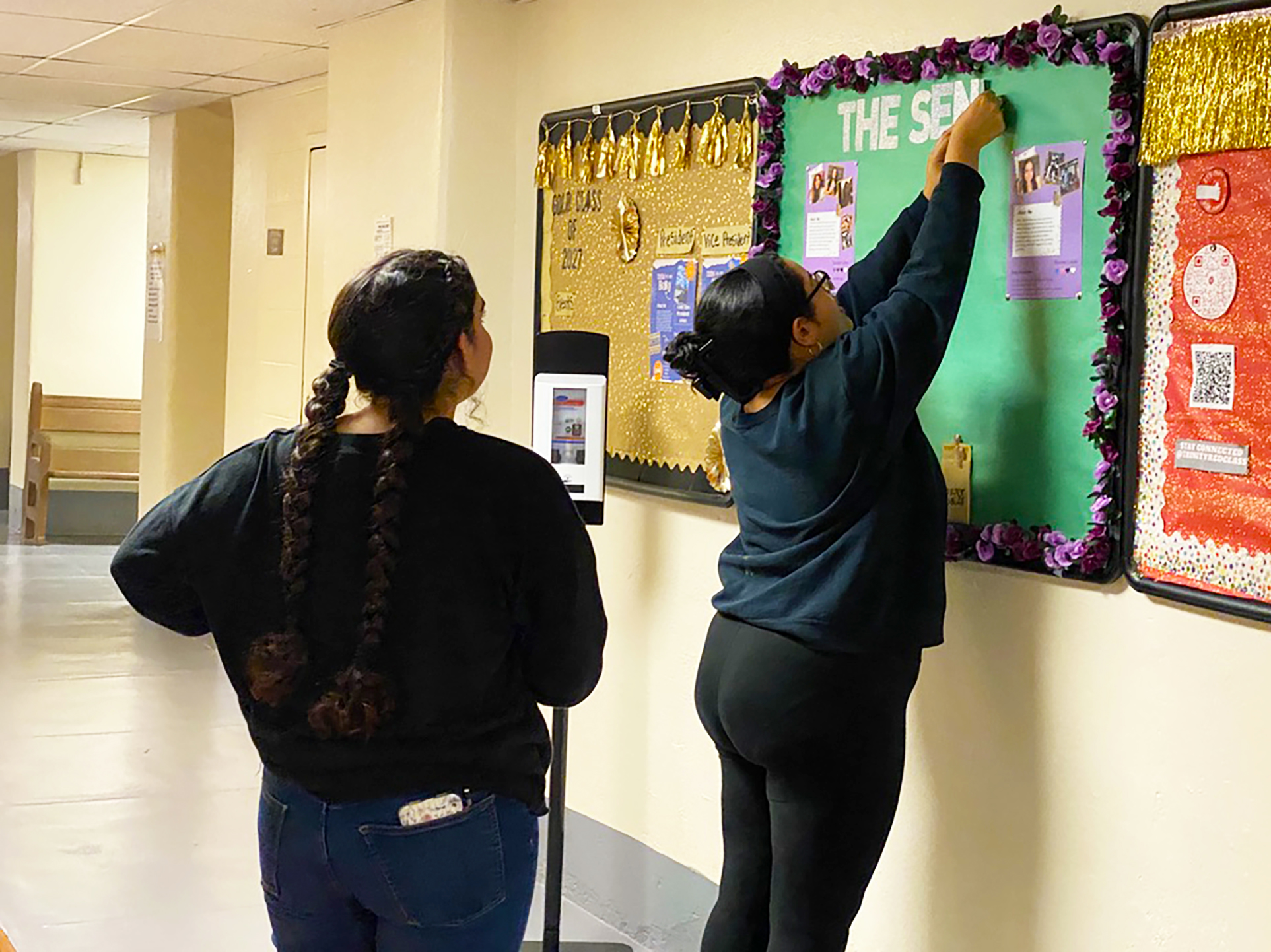
That enthusiasm is also visible on the student clubs and organizations bulletin boards in the basement of Main Hall, now filled with colorful flyers and announcements – far more than in recent years.
“I think I’ve definitely seen a big increase in students trying to connect with others,” said Karen Martinez-Nunez, a senior nursing major and president of the Nursing Nook Club, which aims to create a supportive, inclusive community for nursing and pre-nursing students to collaborate and share resources.
Campus life plays a vital role in a student’s academic, social, emotional and spiritual development, said Natalie Hernandez Ardon, Trinity’s new student activities coordinator.
Hernandez Ardon said taking part in student government, service projects or performance groups helps students develop leadership, teamwork and communication skills. Such experiences, she added, build confidence and encourage self-discovery beyond the classroom.
Martinez-Nunez, who commutes to campus, said she felt lonely and afraid during her first year at Trinity. Lacking a support system among her peers was daunting, but she soon found that engaging in student events and connecting with classmates in her major was key to building community.
“At first, I was super shy because I was like, I don’t know how people are going to react,” she said. “But after stepping out of my comfort zone and really talking to the women here, it [was] super encouraging, super uplifting. Whenever I have questions or doubts, whether that’s regarding academics or my personal life, I know I have a community who I can turn to.”
While Martinez-Nunez took that first step, many students – especially commuters – still struggle to find their place on campus.
“I usually don’t attend [events],” said Jae Lowe, a 21-year-old sophomore psychology major and commuter student. “I find out about them last minute, so there’s no time, and they usually don’t necessarily interest me.”
Balancing academics, personal responsibilities and commuting time makes event planning and communication especially important.
“If you’re planning to do an event, at least give us two- or three-weeks’ notice,” Lowe said. “People have stuff planned already. If you tell them the day before, they’re not going to go.”
That disconnect between event planning and student awareness is a common theme among commuter students. Still, this year’s club fair offered a chance for many to re-engage, said Corrine Evans, a first-year commuter student who admitted she typically avoids campus events because she feels like an outsider.
“A lot of people who attend campus events know each other,” Evans said. “I really just come here, go to class and go home.”
But the fair changed her perspective. “It was a very open [environment],” she said. “Whatever questions you had, they answered – even if it wasn’t the answer you wanted to hear. They made it very encouraging, basically.”
The increase in participation at this year’s fair has not gone unnoticed by university leadership.
“I can’t speak about past years because I just got here a few months ago, but currently I am seeing a lot of student engagement on my end for activities,” Hernandez Ardon said.
She added that this wave of student participation is paving the way for more intentional events and collaborations between administrators and student clubs.
Hernandez Ardon said campus life also exposes students to people from different backgrounds, beliefs and perspectives. That kind of interaction, she said, broadens worldviews and encourages empathy, critical thinking and cultural competence – qualities essential in today’s interconnected world.
She said she is an advocate for events that promote opportunities and has encouraged clubs to host more activities that are resourceful and connect students to their communities or academic fields.
Hernandez Ardon also emphasized that involvement goes beyond fun – it enriches the university experience and can open doors professionally. She said engagement in campus activities often complements academic learning, helping students build time management, organization and collaboration skills that employers value. Many campus organizations also provide networking opportunities and pathways to internships or career development.
“If you stay at home and don’t engage in a lot of the activities we’re having, especially those that are educational or connect students to opportunities, you won’t find what you’re looking for,” she said. “Attending these events might be where you find a job, an internship or the next step in your journey.”
Martinez-Nunez shared similar advice.
“Don’t be afraid to step out of your comfort zone,” she said. “Meet new people. I know sometimes it can be a little nerve-wracking because, again, you might not know anyone, but once you actually step out of your comfort zone and take that leap of faith, then you’ll see different changes happening in your life as well. You get to connect with a lot of different people from different backgrounds.”
That courage and willingness to engage, Martinez-Nunez said, continues to spark meaningful connections and growth throughout the Trinity campus community.